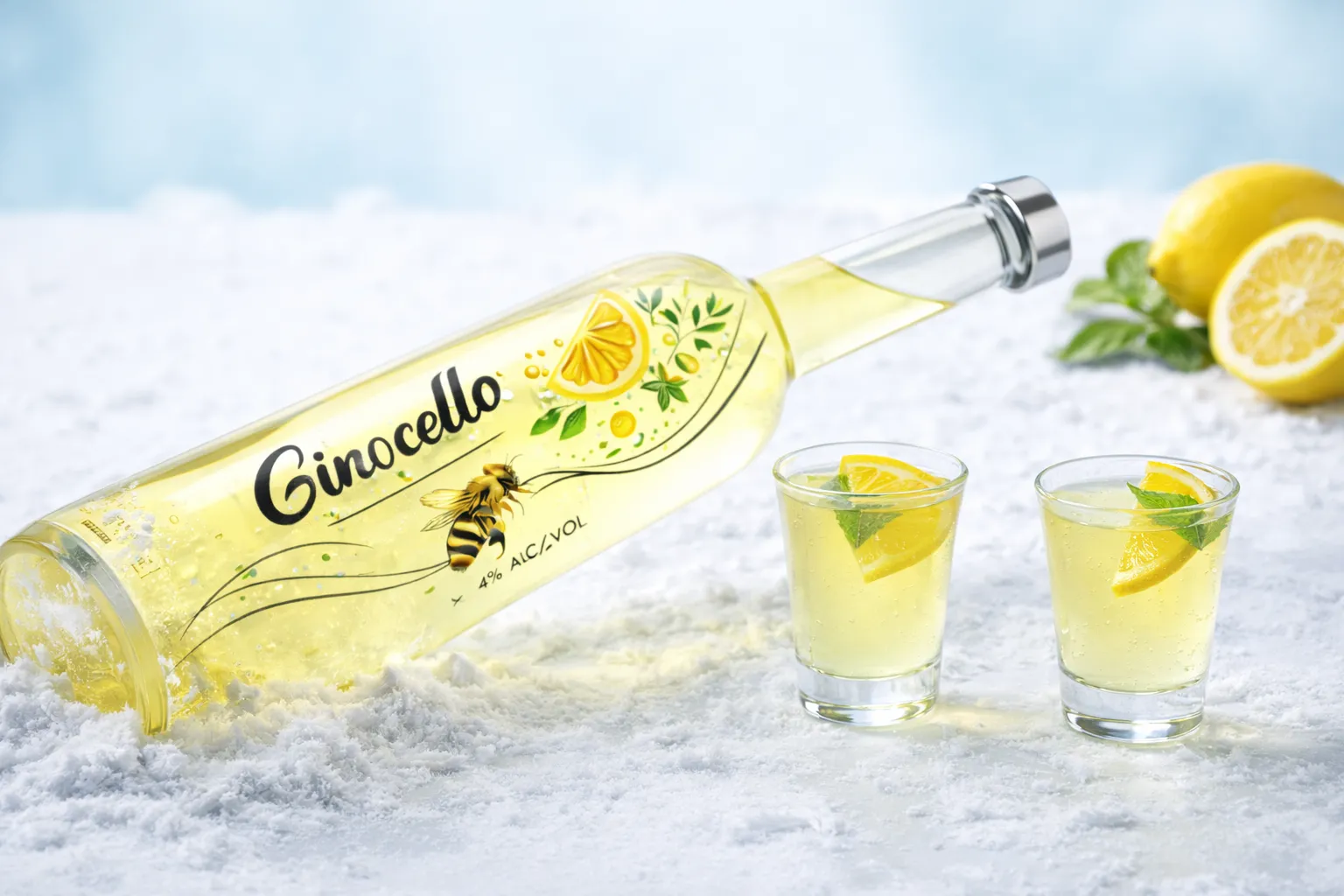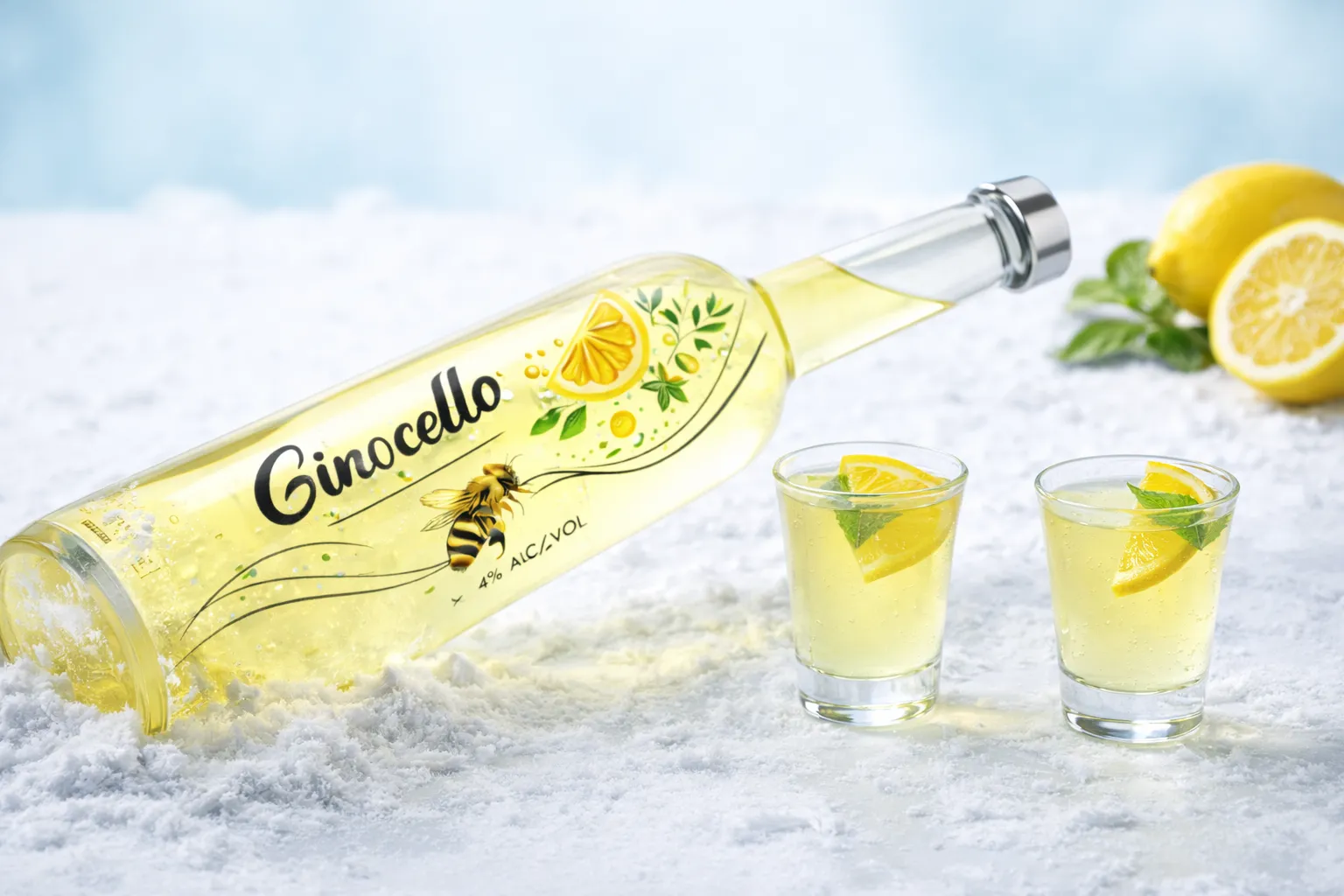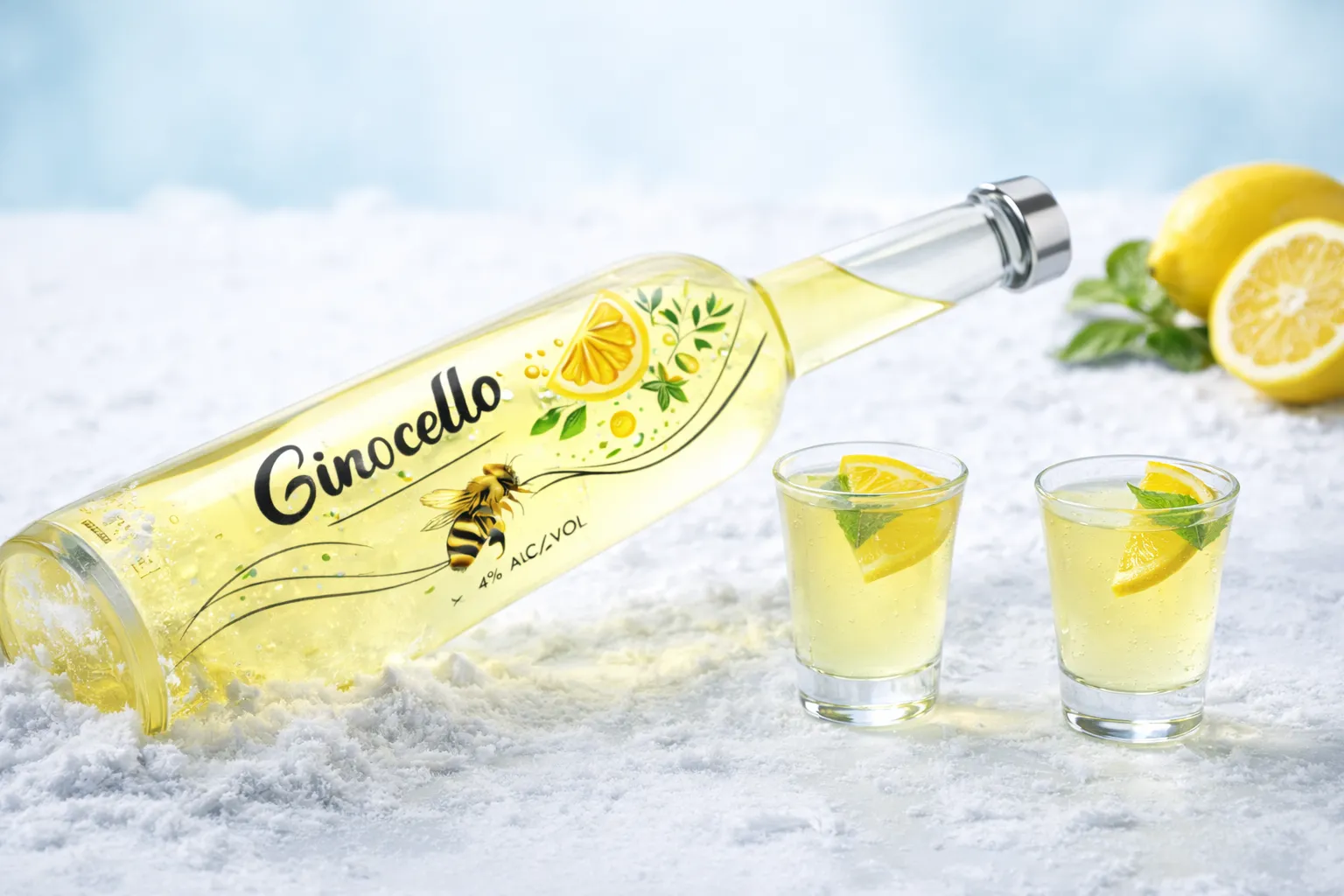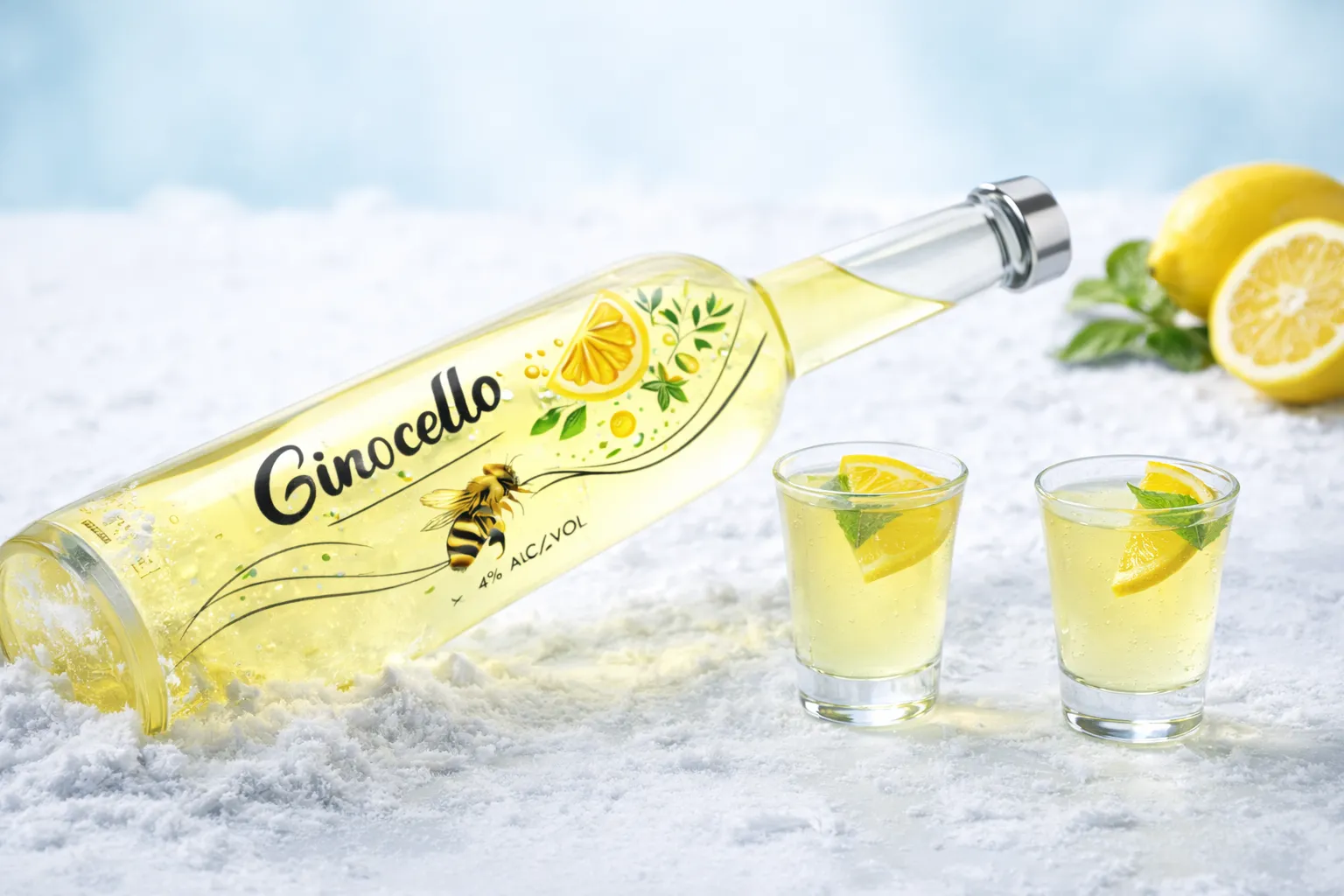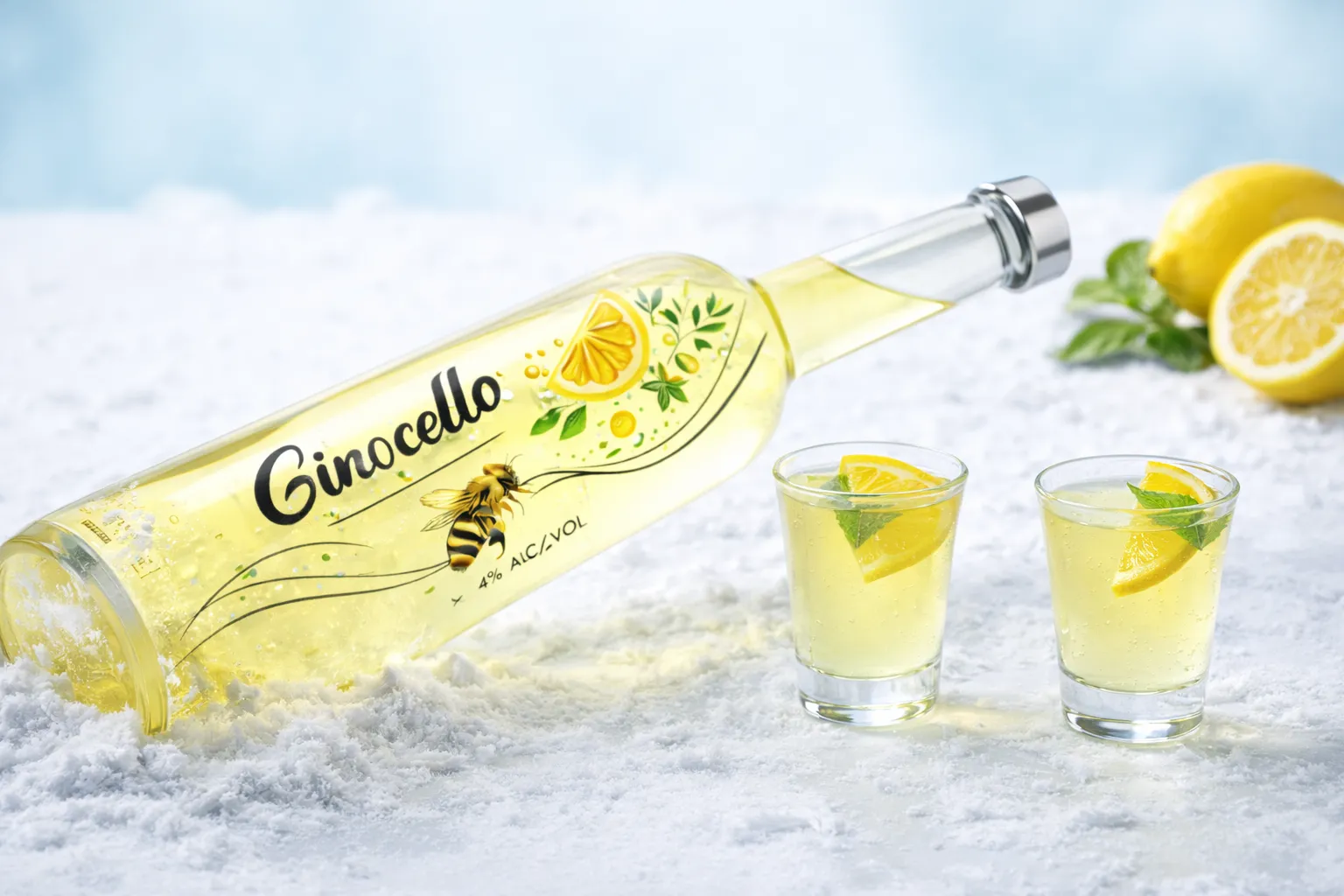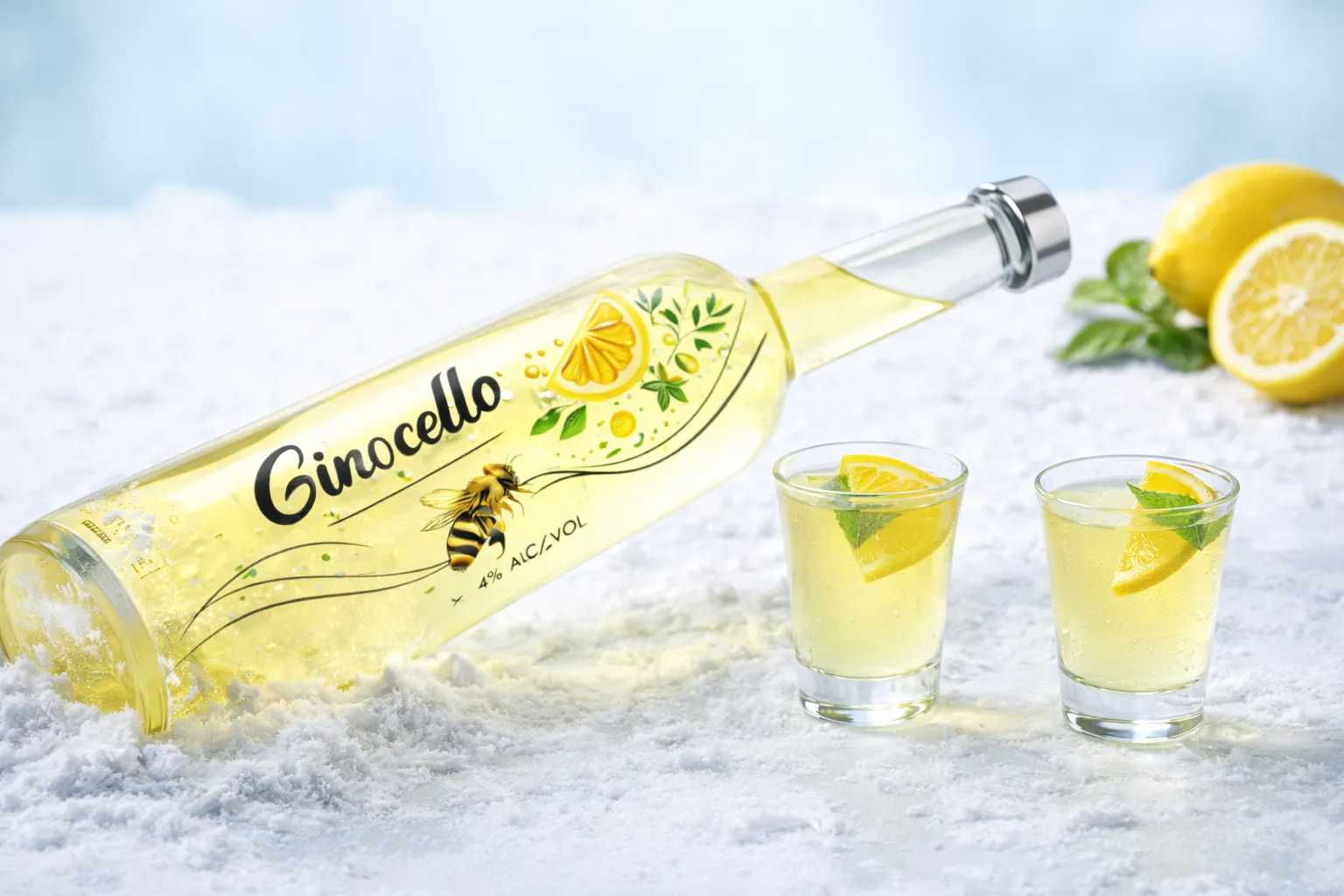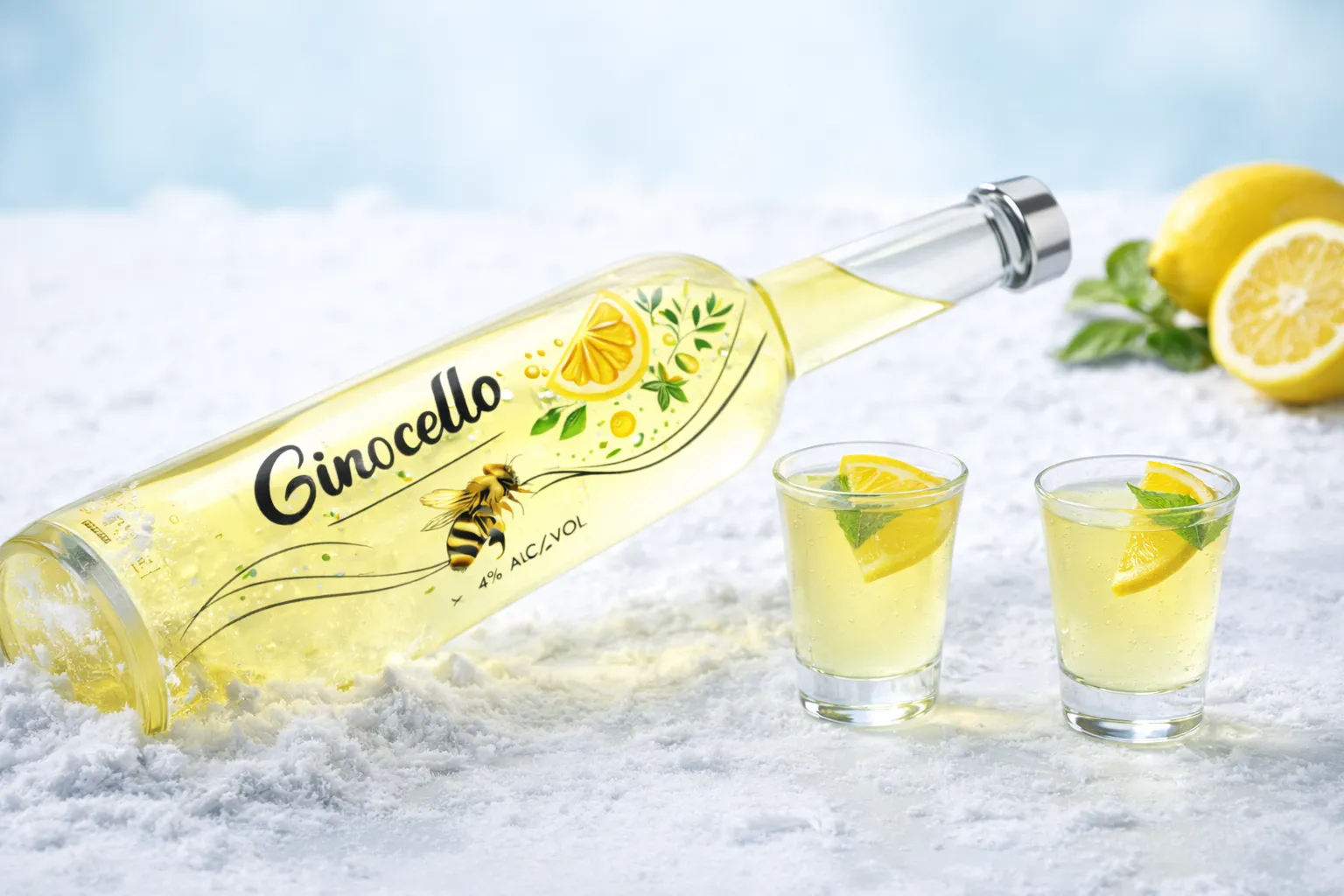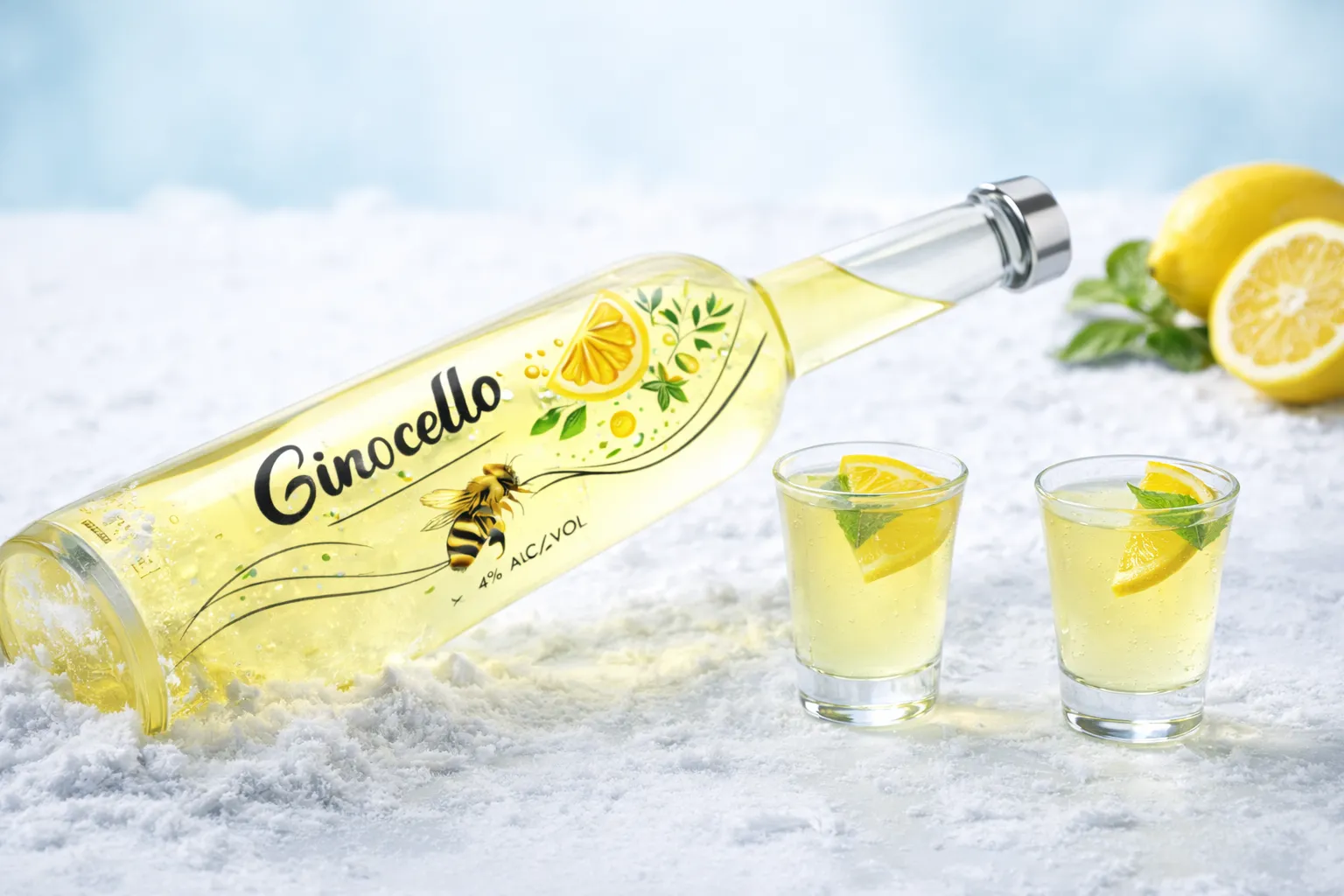



Can You Freeze Ginocello? Understanding Temperature, Texture, and the Right Way to Serve a Premium Gin-Based Citrus Digestif
The short answer is no — Ginocello should not be frozen.
While Ginocello — the premium gin-based citrus digestif — is best enjoyed cold, freezing it dulls the very qualities that define its balance, aroma, and finish. Ginocello is crafted to express citrus brightness, botanical structure, and a composed finish, all of which are muted by excessive cold.
Freezing Ginocello is not dangerous or harmful — but it is not recommended if you want to experience the spirit as intended.
Understanding why freezing is discouraged requires a closer look at how temperature affects flavour, texture, aroma, and the ritual of the serve.
? Why Temperature Matters With Ginocello
Temperature plays a decisive role in how a spirit behaves.
-
Too warm, and alcohol can dominate
-
Too cold, and flavour expression disappears
Ginocello is designed to sit in a refined middle ground, where chilling enhances balance without erasing nuance.
Freezing crosses that threshold.
Ginocello is chilled to refine — not frozen to numb.
? Why Freezing Ginocello Is Not Ideal
When Ginocello is frozen or near-frozen, several defining characteristics are suppressed.
Loss of Aroma
Citrus oils and botanical aromatics become muted at very low temperatures. These are essential to Ginocello’s identity and are among the first qualities to disappear when frozen.
Reduced Botanical Expression
Ginocello’s gin base provides subtle structure and dryness. Freezing flattens this botanical framework, making the spirit feel one-dimensional.
Flattened Texture
Ginocello is designed to feel smooth, rounded, and composed. Freezing tightens the liquid, reducing mouthfeel and softening the progression of flavours.
A Shortened Finish
The finish is where Ginocello shines. Frozen temperatures truncate this final moment, preventing the citrus and botanicals from lingering gracefully.
Ginocello is meant to be savoury, not silent.
? Cold vs Frozen: An Important Distinction
Ginocello benefits from being cold — but cold and frozen are not the same thing.
Chilling
-
Preserves aroma
-
Enhances balance
-
Refines texture
-
Allows flavours to evolve in the glass
Freezing
-
Suppresses aroma
-
Mutes citrus brightness
-
Flattens complexity
-
Interrupts the finish
Ginocello belongs firmly in the first category.
? Why Ginocello Is Designed to Evolve in the Glass
One of the defining pleasures of Ginocello is how it changes as it rests.
When served over ice or lightly chilled:
-
Citrus opens gradually
-
Botanicals soften and integrate
-
Sweetness becomes more restrained
-
The finish lengthens
This controlled evolution is part of the ritual. Freezing removes this progression entirely, locking the spirit into a static state.
Ginocello is not meant to be frozen in time.
? Alcohol Content and Freezing
With an alcohol content of 22% ABV, Ginocello may not fully freeze solid in a standard domestic freezer. However, this does not make freezing suitable.
Partial freezing can still:
-
Suppress flavour compounds
-
Alter texture
-
Reduce aromatic lift
Even if the liquid remains pourable, the experience is compromised.
Freezing affects perception, not safety — and perception is everything in a premium digestif.
? The Role of Citrus Oils in Freezing
Citrus oils are especially sensitive to temperature.
At frozen or near-frozen levels:
-
Aromatics remain trapped in the liquid
-
Brightness becomes muted
-
Freshness feels dulled
Ginocello relies on citrus oils to deliver lift and clarity. Freezing prevents these oils from expressing themselves properly.
This is why chilling is preferred over freezing.
? Why Some Citrus Spirits Are Frozen — and Why Ginocello Is Different
Some traditional citrus spirits are routinely frozen because:
-
They rely heavily on sugar
-
Sweetness dominates aroma
-
Texture is meant to feel thick
Ginocello is different.
As a gin-based citrus digestif, Ginocello prioritises:
-
Balance over sweetness
-
Structure over viscosity
-
Aroma over intensity
Freezing may suit heavily sweetened spirits, but it works against Ginocello’s philosophy of restraint and clarity.
? The Best Way to Chill Ginocello
Instead of freezing, Ginocello should be chilled in one of the following ways:
1. Served Over Ice
The most elegant and recommended method.
-
Gently chills the spirit
-
Allows gradual dilution
-
Encourages slow sipping
2. Refrigerated Before Serving
Ideal when:
-
You prefer no ice
-
You want it ready for tableside service
-
You enjoy a cleaner, more direct expression
3. Lightly Chilled Briefly
A short chill before serving is sufficient — long enough to cool, not long enough to mute.
Each of these methods respects Ginocello’s design.
? Why Ice Is Preferable to Freezing
Ice cools Ginocello dynamically.
As the ice melts:
-
Flavour opens
-
Texture softens
-
Balance evolves
This gradual change is part of what makes Ginocello engaging to drink. Freezing eliminates this movement entirely.
Ice introduces time — freezing removes it.
? Can You Freeze Ginocello by Accident?
If Ginocello has been placed in a freezer accidentally:
-
Allow it to return to refrigerator temperature
-
Let it rest briefly in the glass
-
Aroma and balance will recover partially
The spirit is not ruined — but it is always best enjoyed cold, not frozen.
? Freezing and the Digestif Experience
As a digestif, Ginocello is meant to:
-
Conclude a meal gently
-
Refresh without shock
-
Extend conversation
Freezing works against these goals by creating numbness rather than resolution.
A digestif should settle the evening, not interrupt it.
? Freezing in Hospitality Settings
In professional hospitality environments, freezing Ginocello is discouraged.
Freezing:
-
Disrupts consistency
-
Reduces aromatic expression
-
Undermines premium service standards
Instead, refrigeration or ice-based service preserves elegance and control.
? Can You Freeze Ginocello? At a Glance
-
Freezing recommended: No
-
Serving cold: Yes
-
Best method: Over ice or lightly chilled
-
Why not freeze: Loss of aroma, texture, and balance
-
Category: Premium gin-based citrus digestif
? Cold With Control
Ginocello is chilled to refine, not to overwhelm.
Served cold — but never frozen — Ginocello — the premium gin-based citrus digestif — delivers a clean citrus finish that remains expressive, composed, and true to its craft.
Chilled with care.
Served with intention.
Finished beautifully.
? The Finish
Ginocello exists for the finish — when the meal settles, conversation deepens, and nothing more is needed.
A controlled chill.
A composed close.
A premium serve.
Ginocello — the premium gin-based citrus digestif.