
Champagne vs Ginocello Sparkling: What’s the Difference and Which Should You Choose?
Sparkling drinks are synonymous with celebration, social occasions, and moments worth savouring. In England, Champagne has long been the traditional choice for toasts and milestones. More recently, however, modern alternatives such as Ginocello Sparkling have emerged, offering a fresh, flavour-led take on sparkling drinking.
Although both are enjoyed in similar settings, Champagne and Ginocello Sparkling are fundamentally different drinks. They differ in how they are made, how they taste, how they are served, and what kind of experience they offer.
This article explores Champagne vs Ginocello Sparkling in depth, helping you understand the differences and decide which suits your occasion, taste, and drinking style.
Understanding Champagne
What Is Champagne?
Champagne is a sparkling wine produced using fermented grapes. It is known for its fine bubbles, crisp acidity, and association with luxury and celebration. Champagne has a long-established reputation and is often seen as the benchmark for sparkling drinks.
While many sparkling wines exist, Champagne is typically positioned as a premium option due to its production methods, heritage, and image.
How Champagne Is Made
Champagne is produced through a fermentation process in which grape sugars are converted into alcohol. Carbonation is created naturally during fermentation, resulting in its signature effervescence.
Because it is wine-based, Champagne has:
-
Natural acidity
-
Dry to very dry profiles
-
Subtle fruit and yeast characteristics
These elements give Champagne its distinctive taste and structure.
Alcohol Content of Champagne
Most Champagne sits between:
-
12% and 12.5% ABV
This places Champagne firmly in the wine category, making it lighter in alcohol than spirits but stronger than many beers.
Taste Profile of Champagne
Champagne is often described as:
-
Crisp
-
Dry
-
Refreshing
-
Lightly fruity
-
Elegant
It prioritises freshness and structure rather than sweetness or bold flavour intensity.
How Champagne Is Commonly Served
Champagne is usually served:
-
Well chilled
-
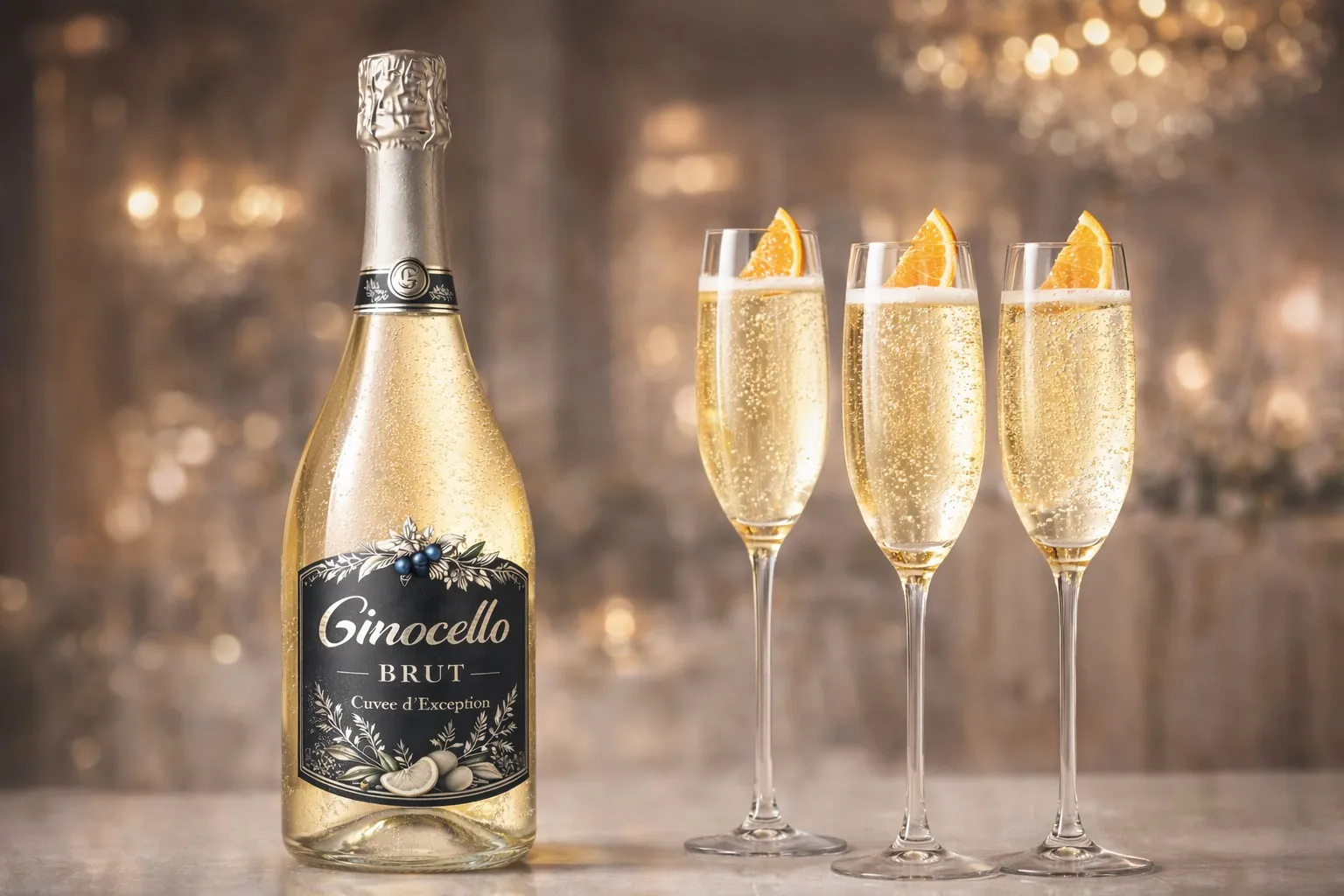
In a flute or coupe
-
On its own, as a toast or celebratory drink
It is less commonly mixed, as it is often enjoyed for its purity and simplicity.
Understanding Ginocello Sparkling
What Is Ginocello Sparkling?
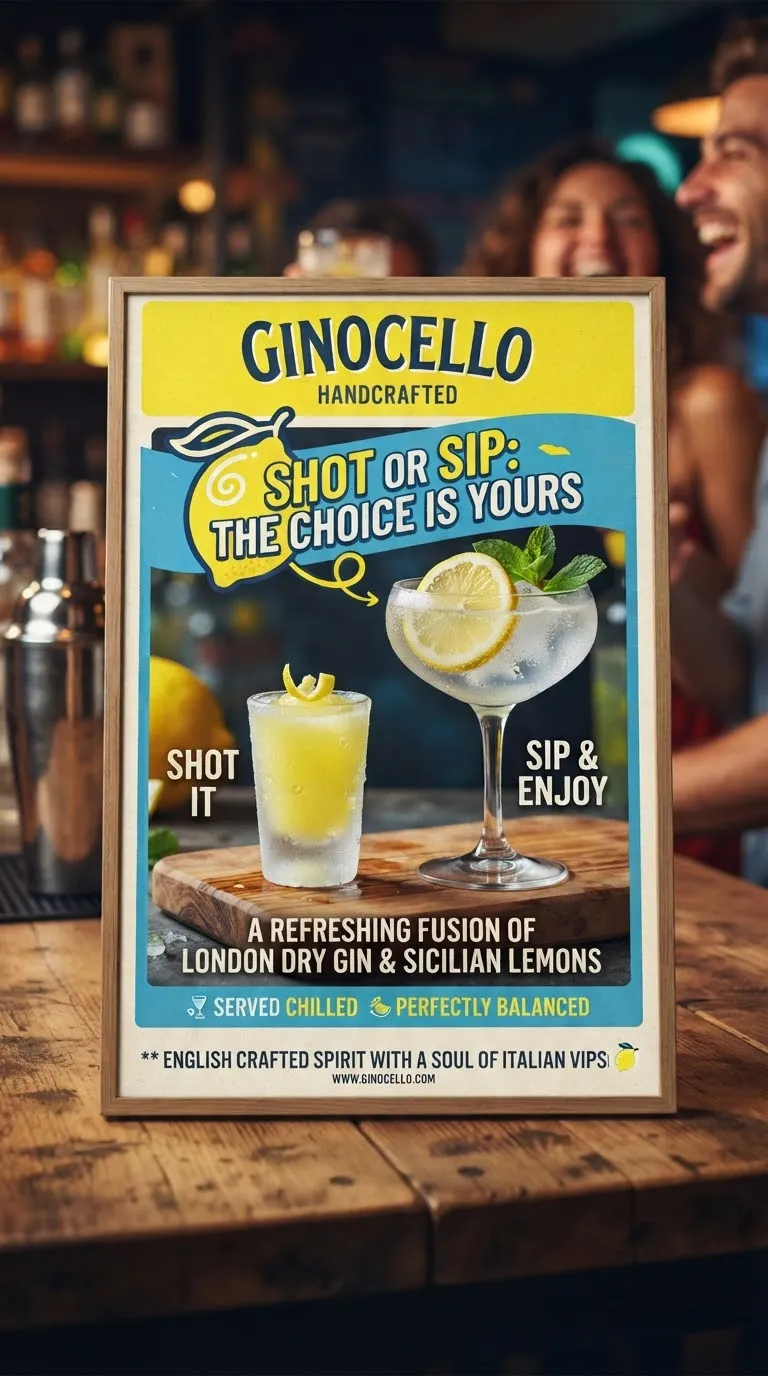
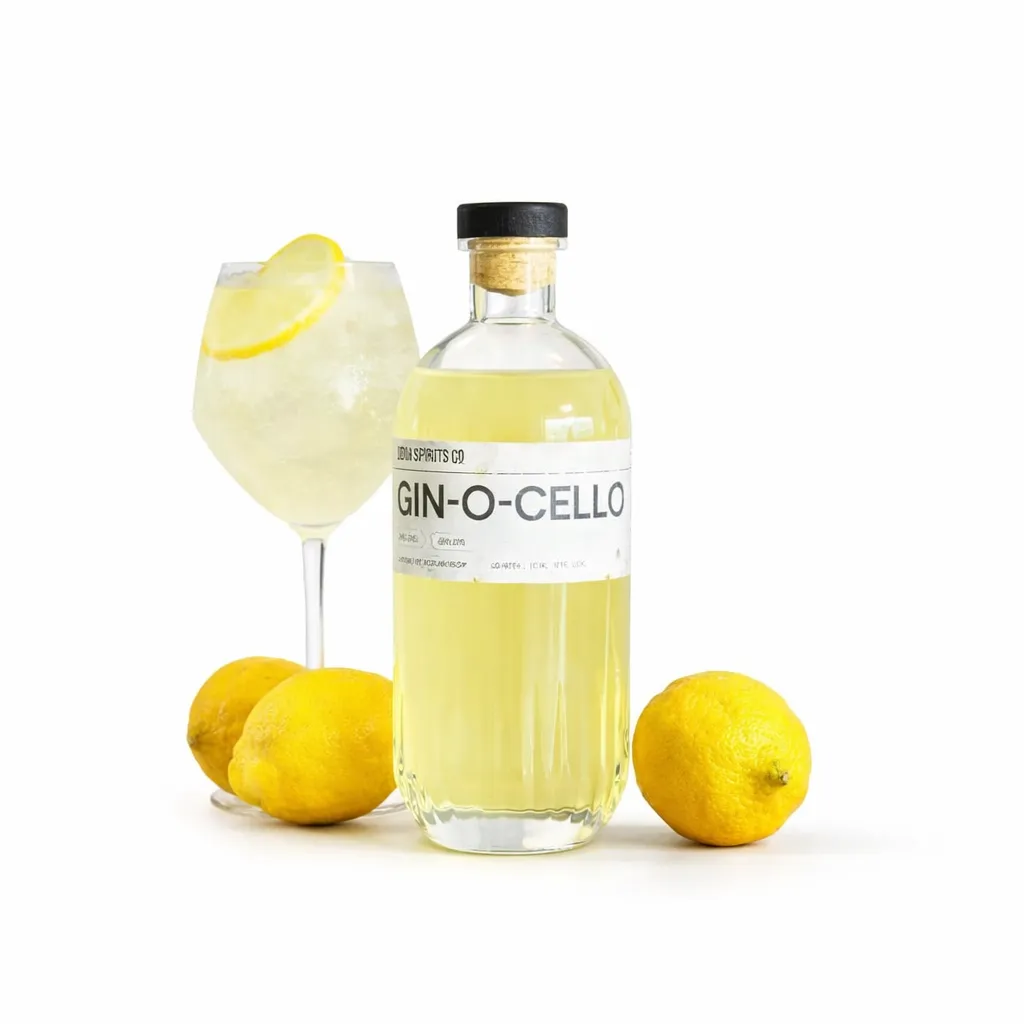
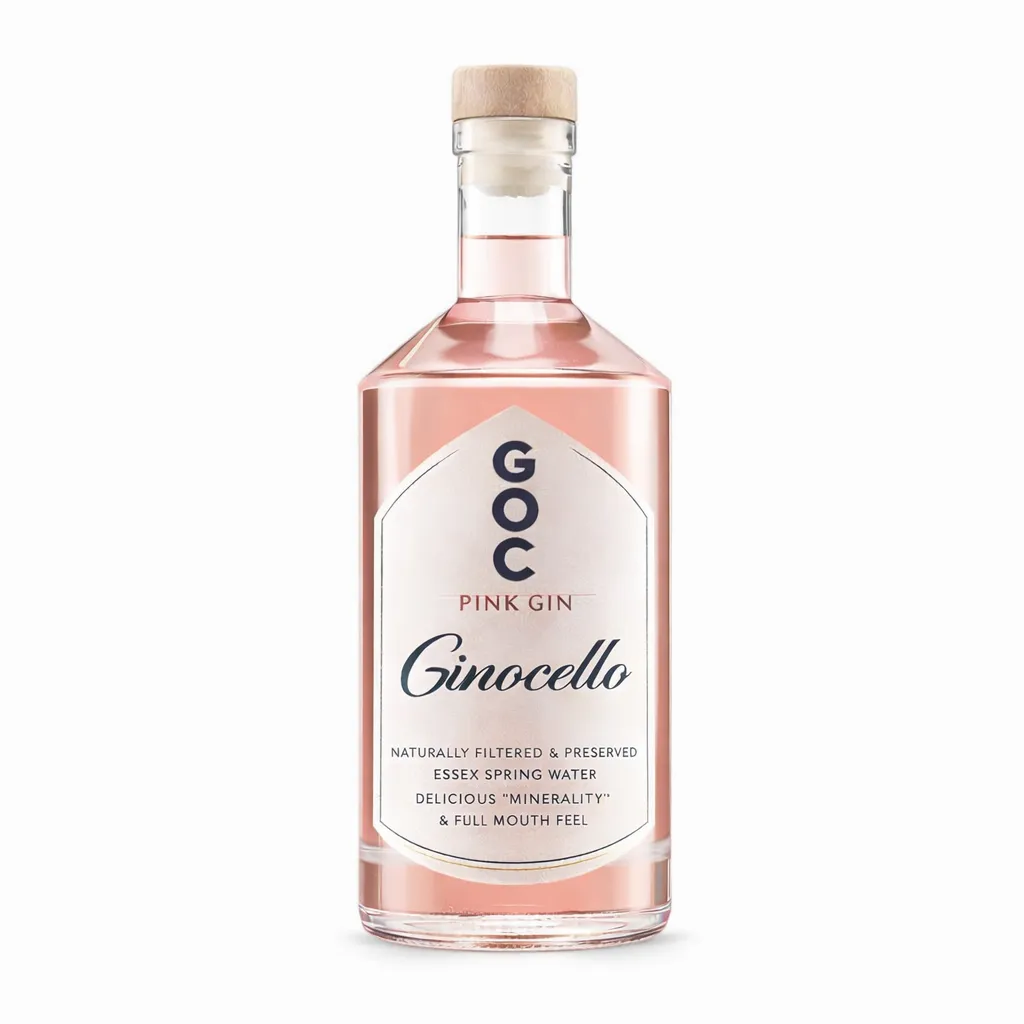
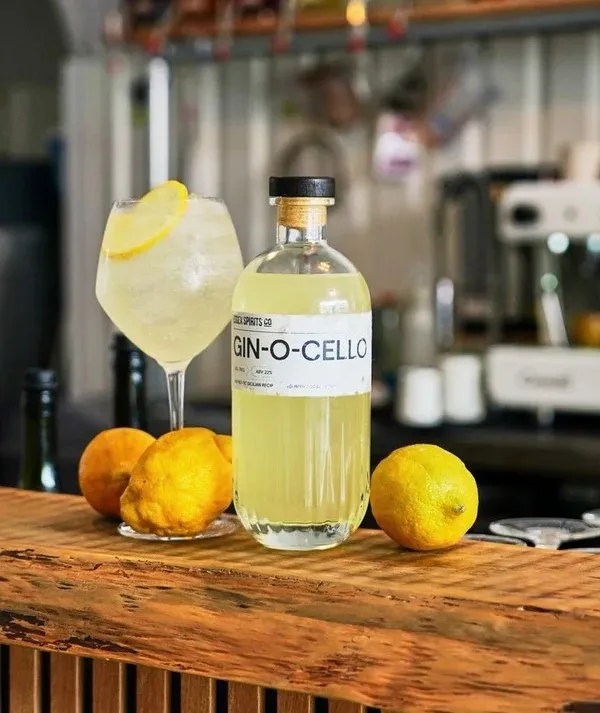
Ginocello Sparkling is a sparkling, gin-based citrus drink that combines the botanical character of gin with bright citrus flavours and gentle sweetness, finished with carbonation.
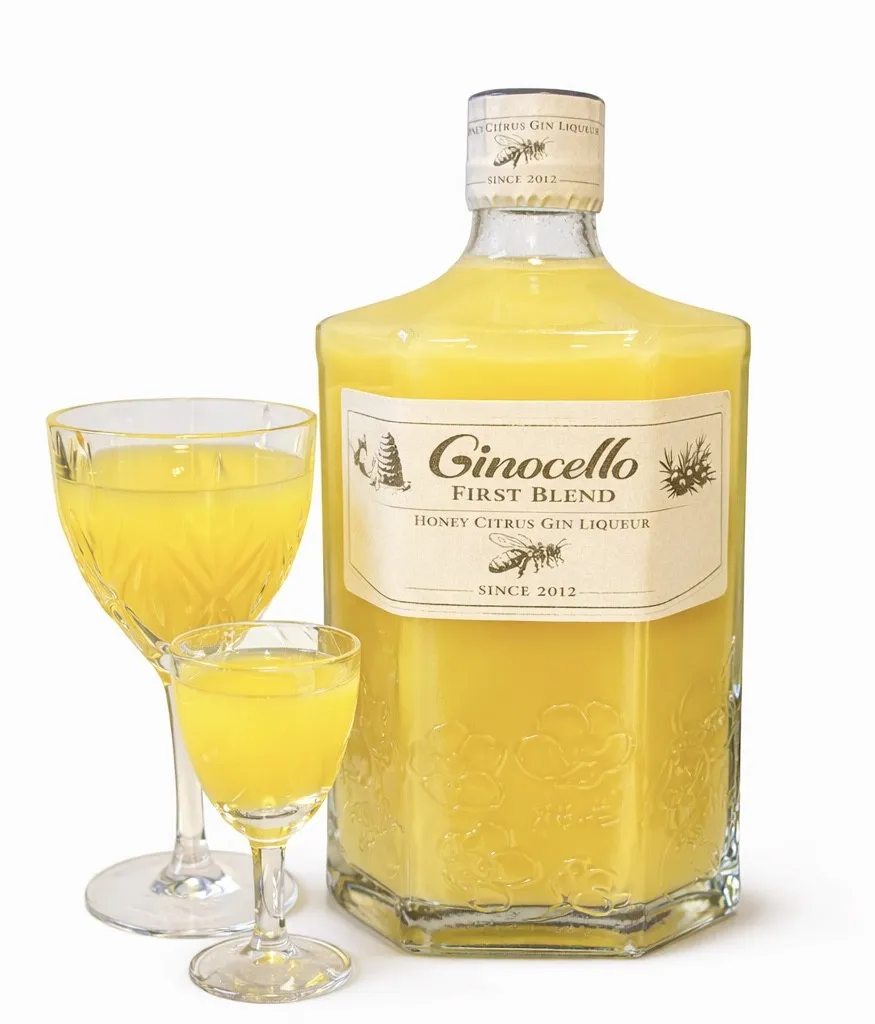
Unlike Champagne, Ginocello Sparkling is spirit-based rather than wine-based. It builds on the flavour profile of Ginocello — a citrus-led gin liqueur — and adds sparkle for freshness and lift.
The result is a modern, flavour-forward sparkling drink designed for relaxed celebrations and social occasions.
What Makes Ginocello Sparkling Different?
Ginocello Sparkling is characterised by:
-
A gin or botanical spirit base
-
Citrus notes such as lemon and orange
-
Gentle sweetness
-
A smooth mouthfeel
-
Light carbonation
Rather than relying on acidity like Champagne, Ginocello Sparkling focuses on balance and flavour.
Alcohol Content of Ginocello Sparkling
Ginocello Sparkling typically sits between:
-
8% and 12% ABV (depending on style and dilution)
This can make it comparable to, or even lighter than, Champagne in terms of alcohol strength, while offering a very different flavour experience.
Taste Profile of Ginocello Sparkling
Ginocello Sparkling is commonly described as:
-
Citrus-forward
-
Smooth
-
Gently sweet
-
Aromatic
-
Lightly botanical
It delivers more immediate flavour impact than Champagne while remaining refreshing.
How Ginocello Sparkling Is Served
Ginocello Sparkling is often served:
-
Well chilled
-
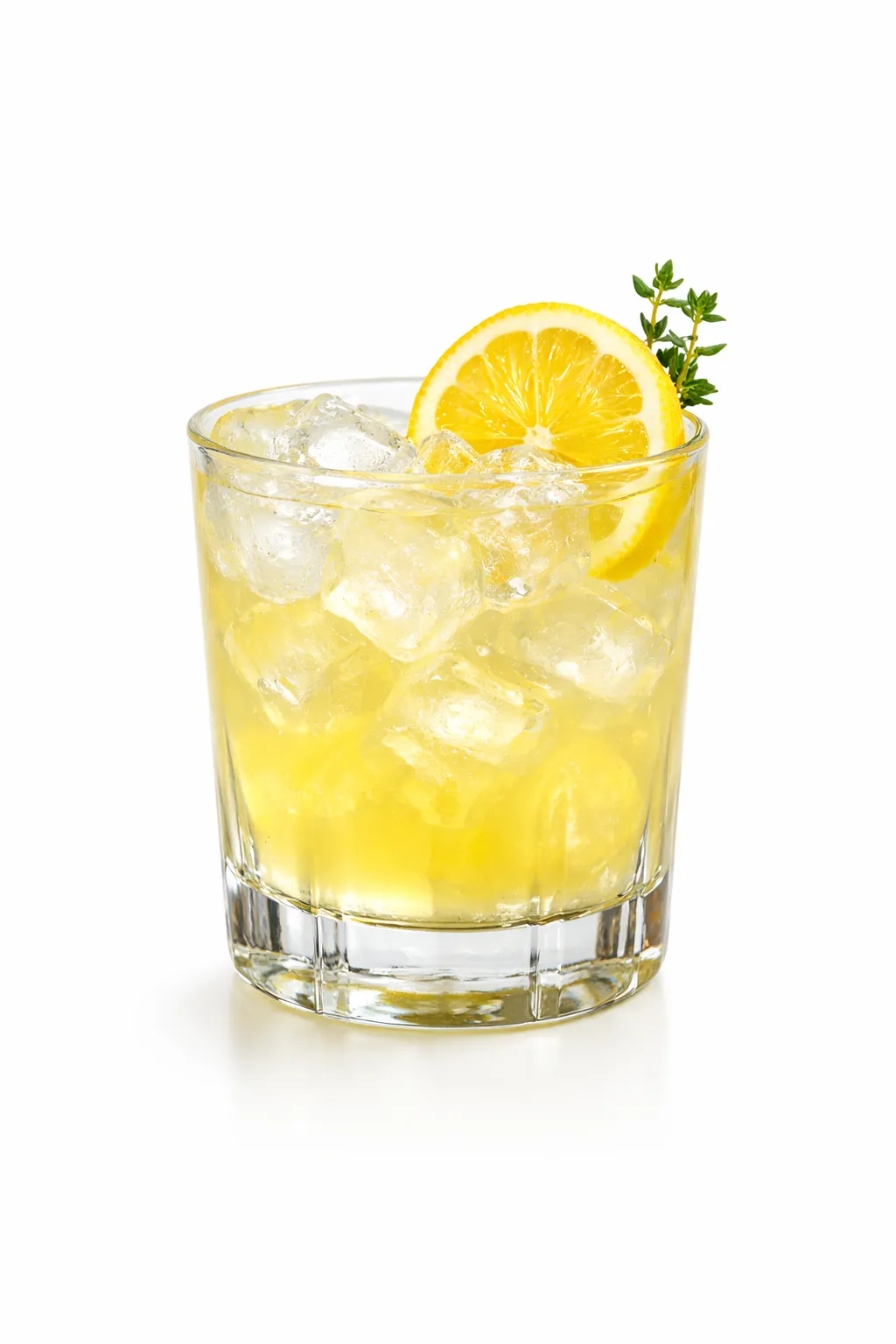
In a wine glass or coupe
-
Garnished with citrus
It can be enjoyed on its own or as part of a light sparkling serve.
Champagne vs Ginocello Sparkling: Key Differences
Base Ingredient
-
Champagne: Made from fermented grapes (wine)
-
Ginocello Sparkling: Made from gin or grain spirit with citrus and botanicals
This is the most fundamental difference between the two.
Alcohol Strength
-
Champagne: ~12–12.5% ABV
-
Ginocello Sparkling: ~8–12% ABV (varies by style)
Ginocello Sparkling can be similar or slightly lighter in alcohol, depending on the product.
Flavour Style
-
Champagne: Crisp, dry, subtle
-
Ginocello Sparkling: Citrus-led, aromatic, gently sweet
Champagne focuses on freshness and structure, while Ginocello Sparkling focuses on flavour and approachability.
Sweetness
-
Champagne: Usually dry
-
Ginocello Sparkling: Balanced sweetness
Ginocello Sparkling appeals to drinkers who prefer a softer taste profile.
Complexity vs Accessibility
-
Champagne: Complex, refined, traditional
-
Ginocello Sparkling: Expressive, modern, easy-drinking
Both offer quality, but in different ways.
Occasion: When to Choose Champagne
Champagne is often chosen for:
-
Formal celebrations
-
Weddings
-
Toasts and milestones
-
Traditional events
It carries strong symbolic value and is closely associated with prestige and ceremony.
Occasion: When to Choose Ginocello Sparkling
Ginocello Sparkling is ideal for:
-
Informal celebrations
-
Garden parties
-
Social gatherings
-
Aperitif moments
It offers a relaxed, contemporary alternative to traditional sparkling wine.
Champagne vs Ginocello Sparkling for Food Pairing
Champagne Pairings
-
Seafood
-
Light canapés
-
Salty snacks
-
Oysters
Its acidity complements delicate foods.
Ginocello Sparkling Pairings
-
Cheese boards
-
Light desserts
-
Citrus-based dishes
-
Pre-dinner snacks
Its citrus and botanical notes work well as a palate opener.
Champagne vs Ginocello Sparkling for Cocktails
Champagne is rarely mixed beyond simple additions, as it is often enjoyed on its own.
Ginocello Sparkling, however, can:
-
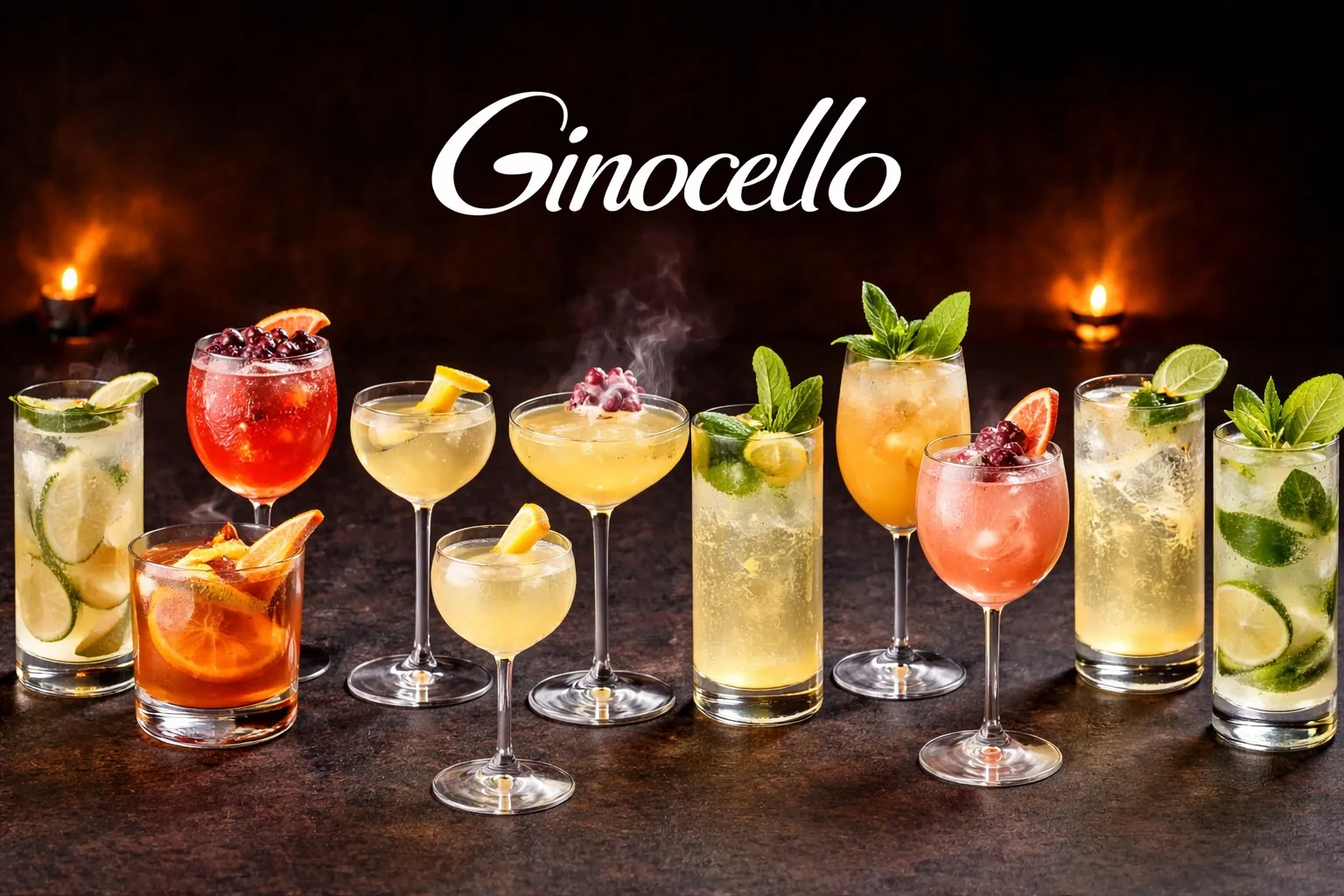
Replace sparkling wine in spritz-style drinks
-
Act as a flavour base rather than just bubbles
-
Offer flexibility for creative serves
This makes Ginocello Sparkling more versatile for modern menus.
Popularity and Trends in England
In England, consumer preferences are shifting toward:
-
Lower-ABV options
-
Flavour-led drinks
-
Versatile social serves
While Champagne remains iconic, Ginocello Sparkling aligns well with contemporary drinking habits.
Is Ginocello Sparkling Replacing Champagne?
No — but it is offering an alternative.
Rather than replacing Champagne, Ginocello Sparkling:
-
Appeals to non-wine drinkers
-
Offers a different flavour experience
-
Fits casual and modern occasions
The two can comfortably coexist.
Premium Perception: Champagne vs Ginocello Sparkling
Champagne’s premium status is rooted in:
-
Tradition
-
Heritage
-
Established reputation
Ginocello Sparkling builds its premium appeal through:
-
Ingredients
-
Flavour complexity
-
Modern design and positioning
Both can be premium, but in different ways.
Sustainability and Modern Drinking
Modern drinkers increasingly value:
-
Conscious alcohol consumption
-
Balanced flavour
-
Versatility
Ginocello Sparkling aligns well with these priorities, particularly for daytime or early-evening occasions.
Choosing Between Champagne and Ginocello Sparkling
Choose Champagne if you want:
-
Tradition
-
Dry elegance
-
A classic celebratory feel
Choose Ginocello Sparkling if you want:
-
Citrus-forward flavour
-
A softer taste profile
-
A modern, relaxed alternative
Can Champagne and Ginocello Sparkling Be Enjoyed Together?
Yes. Many modern celebrations offer:
-
Champagne for formal toasts
-
Ginocello Sparkling for relaxed social drinking
This combination caters to different tastes and preferences.
Final Thoughts: Champagne vs Ginocello Sparkling
Champagne and Ginocello Sparkling serve different purposes, even though they are often enjoyed in similar settings.
Champagne represents:
-
Tradition
-
Elegance
-
Simplicity
Ginocello Sparkling represents:
-
Modernity
-
Flavour
-
Versatility
Understanding the difference allows drinkers to choose the right option for the right moment — or enjoy both as part of a varied and balanced celebration.