


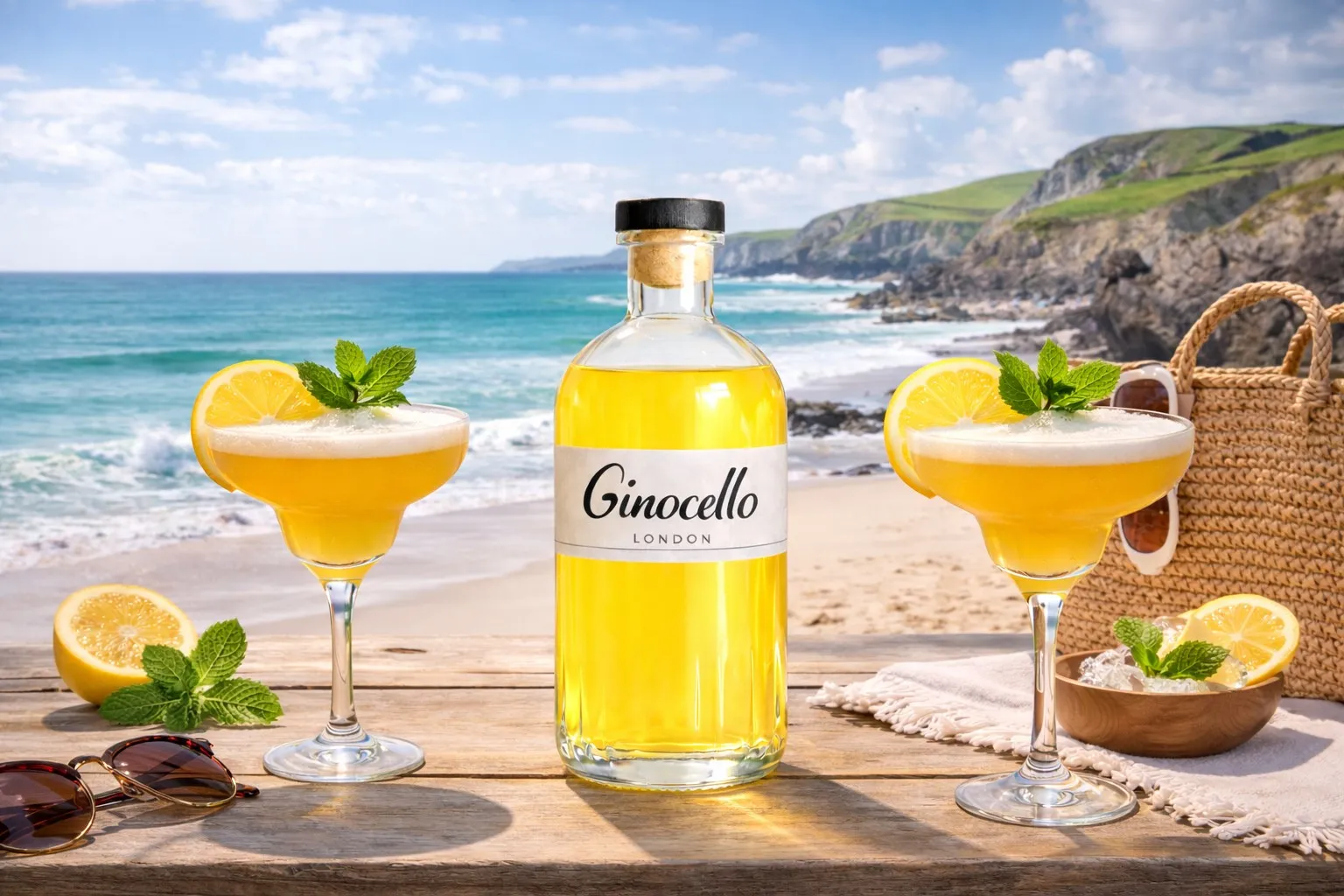
Gin On Cello Is Ginocello: The Complete Guide to the Name, the Drink, and What It Really Means
As modern spirits continue to evolve, new names and hybrid styles are emerging faster than ever. One phrase that has gained attention in recent years is Gin On Cello. Many people encountering this term ask the same question:
Is Gin On Cello the same as Ginocello?
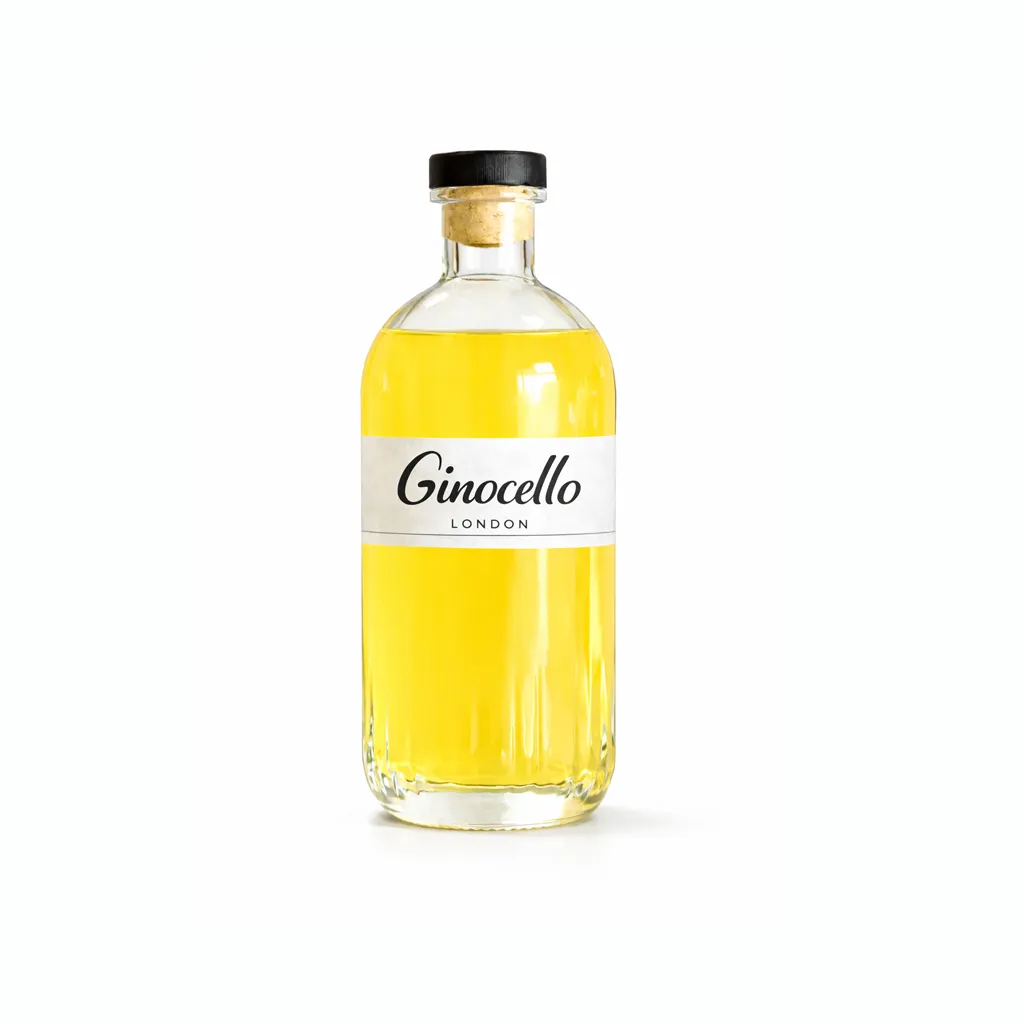
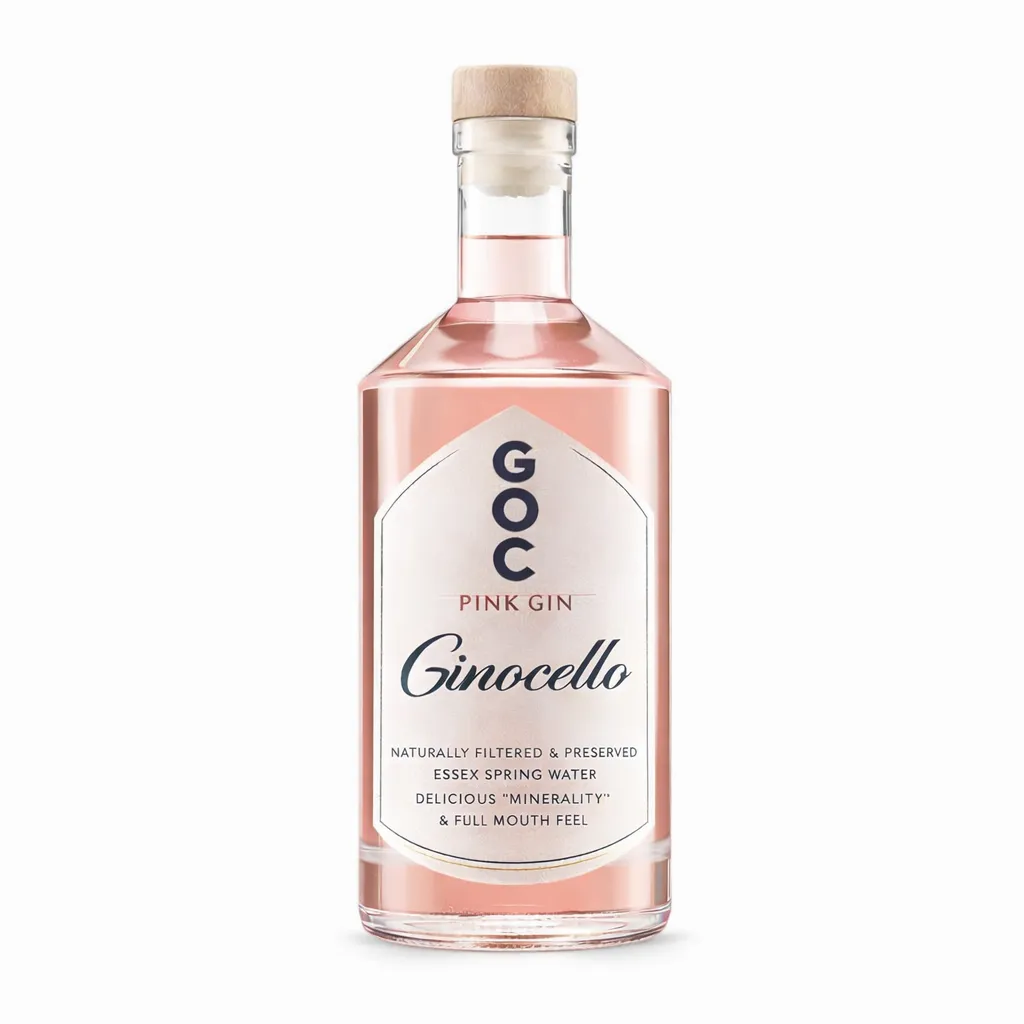
The answer is yes — Gin On Cello is Ginocello.
The difference lies in how the name is heard, written, and searched, not in the drink itself.
This article explains exactly why Gin On Cello and Ginocello mean the same thing, where the confusion comes from, what the drink actually is, how it’s made, how it’s enjoyed, and why multiple spellings such as Gin-O-Cello, Gincello, Ginoncello, and Ginorcello all point to the same category.
Understanding the Name: Why “Gin On Cello” Exists
The phrase Gin On Cello originates almost entirely from spoken language.
When someone hears the name “Gin-o-cello” spoken aloud, it is easy to interpret it as:
-
Gin on cello
-
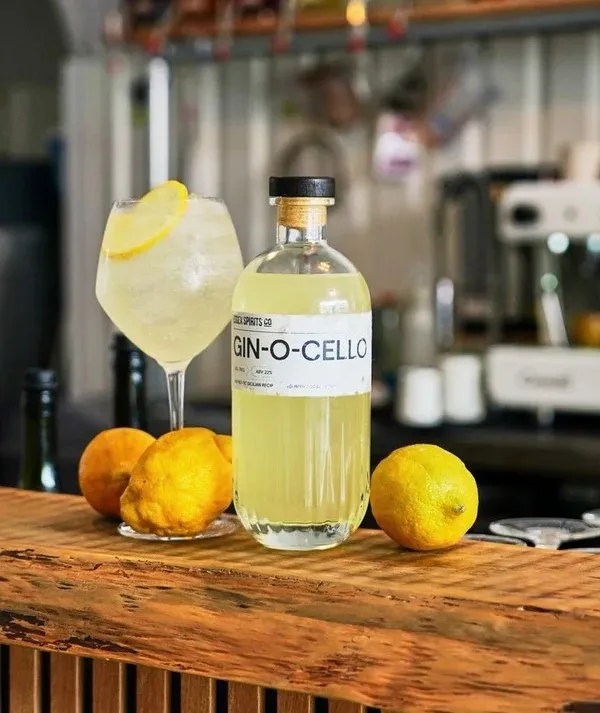
Gin-O-Cello
-
Gincello
In spoken English, these versions sound nearly identical. When people later search online, they often type what they heard rather than what they saw written. This is why Gin On Cello appears so frequently in search queries.
Importantly, Gin On Cello is not a separate product or category. It is simply a phonetic interpretation of Ginocello.
Gin On Cello vs Ginocello: Is There Any Difference?
There is no difference at all.
| Term | Meaning |
|---|---|
| Ginocello | The correct and primary product name |
| Gin On Cello | A spoken / phonetic interpretation |
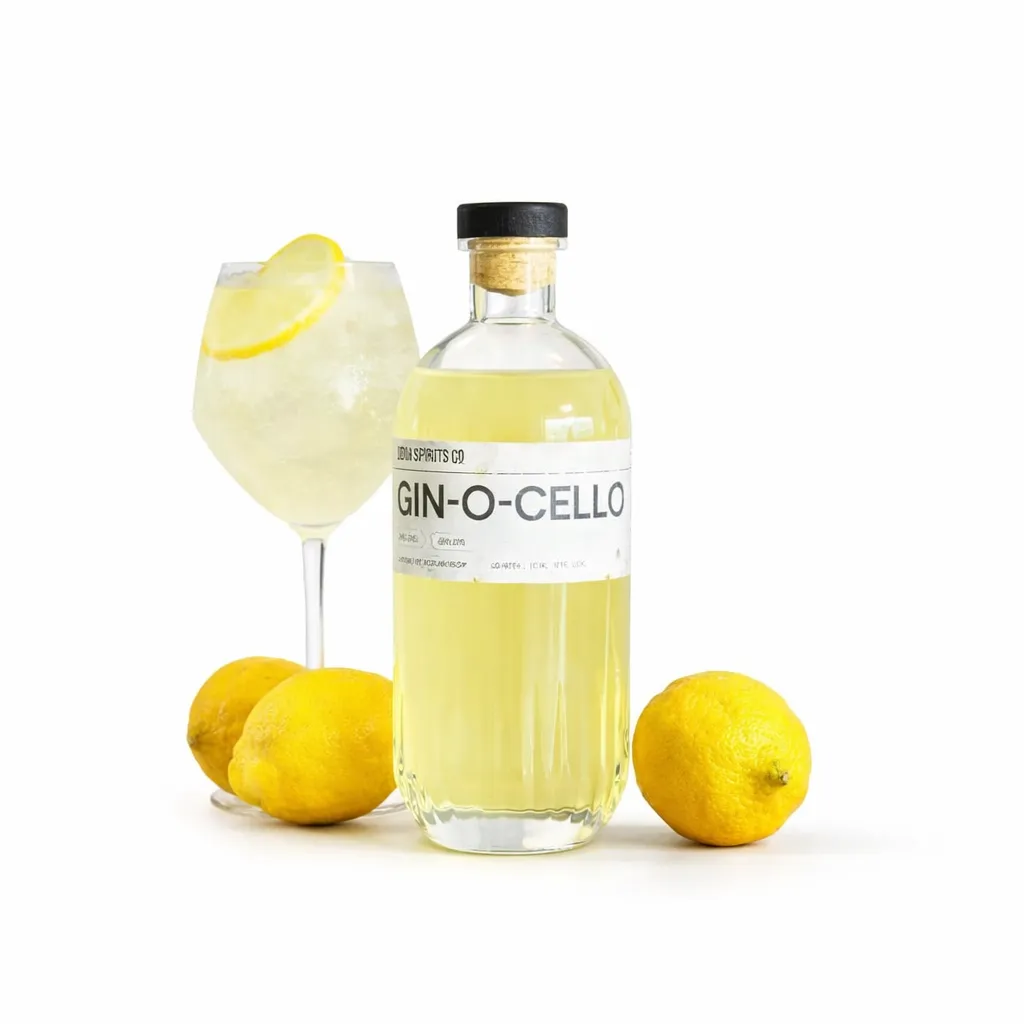
| Gin-O-Cello | A hyphenated spelling |
| Gincello | A simplified spelling |
| Ginoncello | A common misspelling |
| Ginorcello | Another search variation |
All of these names refer to the same style of drink: a gin-based citrus liqueur.
For clarity and branding consistency, Ginocello is typically used as the official name, while the others are treated as search variants.
What Is Ginocello?
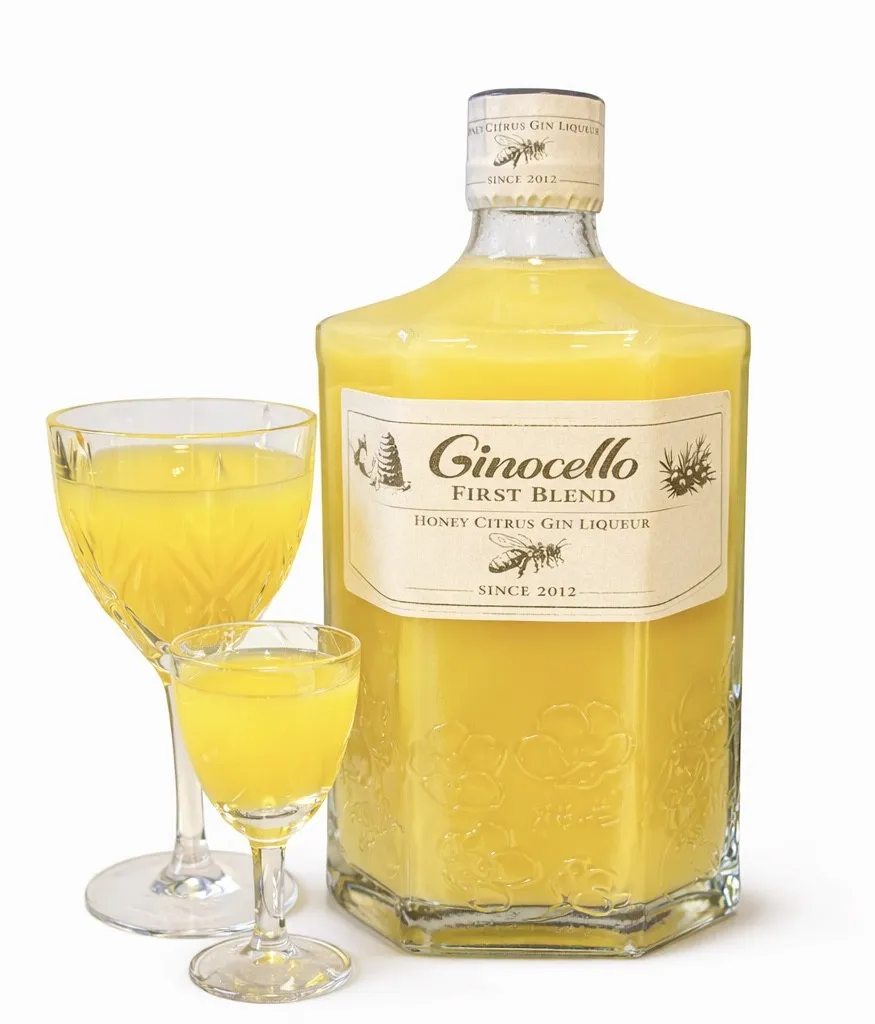
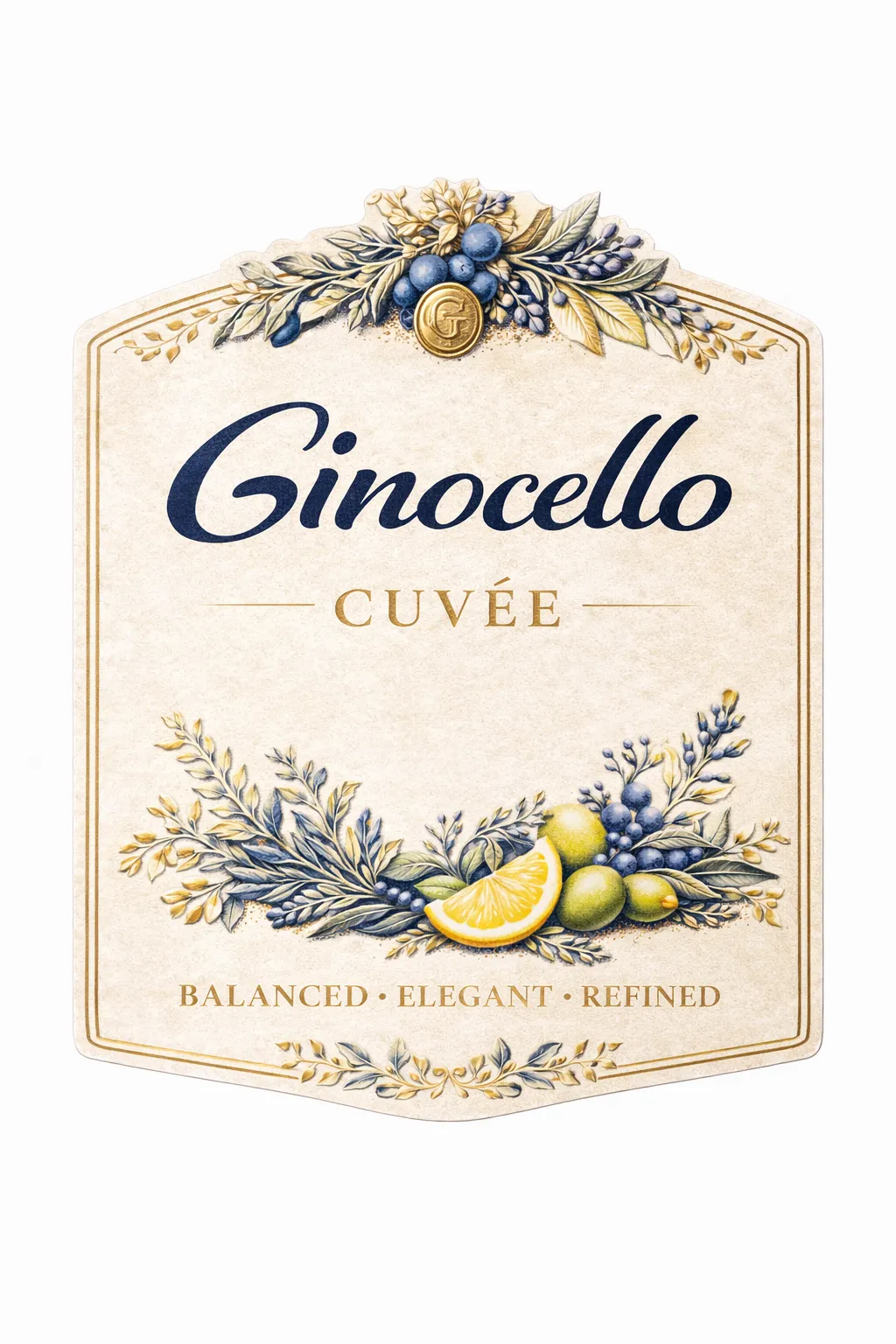
Ginocello is a gin-based liqueur that blends the botanical structure of gin with the brightness of citrus and gentle sweetness.
Unlike standard gin, which is dry and high in alcohol, Ginocello is designed to be:
-
Softer
-
Lower in alcohol
-
More approachable
-
Citrus-forward
It occupies a space between gin, flavoured liqueurs, and aperitif-style drinks, making it versatile and accessible.
What Makes Ginocello Different from Gin?
Traditional gin is defined by:
-
Strong juniper dominance
-
Dry profile
-
Higher alcohol content (usually 37.5–45% ABV)
Ginocello (often searched as Gin On Cello) changes this balance.
Key differences include:
-
Lower ABV (often around 18–25%)
-
Natural sweetness from honey or sugar
-
Prominent citrus character
-
Smoother mouthfeel
This makes Ginocello easier to sip and suitable for a wider audience, including those who find traditional gin too sharp or strong.
Is Gin On Cello the Same as Limoncello?
No — and this is a common misunderstanding.
While the names sound similar, Ginocello and limoncello are not the same.
-
Limoncello is typically made with neutral spirit, lemon peel, sugar, and water
-
Ginocello includes gin botanicals, most importantly juniper
Those botanicals give Ginocello more complexity, depth, and structure. This is why it still tastes like a gin-based product rather than a simple citrus liqueur.
In short:
-
Limoncello = citrus liqueur
-
Gin On Cello / Ginocello = citrus gin liqueur
The Botanical Foundation of Ginocello
The defining feature of Ginocello is its botanical base. While recipes vary, most versions include:
-
Juniper berries
-
Coriander seed
-
Angelica root
-
Citrus peels (lemon and orange)
-
Floral or tea notes
-
Gentle spices
This botanical backbone ensures that Ginocello retains the identity of gin while offering a brighter, softer flavour profile.
How Ginocello Is Made
Although production methods vary, the general process includes:
1. Base Spirit Preparation
A gin or British grain spirit is infused with classic gin botanicals.
2. Citrus Infusion
Fresh citrus peels are macerated to extract essential oils and flavour.
3. Sweetening
Natural sweeteners such as honey or sugar are added to balance the citrus.
4. Resting & Blending
The liquid is rested so flavours integrate smoothly.
5. Bottling
The final product is bottled at a lower ABV for balance and drinkability.
This process results in a refined, aromatic spirit with a smooth finish.
Alcohol Content and Drinking Style
One of the reasons Ginocello is growing in popularity is its moderate alcohol level.
Most Ginocello products fall between:
-
18% and 25% ABV
This places Gin On Cello:
-
Stronger than wine or prosecco
-
Lighter than gin or vodka
It’s ideal for relaxed social drinking, daytime occasions, and longer serves.
How to Drink Gin On Cello
Ginocello is highly versatile and can be enjoyed in several ways.
1. Chilled or Over Ice
Served cold, it highlights citrus and floral notes.
2. Ginocello Spritz
A popular modern serve:
-
Ginocello
-
Sparkling wine or prosecco
-
Soda water
-
Citrus garnish
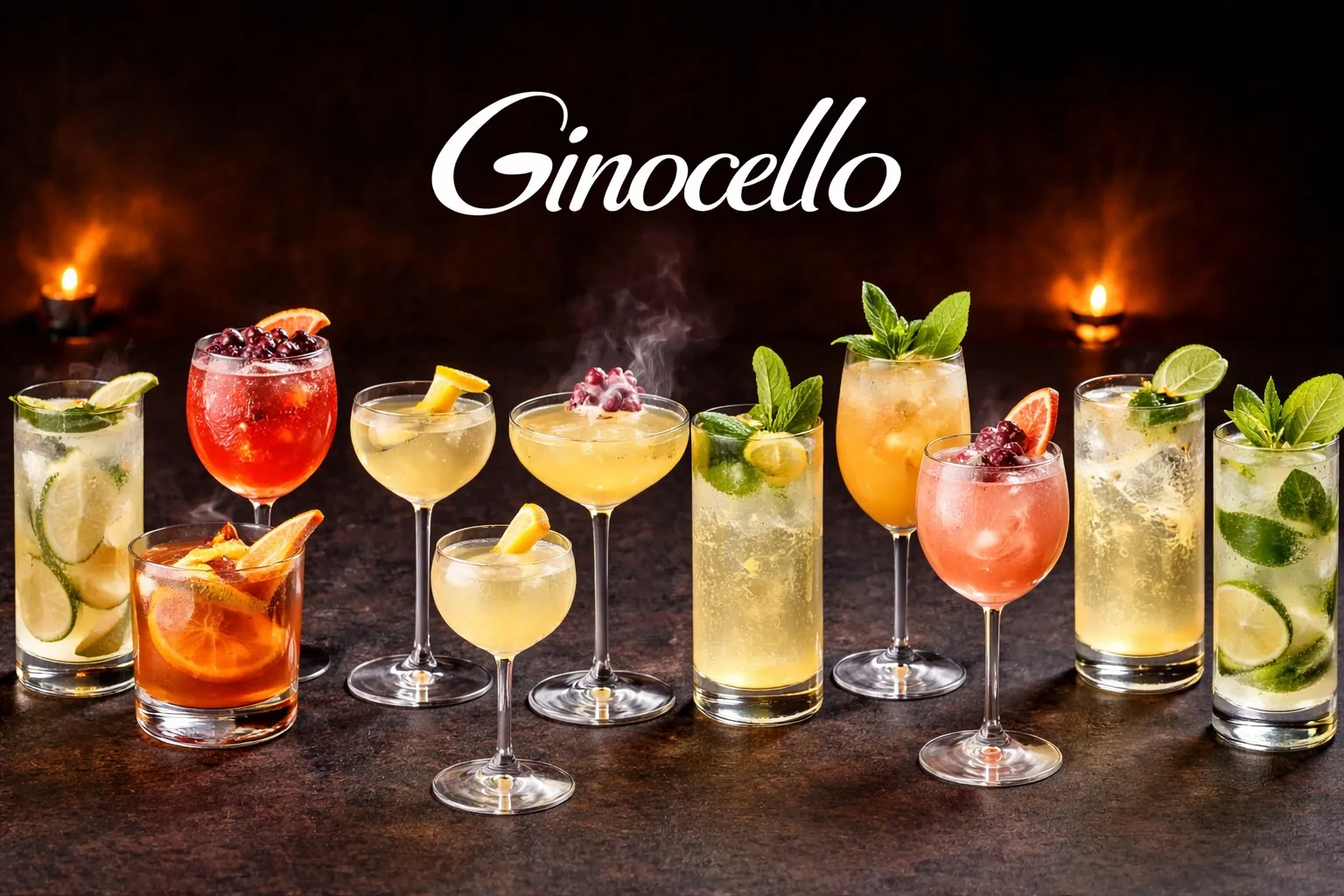
3. Cocktails
Works well in:
-
Citrus sours
-
Light martini variations
-
Collins-style drinks
4. With Food
Pairs well with:
-
Light desserts
-
Cheese boards
-
Summer dishes
Is Gin On Cello an Aperitif?
Yes, Ginocello functions very well as an aperitif-style drink.
Its citrus brightness stimulates the palate, while the botanicals add interest without heaviness. This makes it suitable before meals or as an early-evening drink.
Why Gin On Cello Searches Are Increasing
Search data shows that people are discovering Ginocello through:
-
Word of mouth
-
Menus and bars
-
Social media
When people hear the name spoken, they often search for:
-
Gin On Cello
-
Gincello
-
Ginoncello
This is why it’s important for brands and retailers to clearly state that Gin On Cello is Ginocello.
Branding and SEO: Why the Clarification Matters
From a digital perspective, acknowledging spelling variations helps:
-
Reduce customer confusion
-
Capture more search traffic
-
Avoid duplicate content
-
Strengthen brand authority
Best practice is to use Ginocello as the primary name while referencing Gin On Cello and other variations for clarity.
Is Ginocello a Premium Product?
Most Ginocello products position themselves as premium but approachable.
Quality indicators often include:
-
Natural ingredients
-
Botanical complexity
-
Thoughtful production
-
Elegant packaging
This makes Ginocello suitable for gifting, celebrations, and hospitality use.
Gin On Cello in England: A Growing Trend
In England, consumer preferences are shifting toward:
-
Lower-ABV spirits
-
Flavour-forward drinks
-
Versatile serves
Ginocello fits perfectly into this trend, offering familiarity with a modern twist.
The Future of Ginocello
As the category matures, expect to see:
-
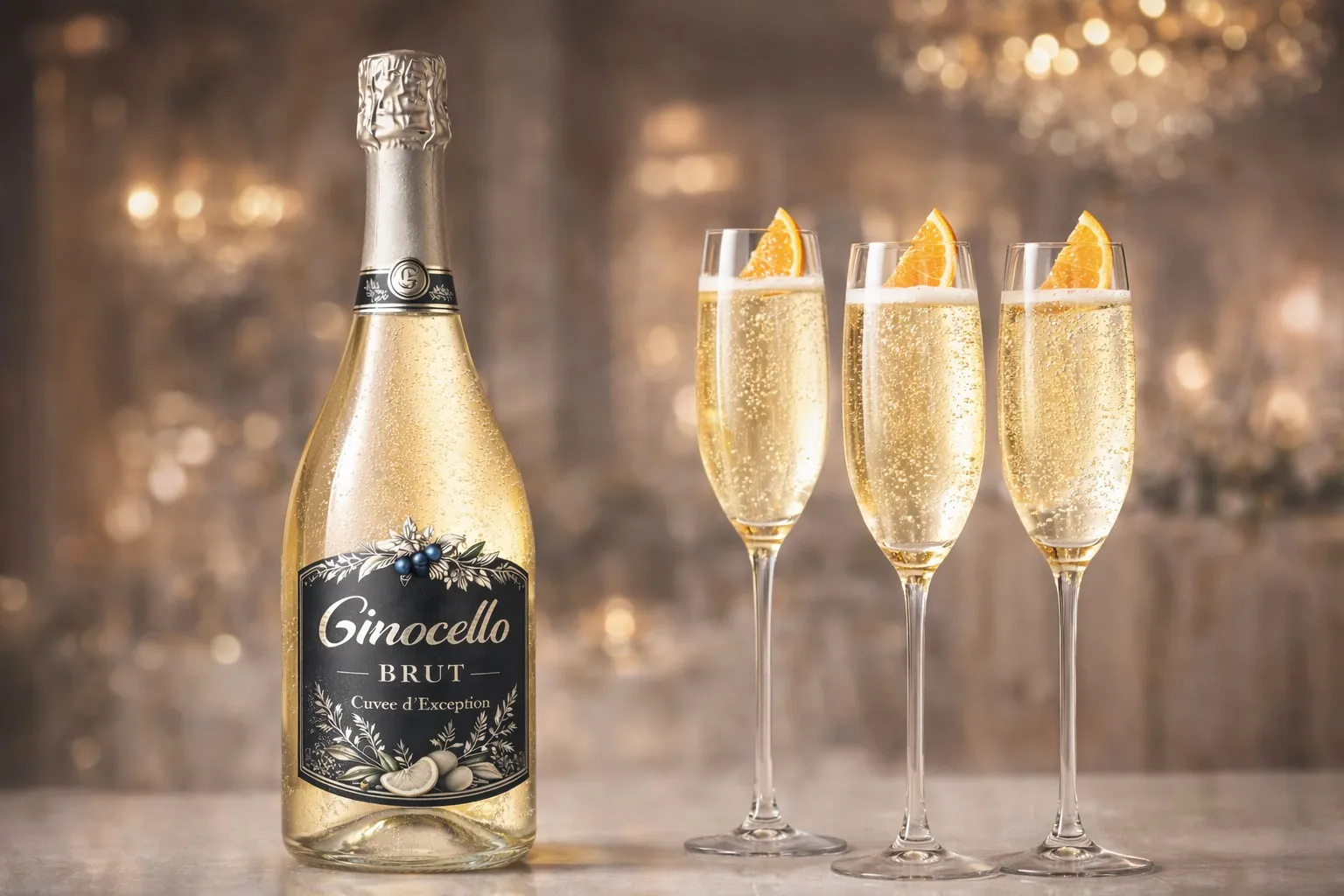
Sparkling Ginocello styles
-
New citrus and botanical variations
-
Increased presence on cocktail menus
-
Wider retail availability
The continued rise of searches for Gin On Cello suggests long-term interest rather than a passing trend.
Final Thoughts: Gin On Cello Is Ginocello
To be completely clear:
-
Gin On Cello is Ginocello
-
The difference is spelling, not substance
-
All variations refer to the same gin-based citrus liqueur
As drinkers continue to seek flavour, balance, and versatility, Ginocello is well placed to remain a popular choice in modern spirits culture.
Whether you discover it as Gin On Cello, Ginocello, Gin-O-Cello, Gincello, Ginoncello, or Ginorcello, the experience is the same: a smooth, citrus-bright gin liqueur designed for contemporary drinking.