



Ginocello Carbs: What to Know About Carbohydrates in a Premium Gin-Based Citrus Digestif
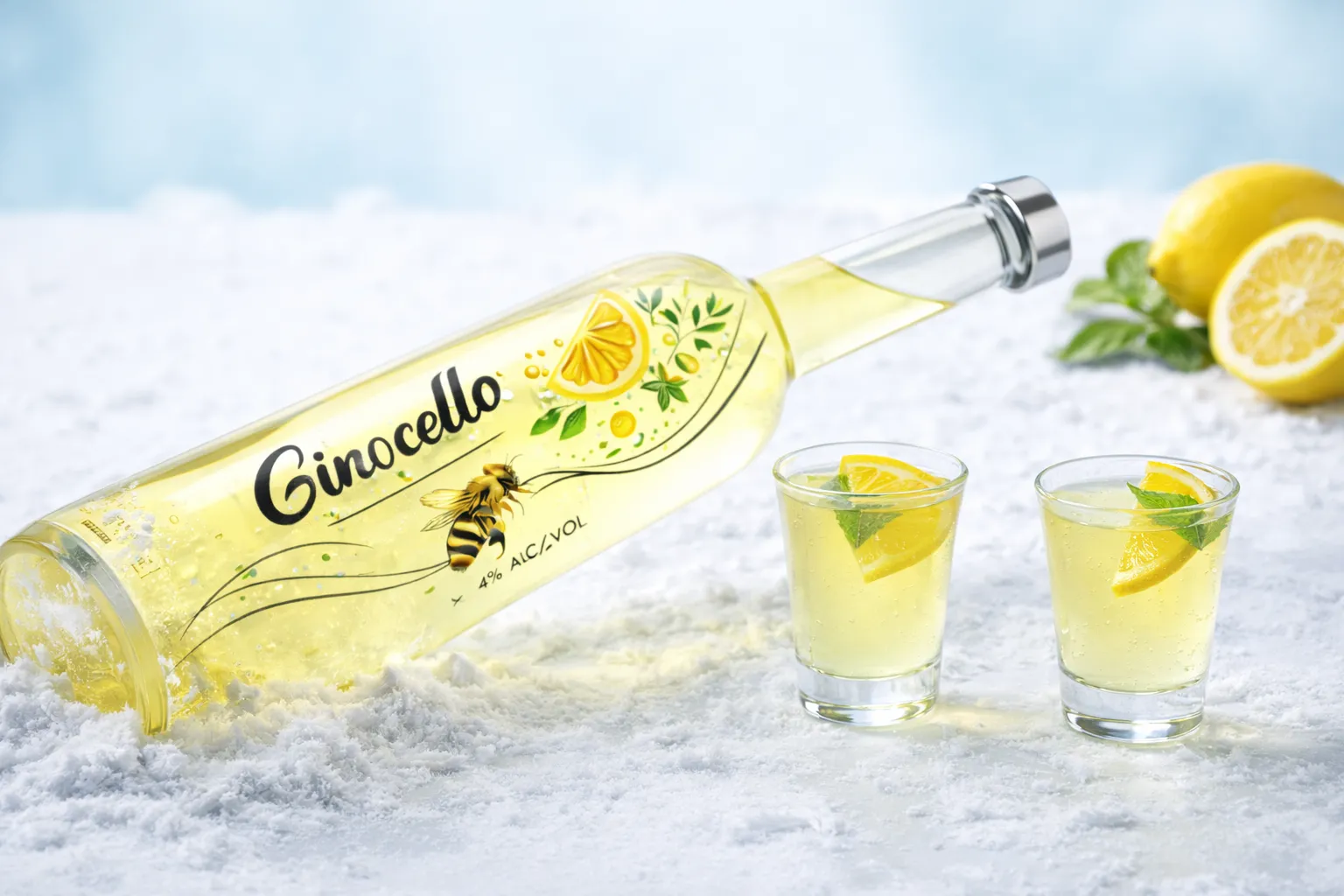
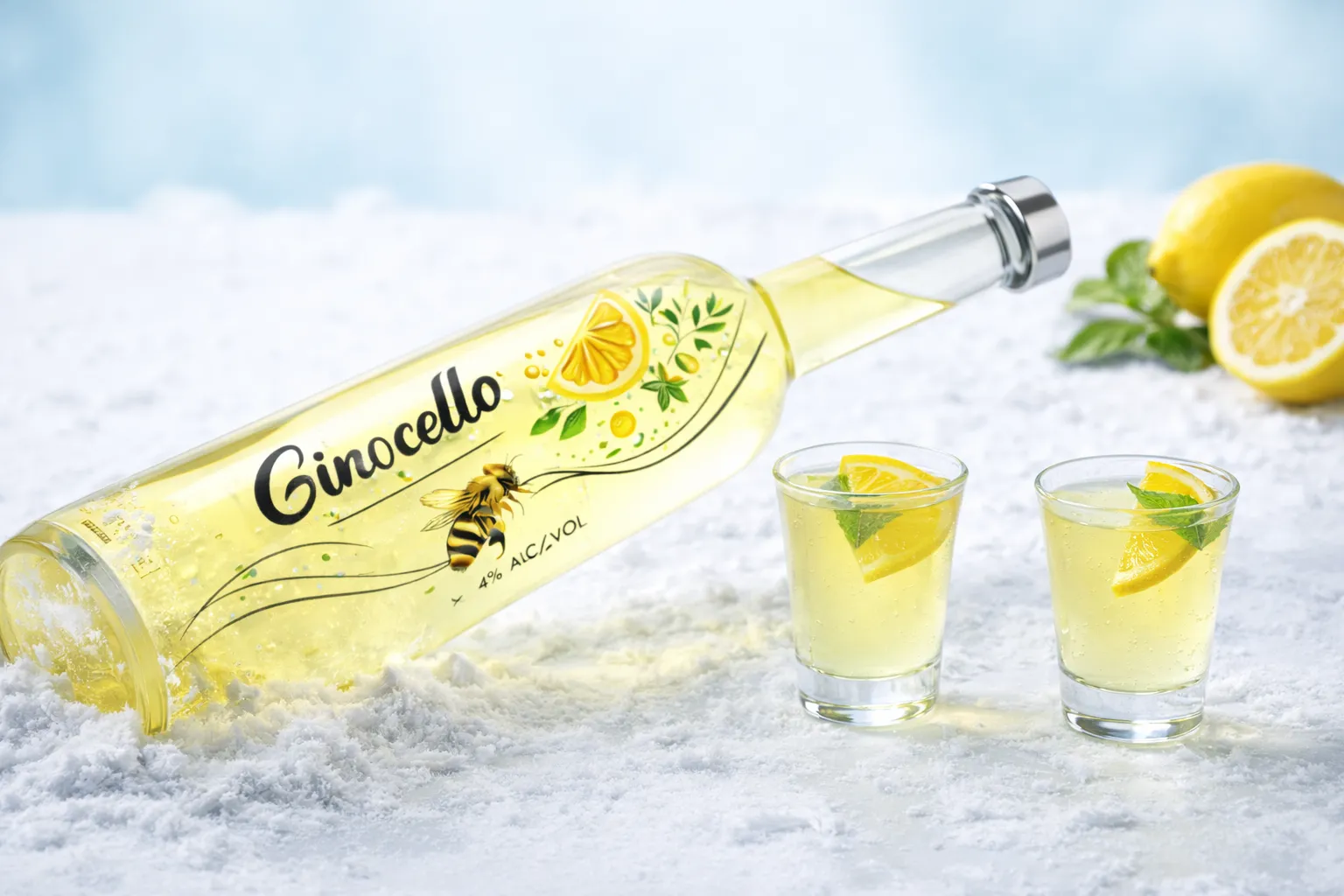
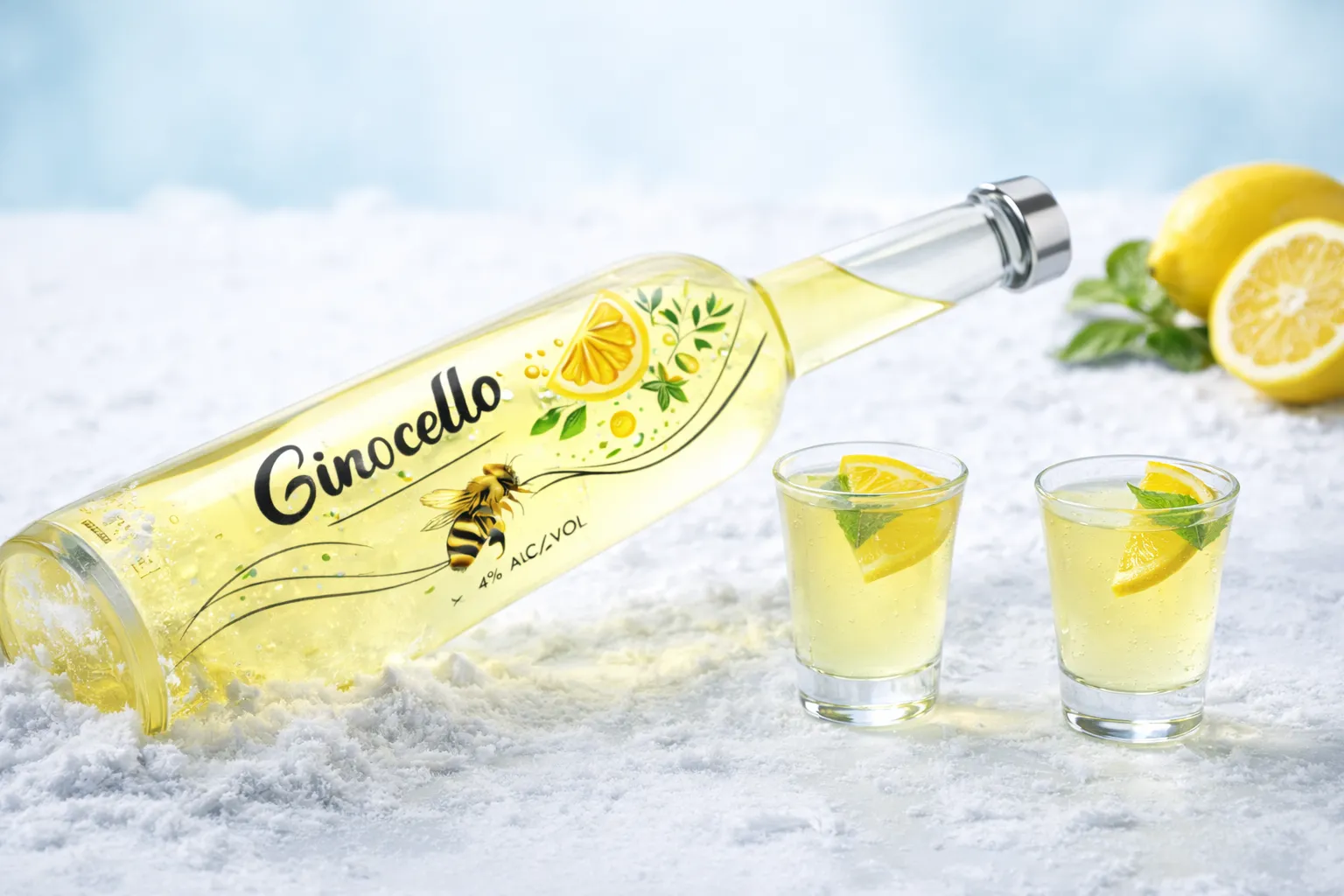
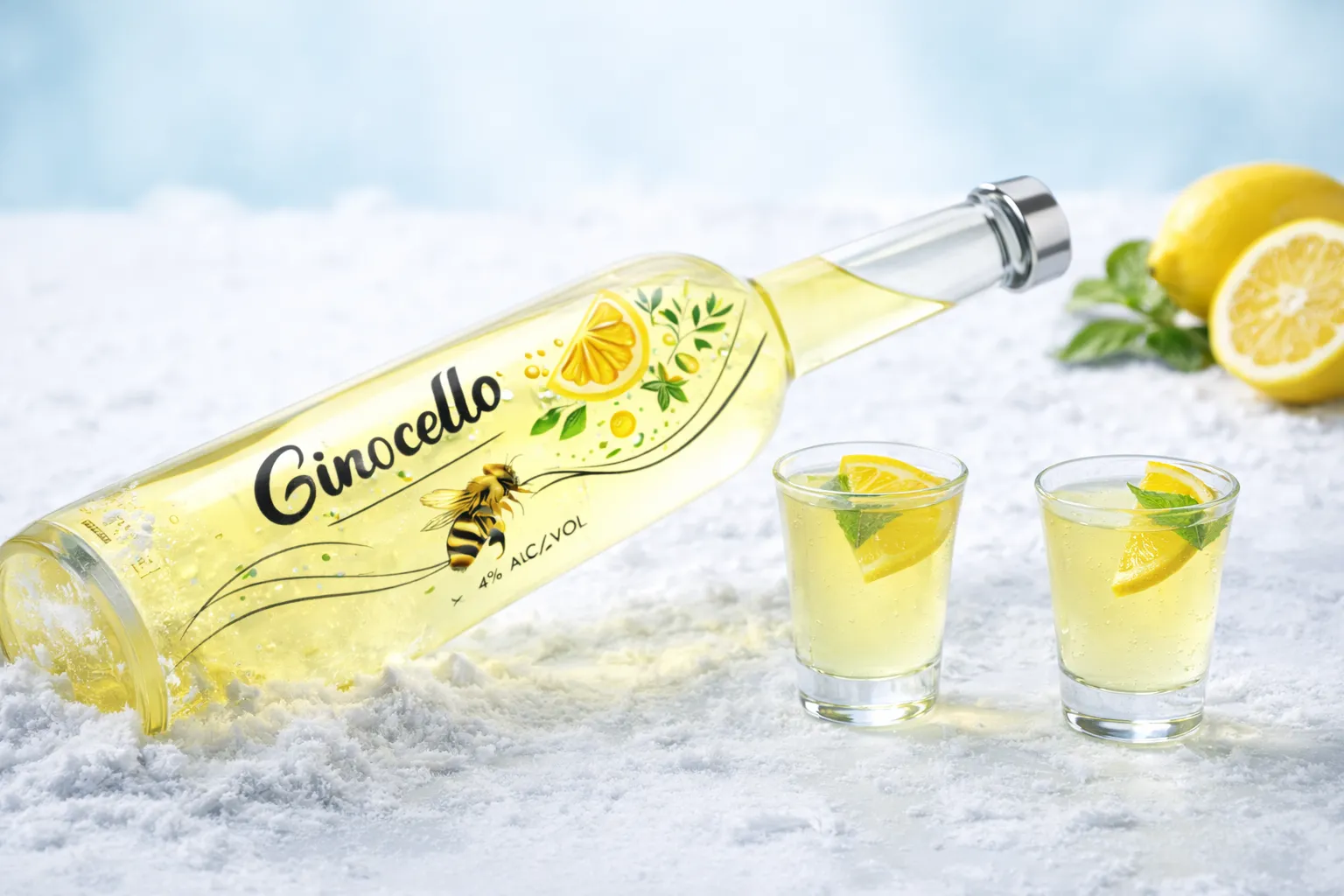
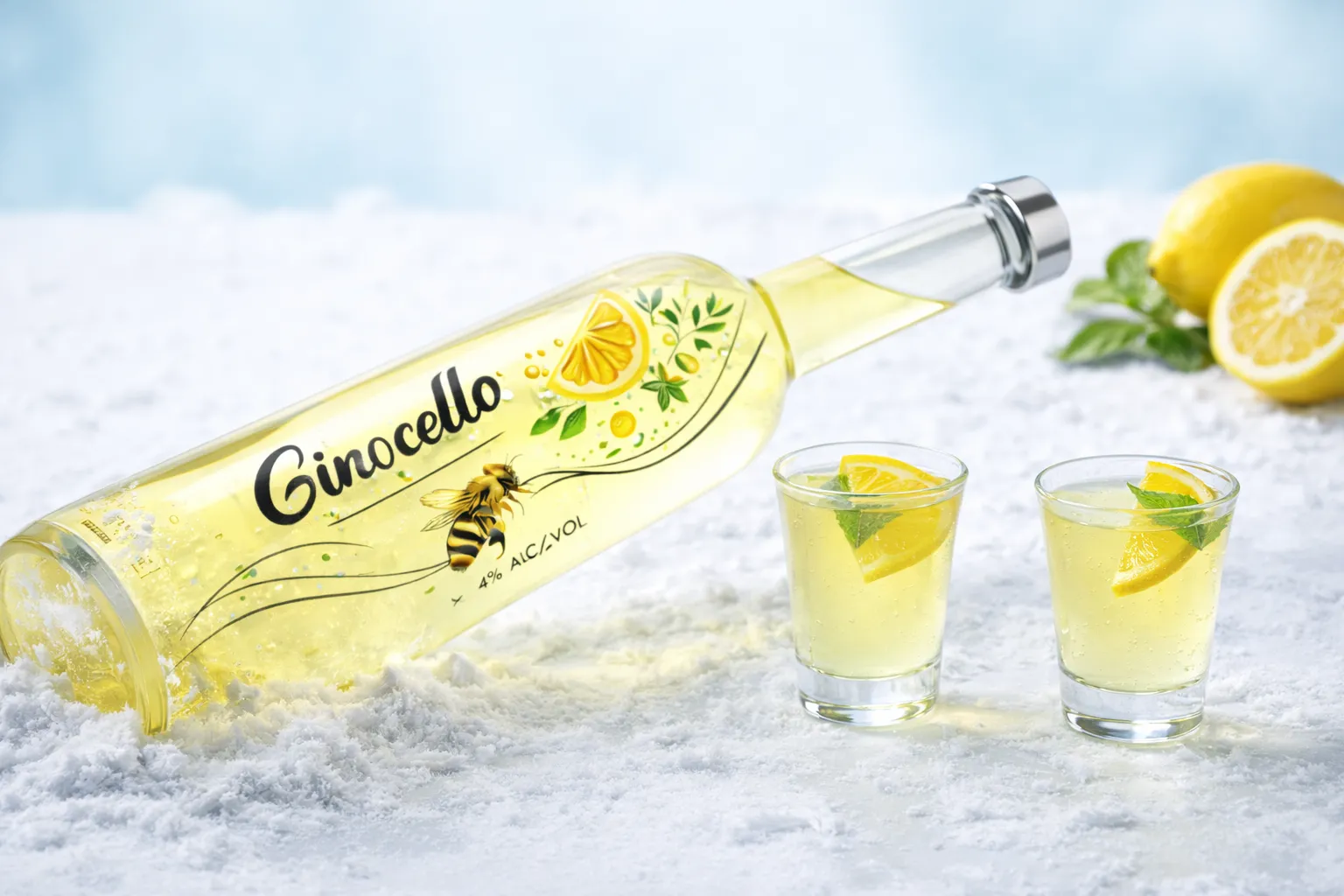
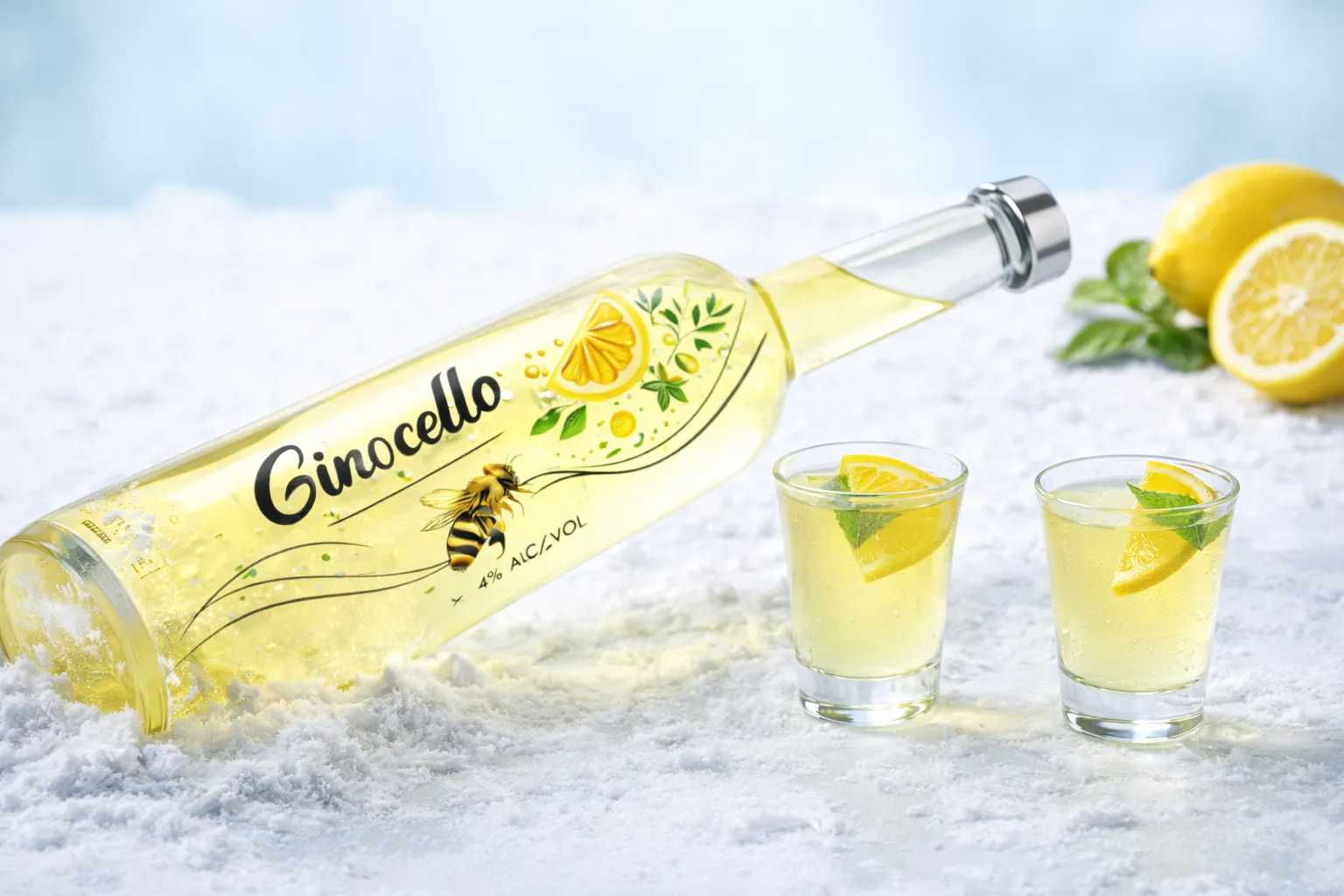
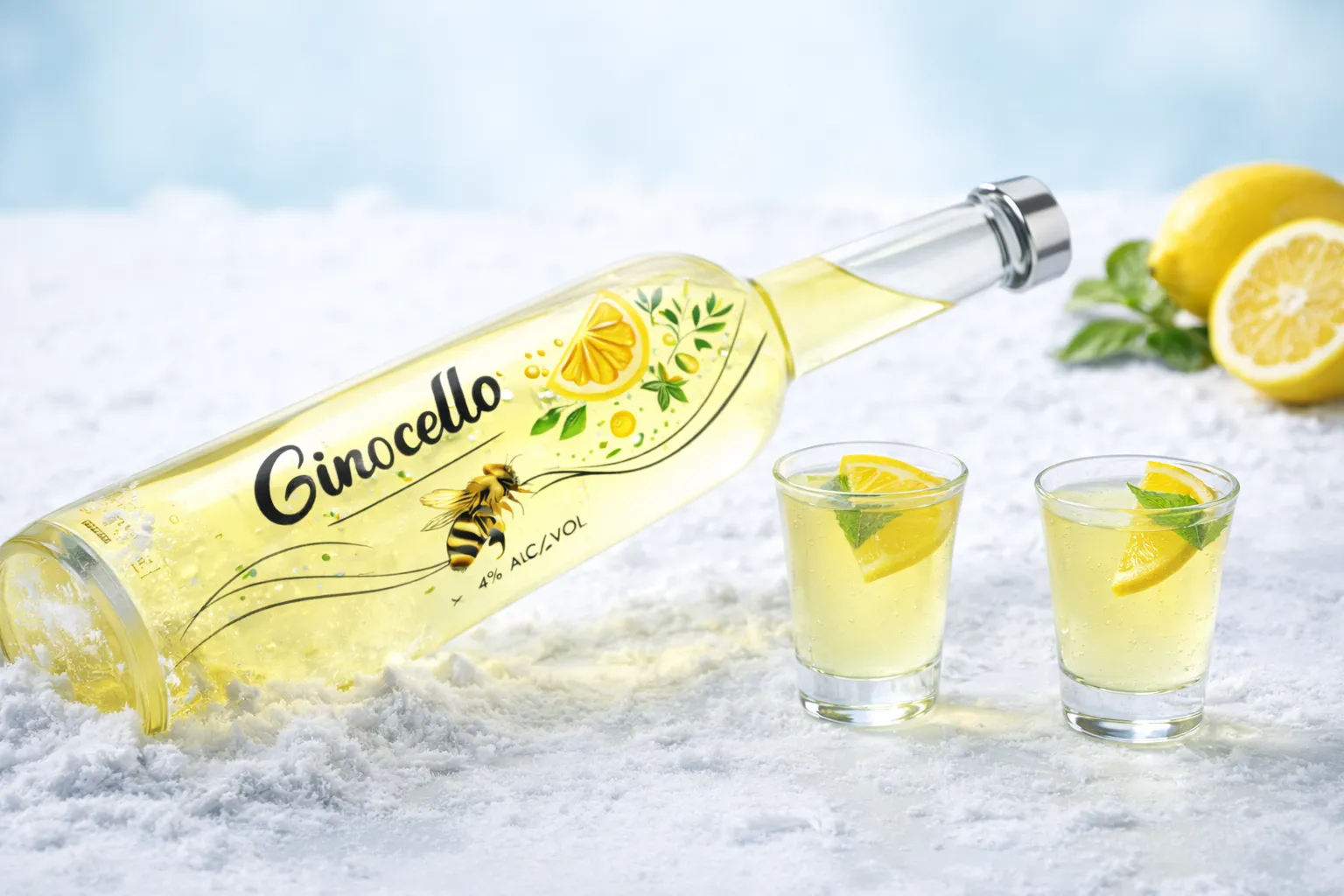
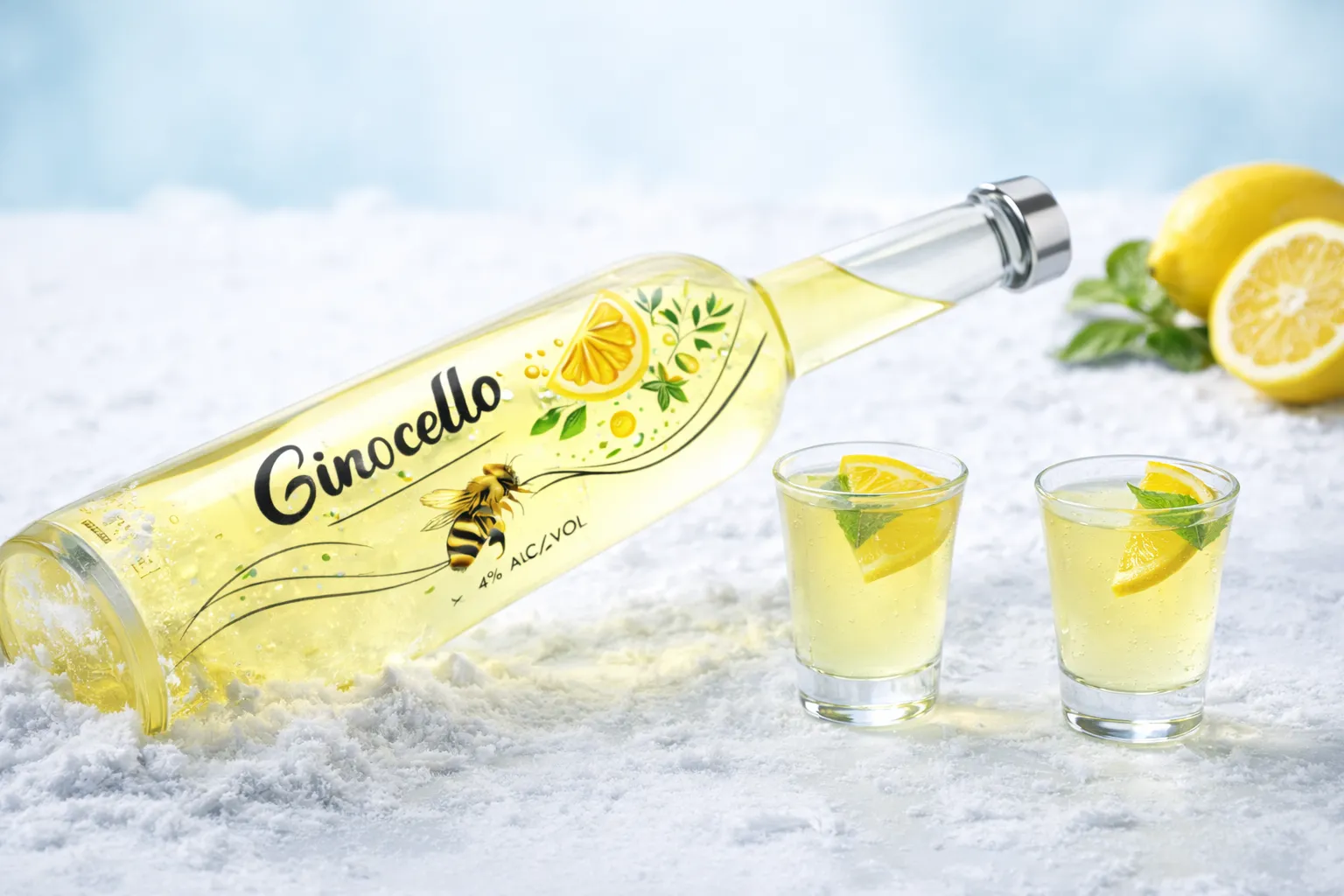
Understanding Ginocello carbs helps clarify how the spirit fits into a balanced, intentional approach to drinking. As Ginocello — the premium gin-based citrus digestif, its carbohydrate content reflects the same philosophy that defines every part of its creation: restraint, clarity, and purpose.
Ginocello is not designed for volume or repetition. It is designed for a single, considered serve, enjoyed slowly at the table. Because of this, its carbohydrate content is moderate, controlled, and appropriate to its role as a digestif rather than a casual drink.
This article explores where carbohydrates in Ginocello come from, how they compare to other citrus spirits, and why Ginocello carbs are intentionally kept in balance.
What Are Carbohydrates in Spirits?
In spirits, carbohydrates primarily come from sugars.
Pure distilled alcohol — including gin — contains zero carbohydrates. Any carbs present in a finished spirit are the result of:
-
Added sweetening
-
Natural sugars from ingredients such as fruit or honey
In citrus digestifs, carbohydrates are often used to soften acidity and alcohol. The difference lies in how much sugar is used and why.
Ginocello approaches carbohydrates with intention, not excess.
How Many Carbs Are in Ginocello?
A standard 25ml serving of Ginocello contains approximately:
-
Carbohydrates: ~5–7 g
-
Of which sugars: ~4–6 g
These values are estimates and may vary slightly between batches, as Ginocello uses natural ingredients, including local honey and cane sugar, rather than industrial syrups or artificial sweeteners.
This carbohydrate level reflects measured sweetening, not heavy sugar reliance.
Why Serving Size Matters
Ginocello carbs should always be considered in relation to serving style.
Ginocello is designed to be:
-
Served tableside
-
Poured in small, measured quantities
-
Enjoyed slowly, often once per meal
It is not intended for repeated pours or extended sessions. Because of this, total carbohydrate intake remains modest when Ginocello is enjoyed as intended.
Where Ginocello Carbs Come From
All Ginocello carbs come from its sweetening elements — not from the alcohol itself.
Gin Base: 0 g Carbs
Gin, as a distilled spirit, contributes no carbohydrates. This is a crucial distinction.
Because Ginocello is gin-based, its structure, dryness, and length come from botanicals rather than sugar. This allows sweetness — and therefore carbohydrates — to remain controlled.
Local Honey: Softness and Roundness
Local honey contributes a portion of Ginocello’s carbohydrates. Its role is not to sweeten aggressively, but to:
-
Round citrus oils
-
Add subtle floral softness
-
Integrate alcohol warmth
Honey delivers sweetness more gently than refined sugar, meaning less is required to achieve balance.
Cane Sugar: Precision and Consistency
Cane sugar is used sparingly to fine-tune sweetness and ensure consistency across batches.
Together, local honey and cane sugar provide balance without driving carbohydrate levels unnecessarily high.
Why Ginocello Carbs Are Lower Than Many Citrus Digestifs
Many traditional citrus digestifs rely heavily on sugar to define their identity.
This often results in:
-
High carbohydrate content
-
Thick, syrupy texture
-
Sticky, lingering sweetness
Ginocello takes a different approach.
Because it is gin-based, much of its balance comes from:
-
Botanical structure
-
Controlled alcohol strength (22% ABV)
-
Careful citrus handling
As a result, Ginocello carbs are lower than many limoncello-style spirits, which often contain significantly higher sugar levels.
Carbs and Mouthfeel
Carbohydrates influence not just nutrition, but texture.
In Ginocello:
-
Moderate carbs contribute smoothness
-
Restrained sugar avoids heaviness
-
The finish remains clean and composed
Rather than coating the palate, Ginocello lifts and refreshes — an essential quality for a digestif.
Do Serving Styles Affect Ginocello Carbs?
No. Ginocello carbs do not change based on serving style.
Whether Ginocello is:
-
Served over ice
-
Lightly chilled
-
Enjoyed neat
The carbohydrate content per 25ml measure remains the same.
Ice and chilling affect perception, not nutrition. They refine texture and soften sweetness without altering carbohydrate levels.
Ginocello Carbs and Modern Drinking Habits
Modern drinkers increasingly seek:
-
Fewer drinks
-
Higher quality
-
Greater intention
Ginocello carbs reflect this shift.
Rather than delivering sweetness through volume, Ginocello delivers satisfaction through composition. One well-served glass completes the moment without creating fatigue or excess.
This makes Ginocello compatible with a mindful approach to carbohydrates and overall intake.
Carbs vs Alcohol: Where the Balance Lies
In Ginocello, most energy comes from alcohol, not carbohydrates.
This is significant because:
-
Alcohol calories are predictable
-
Sugar levels remain restrained
-
Sweetness supports rather than dominates
By avoiding heavy sugar reliance, Ginocello ensures that carbs remain supportive, not defining.
Ginocello Carbs Compared to Other Spirits
For context:
-
Full-strength gin: 0 g carbs, but much higher alcohol
-
Sweet citrus liqueurs: Often much higher carbs due to syrup
-
Cream digestifs: Higher carbs and fats
Ginocello sits comfortably between these categories — offering structure and flavour without excessive carbohydrates.
Ginocello Carbs at a Glance
-
Carbohydrates per 25ml: ~5–7 g
-
Sugars: ~4–6 g
-
Source: Local honey and cane sugar
-
Added syrups: None
-
Base spirit carbs: 0 g
-
Overall profile: Moderate and restrained
Why Ginocello Is Not “Low-Carb” — By Design
Ginocello is not designed to chase nutritional trends.
It is not marketed as:
-
Low-carb
-
Sugar-free
-
Functional
Instead, it is designed to be well-considered.
Carbohydrates are present because they are needed — and limited because excess would compromise balance.
This honesty is central to Ginocello’s identity.
Carbohydrates With Purpose
Every gram of carbohydrate in Ginocello serves a role:
-
Supporting citrus expression
-
Integrating botanicals
-
Refining the finish
Nothing exists without intention.
Balanced by Design
Ginocello carbs are not about restriction — they are about proportion.
By using just enough sweetness to achieve harmony, Ginocello — the premium gin-based citrus digestif — delivers a refined finish that feels complete without heaviness.
One glass.
One moment.
One beautifully balanced conclusion.
Measured sweetness.
Controlled balance.
A finish that respects the table.