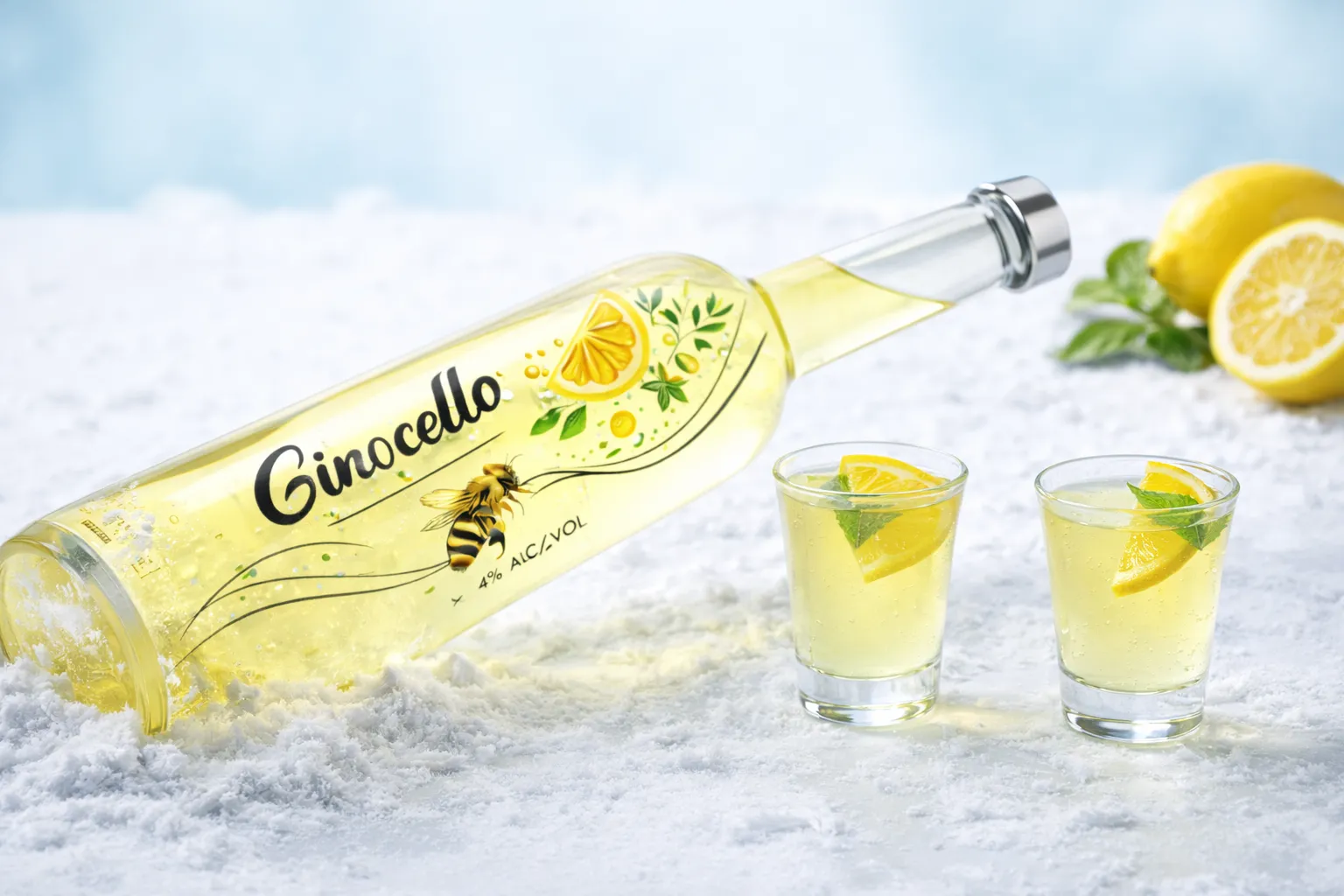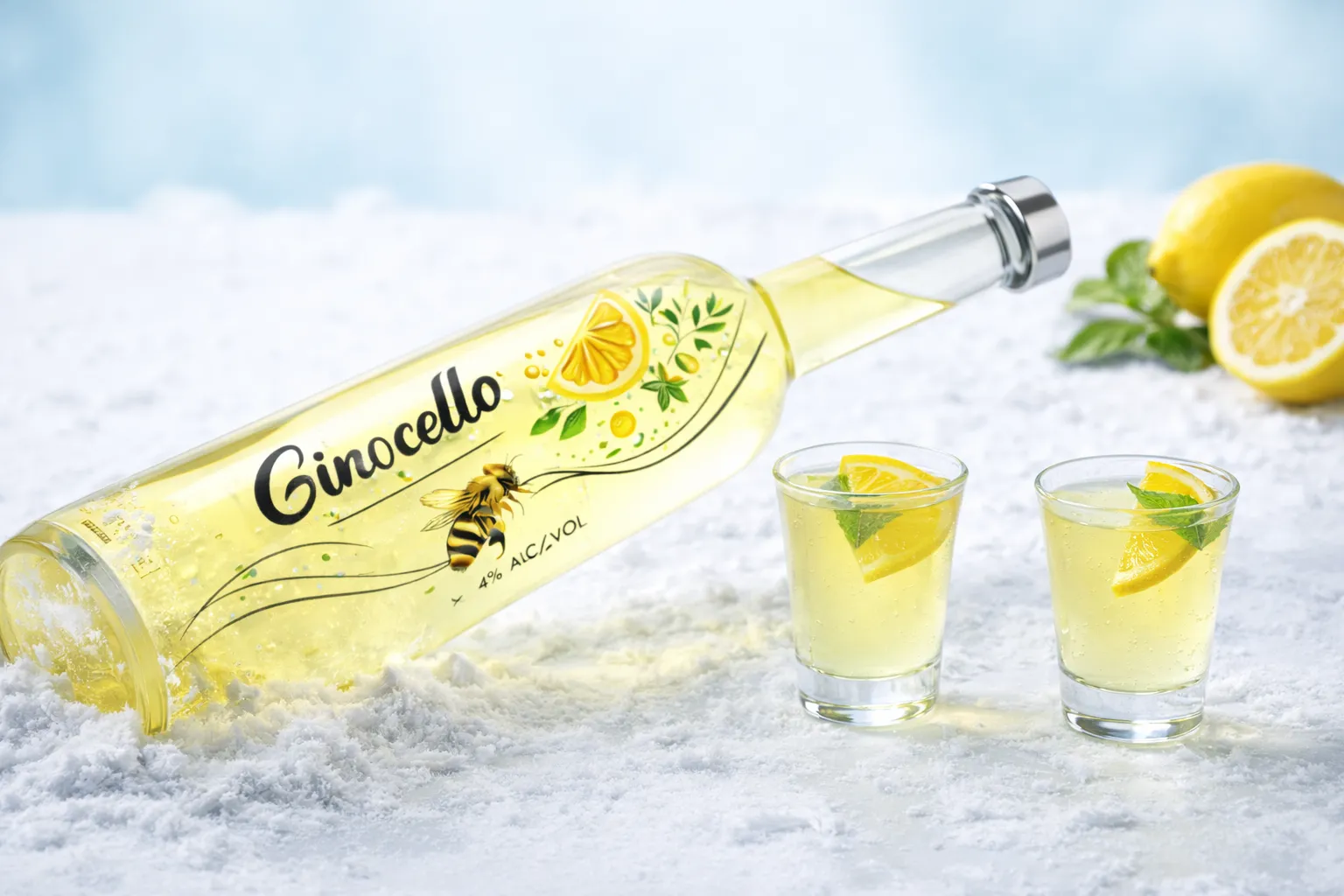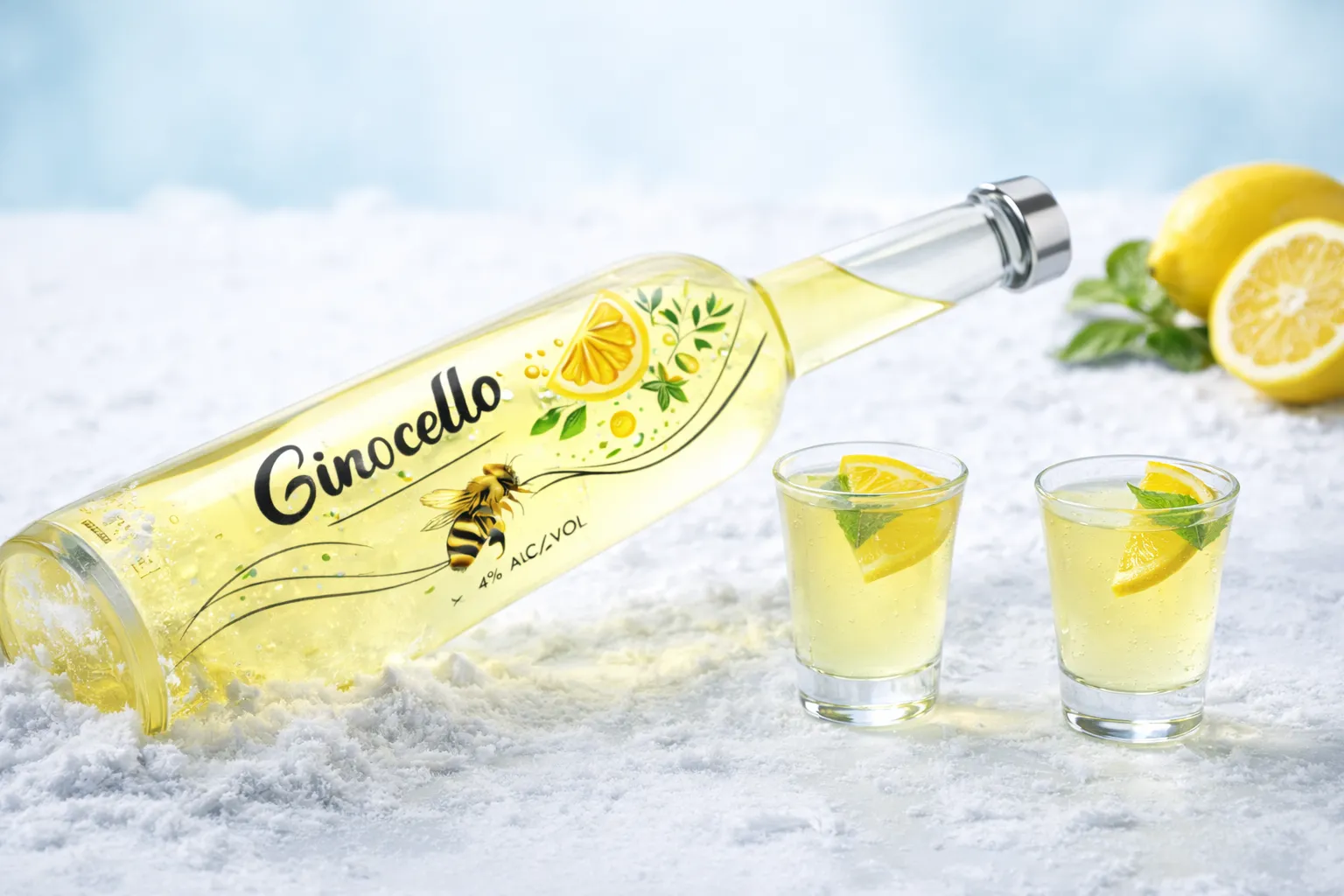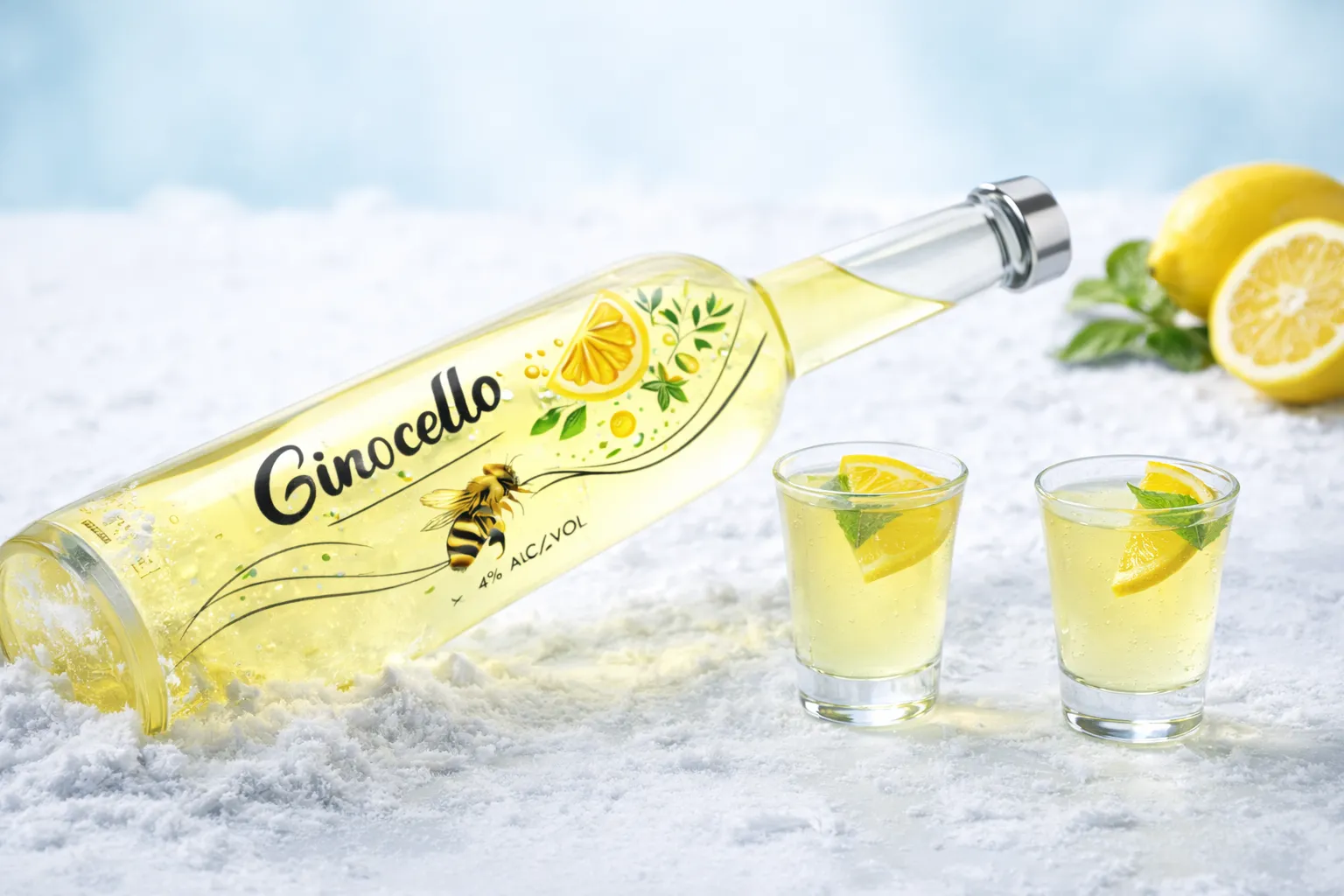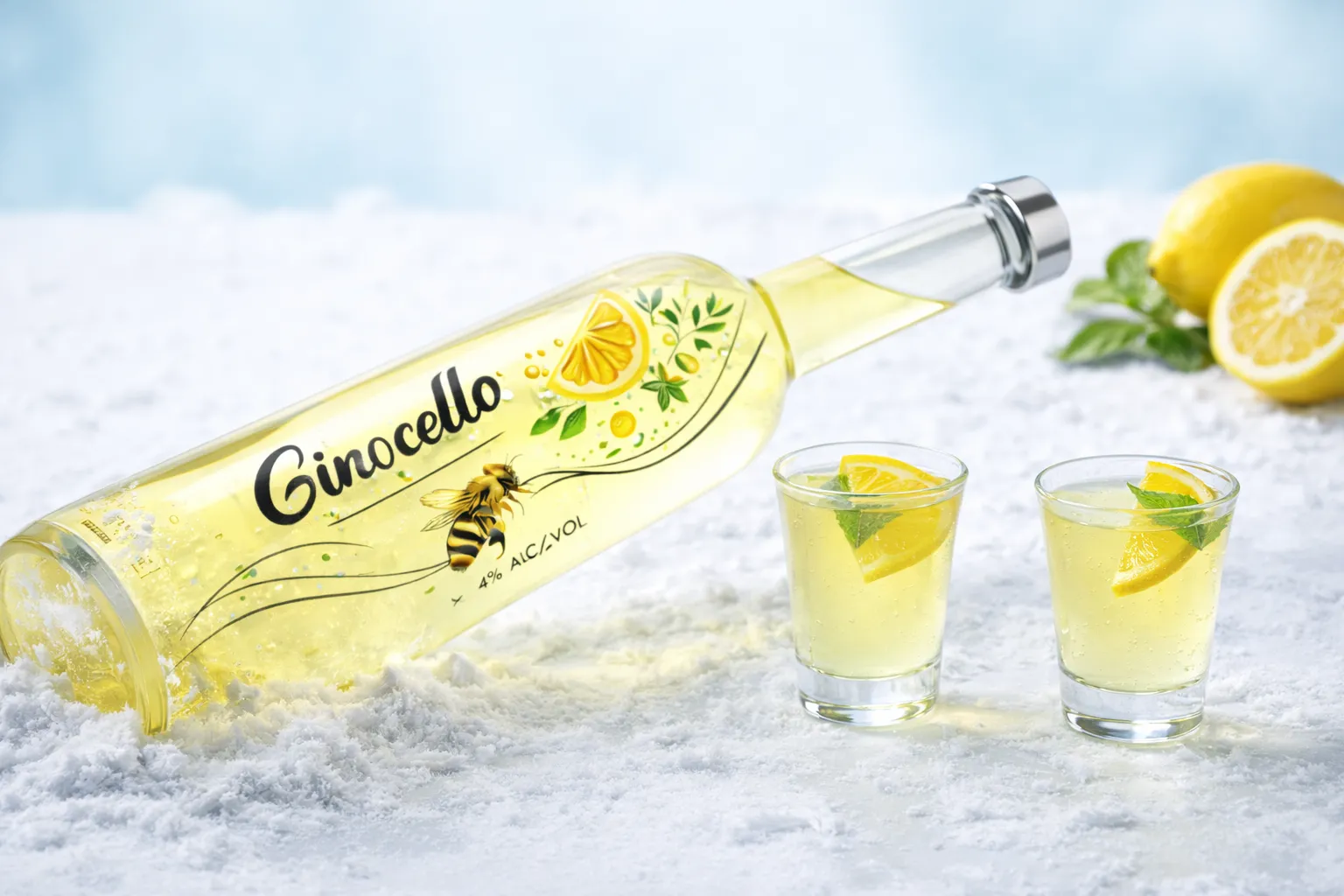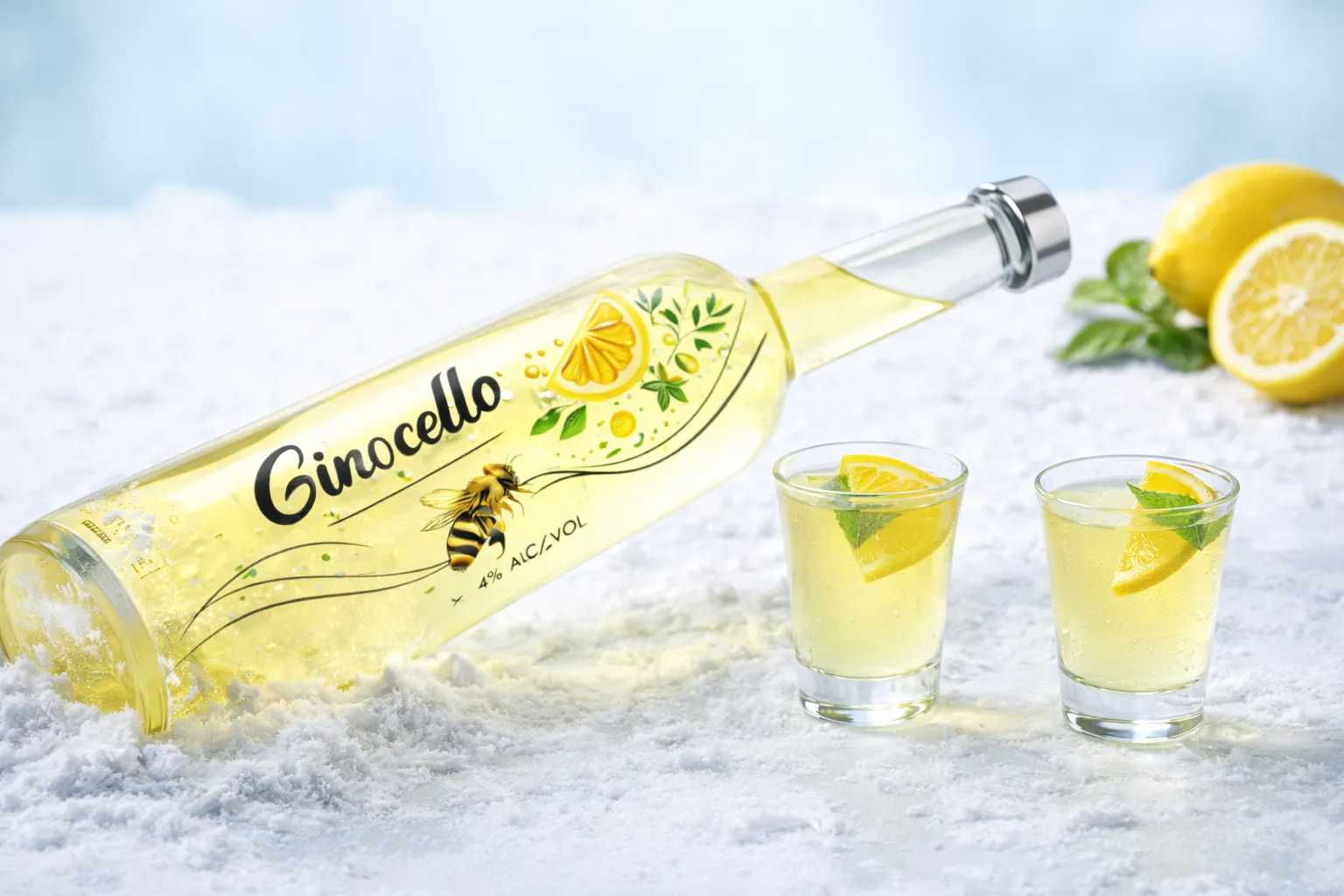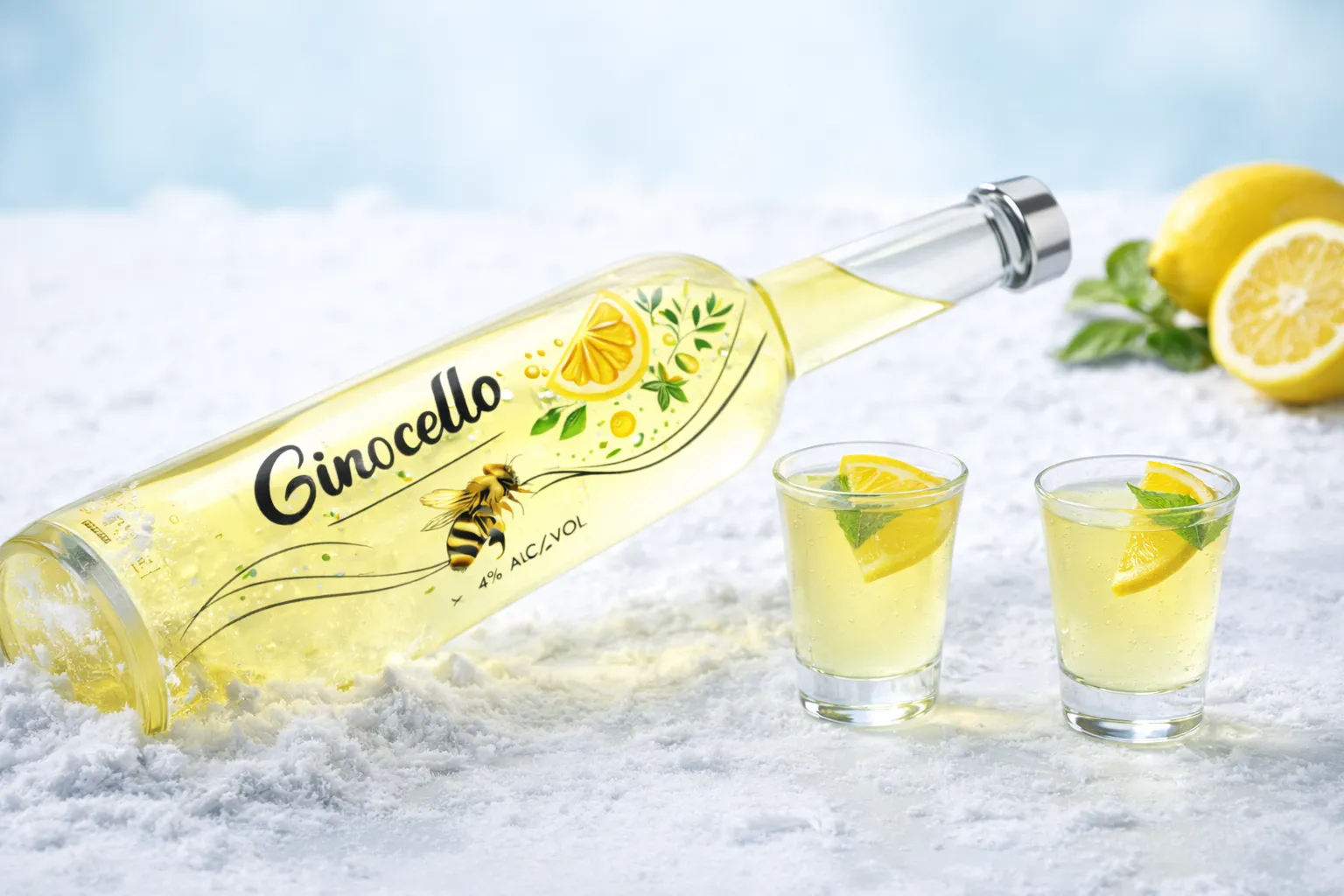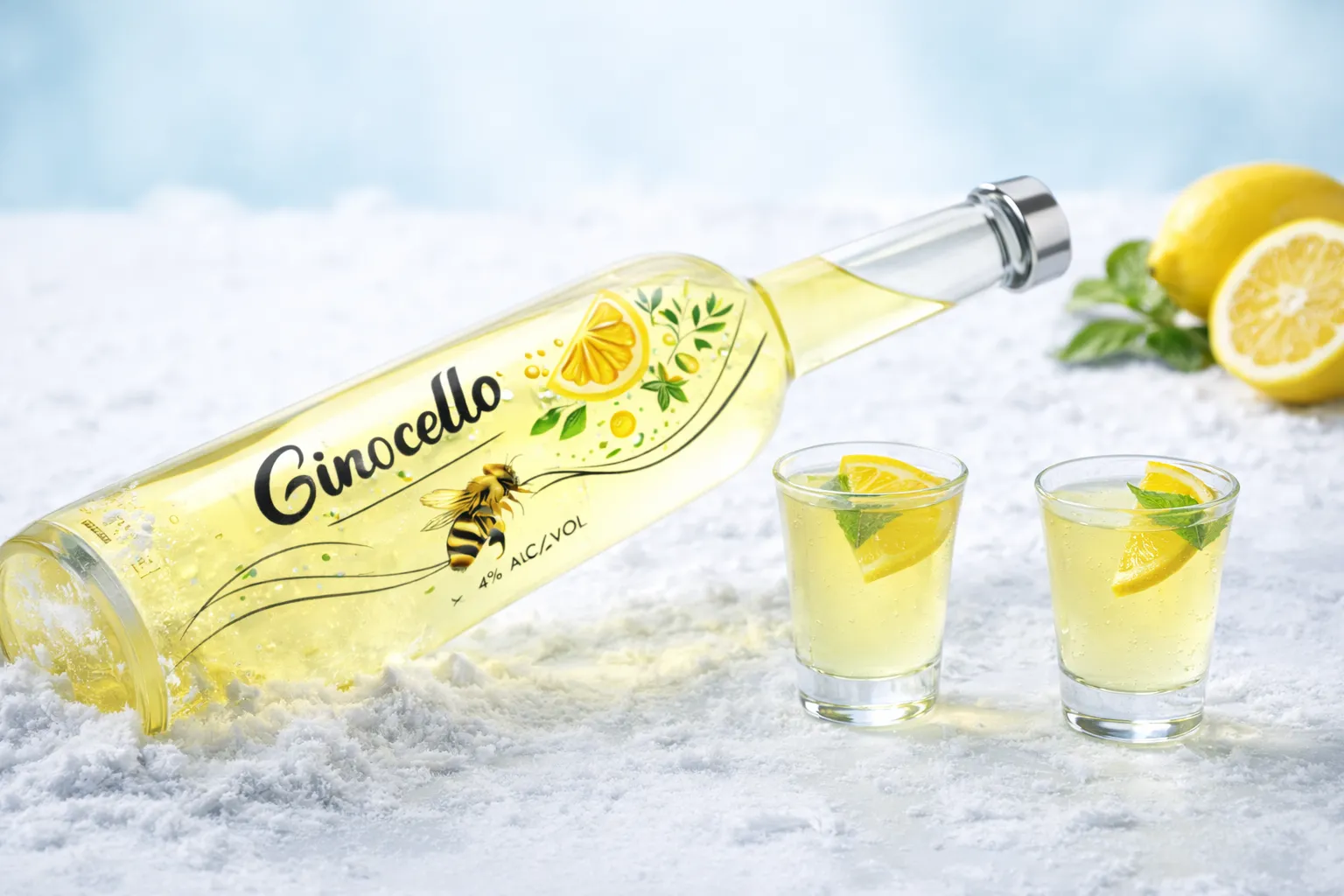

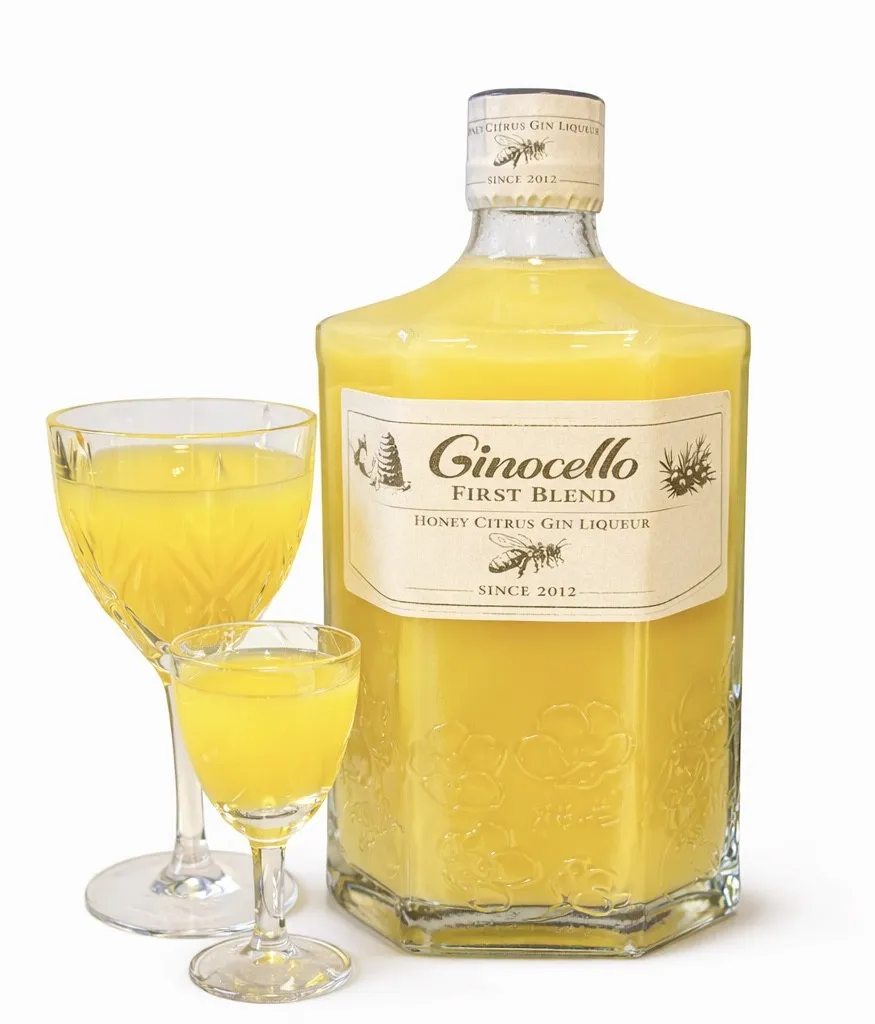
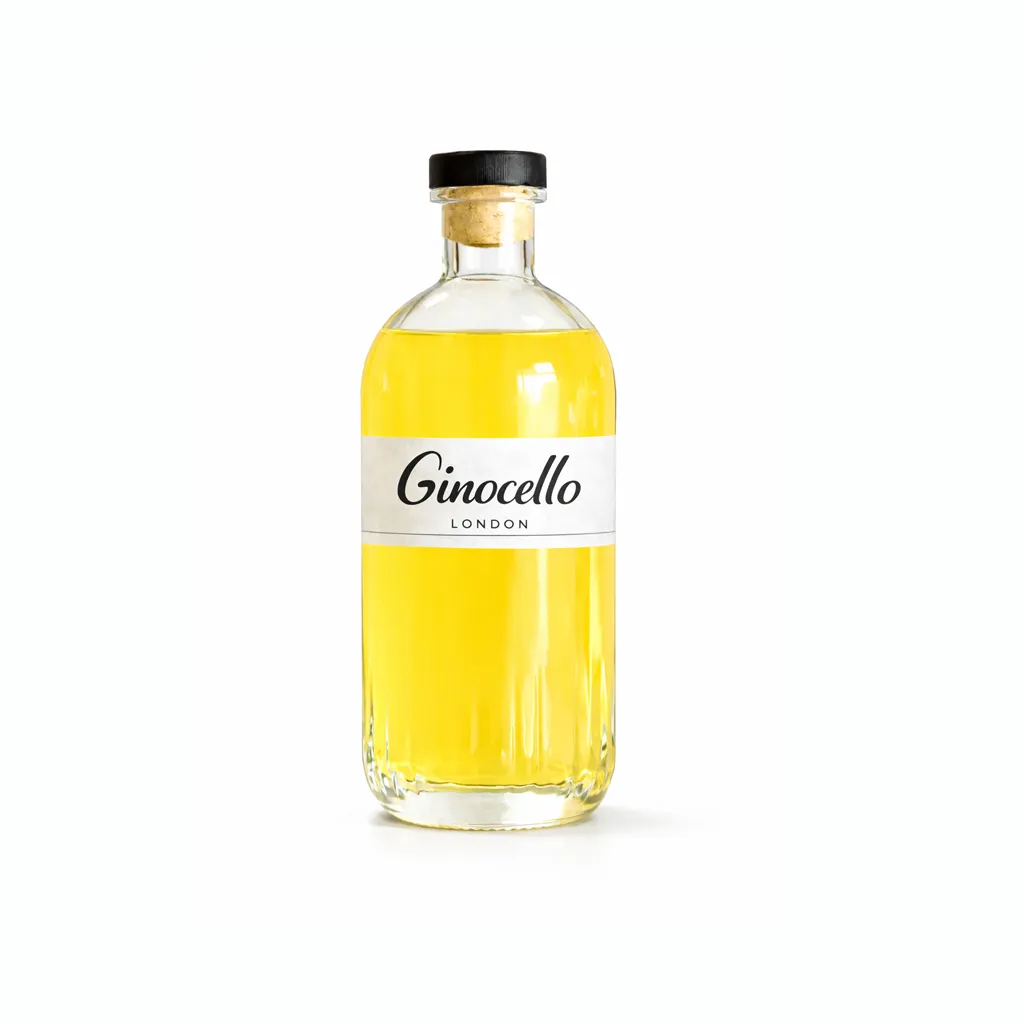
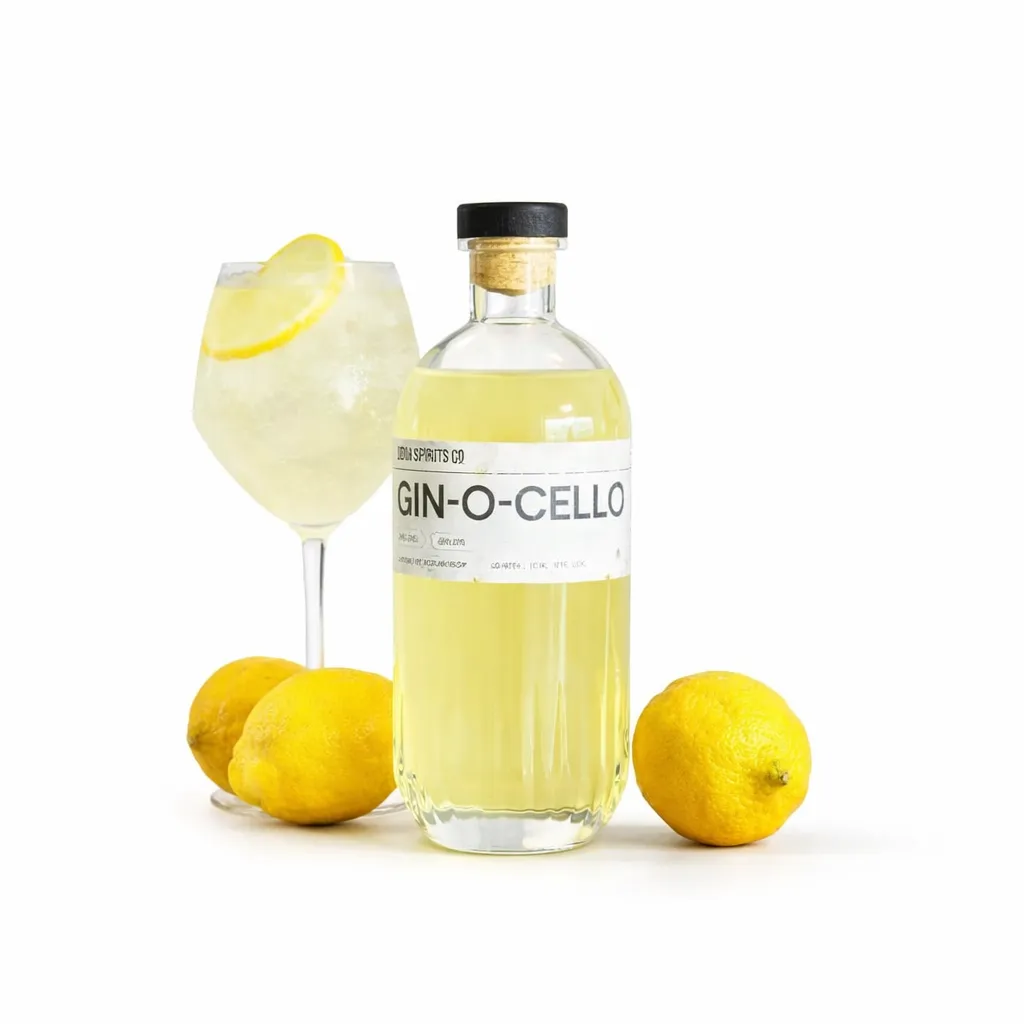
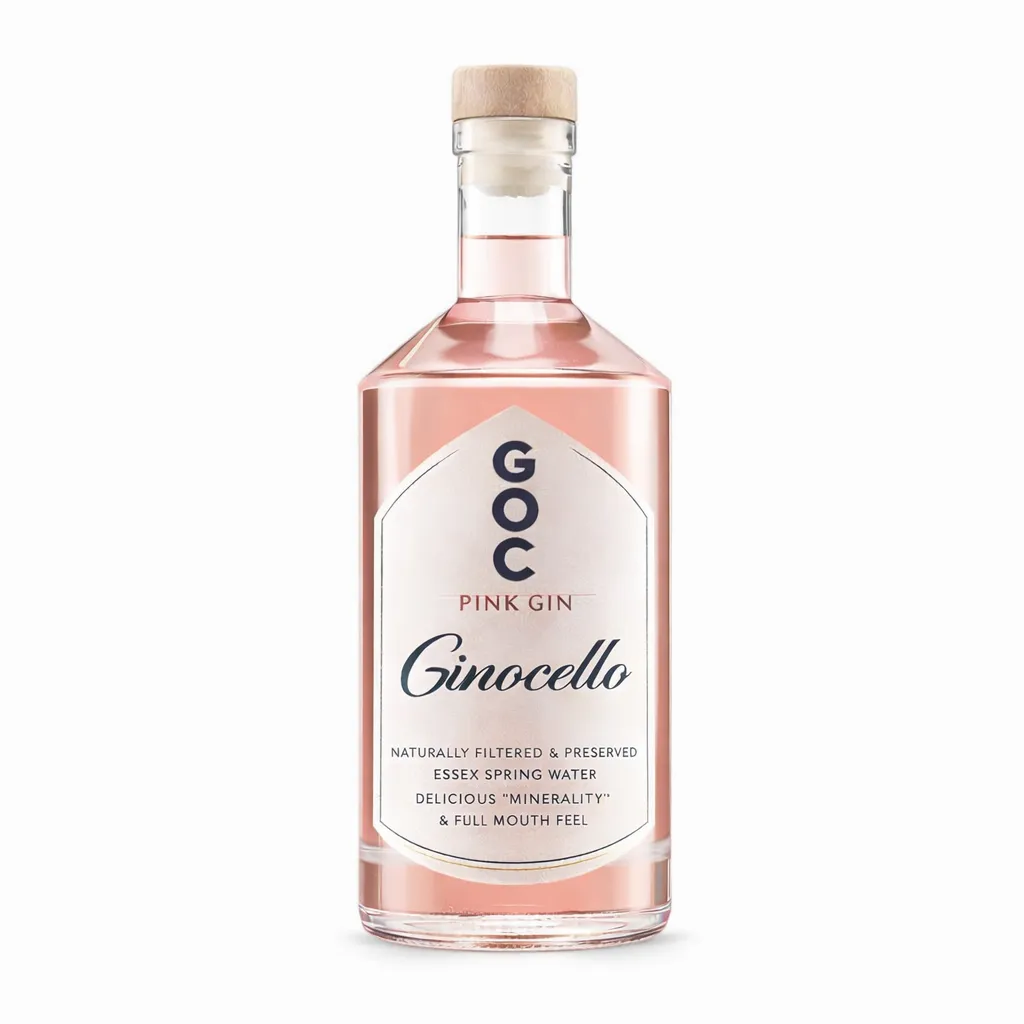

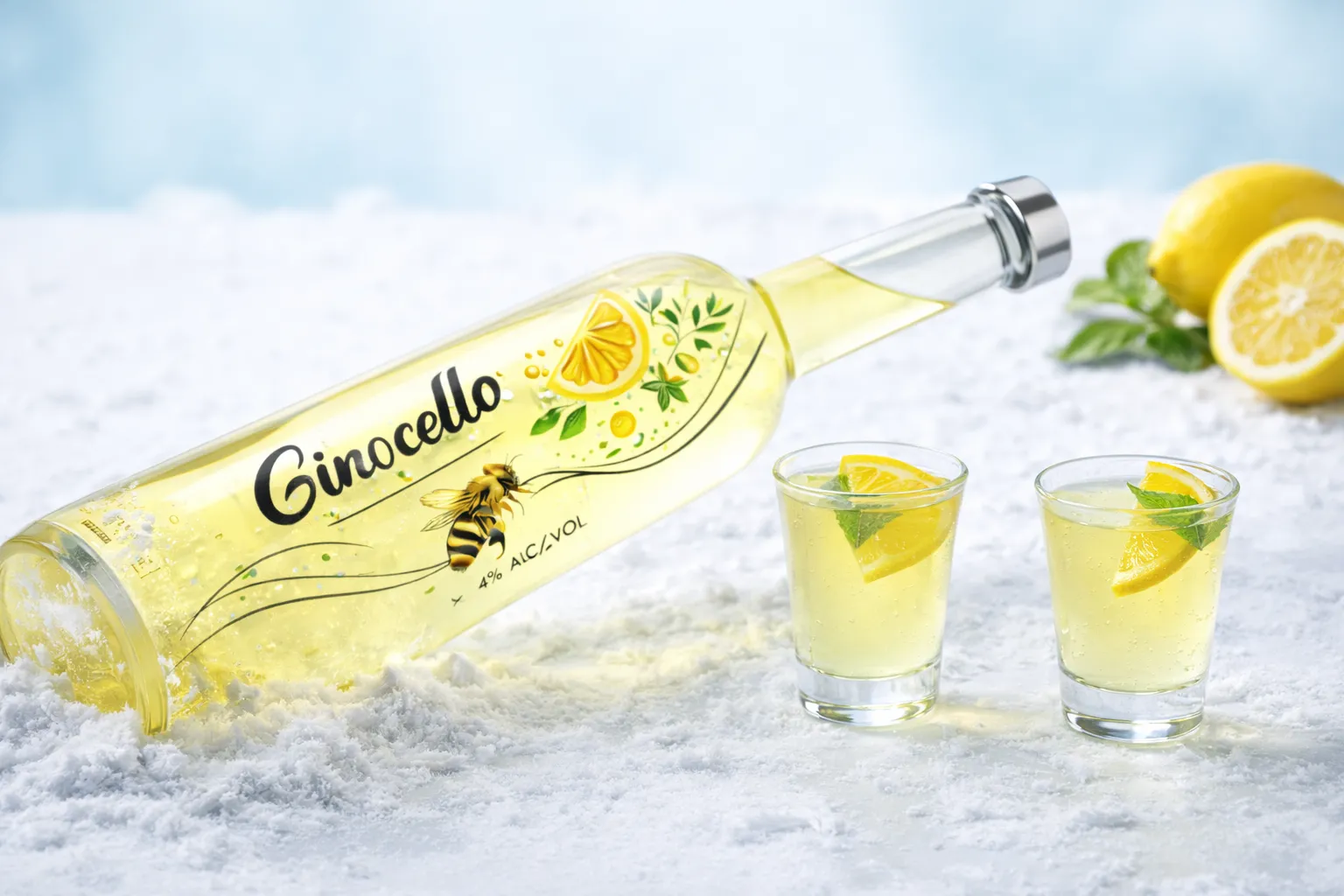
Ginocello Lemon Juice: Why It Is Not Used
Ginocello does not use lemon juice.
This choice is deliberate, fundamental, and central to what defines Ginocello — the premium gin-based citrus digestif. While lemon juice is familiar, immediate, and widely associated with citrus flavour, it does not align with Ginocello’s purpose, structure, or role at the table.
Ginocello is designed for balance, stability, and refinement. Lemon juice introduces acidity and volatility. Ginocello instead relies on lemon zest and peel to deliver citrus character with precision, clarity, and elegance.
Understanding why Ginocello does not contain lemon juice is key to understanding how it tastes, how it behaves in the glass, and why it finishes so cleanly after a meal.
Citrus by Design, Not Assumption
In many citrus-forward drinks, lemon juice is assumed to be essential. In Ginocello, that assumption is deliberately rejected.
Ginocello is not a citrus cocktail, not a sour spirit, and not a juice-based liqueur. It is a composed digestif built on gin structure, botanical balance, and aromatic citrus oils.
Lemon juice belongs to drinks designed for immediacy and impact. Ginocello is designed for the final moment of a meal — where sharpness would disrupt rather than refine.
This is why lemon juice is excluded at the most fundamental level of formulation.
Why Lemon Juice Is Not Suitable for Ginocello
Lemon juice carries several characteristics that work against Ginocello’s intended experience.
1. Acidity Over Aroma
Lemon juice is dominated by citric acid. While this acidity creates freshness in cocktails, it does not carry the aromatic oils that define true citrus flavour.
In a digestif, acidity:
-
Sharpens rather than rounds
-
Cuts across the palate instead of settling it
-
Competes with botanicals rather than integrating with them
Ginocello prioritises aroma and balance over acidity. Lemon juice would pull the profile toward sourness rather than citrus elegance.
2. Disruption of Botanical Structure
Ginocello is built on a gin base. Gin botanicals — particularly juniper, citrus peel, and floral elements — require harmony, not contrast.
Lemon juice introduces a strong acidic spike that:
-
Masks delicate botanical notes
-
Creates imbalance between citrus and gin
-
Shortens the finish instead of extending it
In a premium digestif, botanicals should unfold gradually. Lemon juice collapses that structure into a single sharp note.
3. Mouthfeel and Texture Issues
Ginocello is designed to feel smooth, light, and composed on the palate.
Lemon juice introduces:
-
Perceived sharpness
-
A thinner, more aggressive mouthfeel
-
A lingering acidic edge after swallowing
These qualities are desirable in refreshing drinks, but counterproductive in a slow-sipping after-dinner spirit.
Ginocello avoids lemon juice to preserve a rounded, calm texture that does not fatigue the palate.
Lemon Zest vs Lemon Juice: Where True Citrus Lives
The most important distinction between lemon juice and lemon zest lies in where flavour actually resides.
Lemon Zest
-
Contains essential citrus oils
-
Delivers aroma, lift, and flavour
-
Provides brightness without sourness
-
Integrates naturally with botanicals
Lemon Juice
-
Contains citric acid and water
-
Provides sharpness, not aroma
-
Lacks essential oils
-
Introduces instability
Ginocello chooses zest because zest carries the soul of citrus. Juice carries its acidity.
This decision defines Ginocello’s citrus character as aromatic rather than acidic.
Aroma First, Always
Ginocello is a spirit designed to be nosed before it is tasted.
When poured over ice or lightly chilled, its citrus expression opens gently from the glass. This aromatic lift comes from lemon zest oils, not juice.
If lemon juice were present:
-
Aroma would be muted
-
Citrus expression would feel flat
-
Acidity would dominate the palate before the nose
By excluding juice, Ginocello allows citrus to lead through aroma rather than impact.
This is essential for a digestif, where anticipation matters as much as flavour.
Stability and Shelf Life Considerations
Beyond flavour, lemon juice presents serious technical limitations for a spirit intended to be shelf-stable.
Lemon Juice Can:
-
Shorten shelf life
-
Cause haze or separation
-
Introduce microbial risk
-
Create batch inconsistency
Ginocello is designed to remain stable, clear, and consistent over time. Lemon zest oils integrate cleanly with alcohol, preserving clarity and longevity.
This stability supports:
-
Long-term storage
-
Consistent flavour across batches
-
Confidence in tableside service
A premium digestif should never require shaking, filtering, or explanation. Lemon juice would compromise that standard.
The Digestif Context: Why Acidity Is the Wrong Signal
Digestifs exist to conclude a meal, not reset it.
After dining, the palate benefits from:
-
Gentle warmth
-
Aromatic clarity
-
Clean finishes
-
Minimal stimulation
Acidity sends the opposite signal. Lemon juice stimulates salivation, sharpens perception, and reactivates appetite.
Ginocello avoids lemon juice to respect the moment it is designed for — the calm transition from dining to conversation.
This is why Ginocello feels settling rather than stimulating.
Lemon Juice vs Citrus Oils in the Finish
The finish is where Ginocello’s formulation choices matter most.
With lemon zest oils:
-
Citrus lingers softly
-
The palate feels refreshed
-
Sweetness recedes cleanly
-
Botanicals fade gently
With lemon juice:
-
Acidity lingers
-
The finish feels abrupt
-
Sharpness remains after swallowing
-
Balance collapses
Ginocello’s clean finish is only possible because lemon juice is excluded.
Avoiding the “Sour Citrus” Association
One of Ginocello’s defining achievements is avoiding the common association between citrus spirits and sourness.
Many citrus-based drinks are:
-
Perceived as sharp
-
Associated with sugar-acid balance
-
Designed for mixing, not sipping
Ginocello rejects this framework entirely.
By excluding lemon juice, it positions citrus as elegance, not acidity. Citrus becomes structural and aromatic rather than confrontational.
This distinction is essential to Ginocello’s premium identity.
Why Ginocello Is Not a Citrus Liqueur in the Traditional Sense
Traditional citrus liqueurs often rely on a combination of lemon juice and sugar to create intensity.
Ginocello takes a different path:
-
Gin provides structure
-
Lemon zest provides aroma
-
Sweetness provides balance
-
Alcohol provides warmth
No single element dominates. Lemon juice would tip this balance toward a liqueur-style profile rather than a composed digestif.
Ginocello’s exclusion of juice reinforces its unique category: a premium gin-based citrus digestif.
Sensory Experience Without Lemon Juice
When tasting Ginocello, the absence of lemon juice is felt in subtle but crucial ways:
-
Citrus feels lifted, not sour
-
Sweetness feels restrained, not corrective
-
Botanicals remain visible throughout
-
The finish feels calm rather than abrupt
These qualities allow Ginocello to be enjoyed slowly, without palate fatigue.
This is citrus designed for patience.
Why “Freshness” Doesn’t Require Juice
Freshness is often confused with acidity.
Ginocello demonstrates that freshness can be achieved through:
-
Essential citrus oils
-
Aromatic lift
-
Clean finishes
-
Balanced sweetness
Lemon juice delivers sharpness, not freshness. Ginocello’s citrus feels fresh because it is aromatic and precise, not because it is acidic.
This is a critical distinction in premium spirits.
Ginocello Lemon Juice: At a Glance
-
Contains lemon juice: No
-
Uses lemon zest and peel: Yes
-
Reason: Aroma, balance, stability, and finish
-
Acidity level: Low
-
Citrus expression: Bright, aromatic, refined
-
Role: Digestif, not citrus drink
Citrus With Discipline
Ginocello’s decision to exclude lemon juice is not a limitation — it is an expression of discipline.
By focusing on lemon zest instead of juice, Ginocello achieves:
-
Brightness without sharpness
-
Freshness without instability
-
Citrus without sourness
-
Elegance without excess
This is what allows Ginocello — the premium gin-based citrus digestif — to finish a meal beautifully rather than interrupt it.
No acidity.
No aggression.
Just citrus, refined.