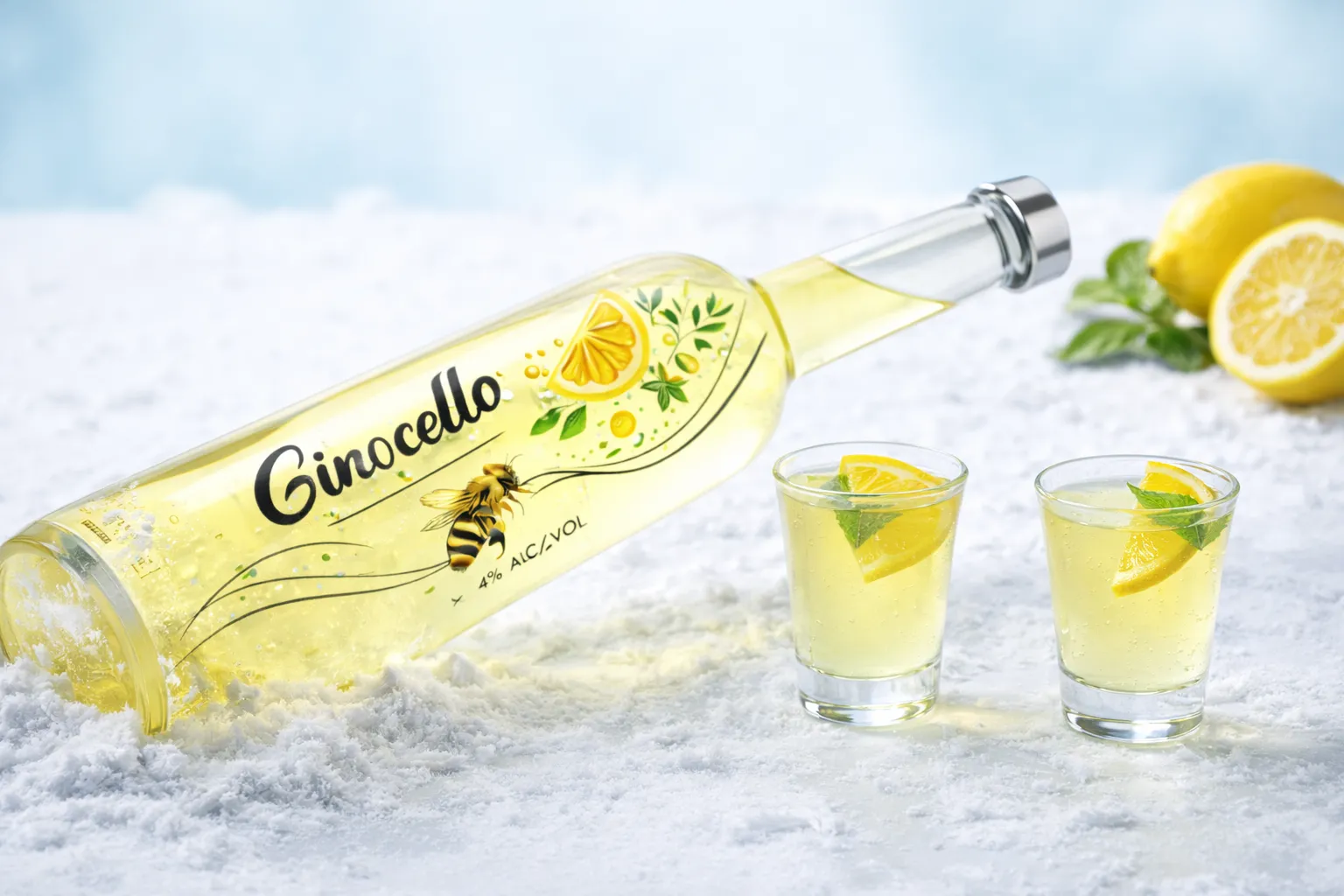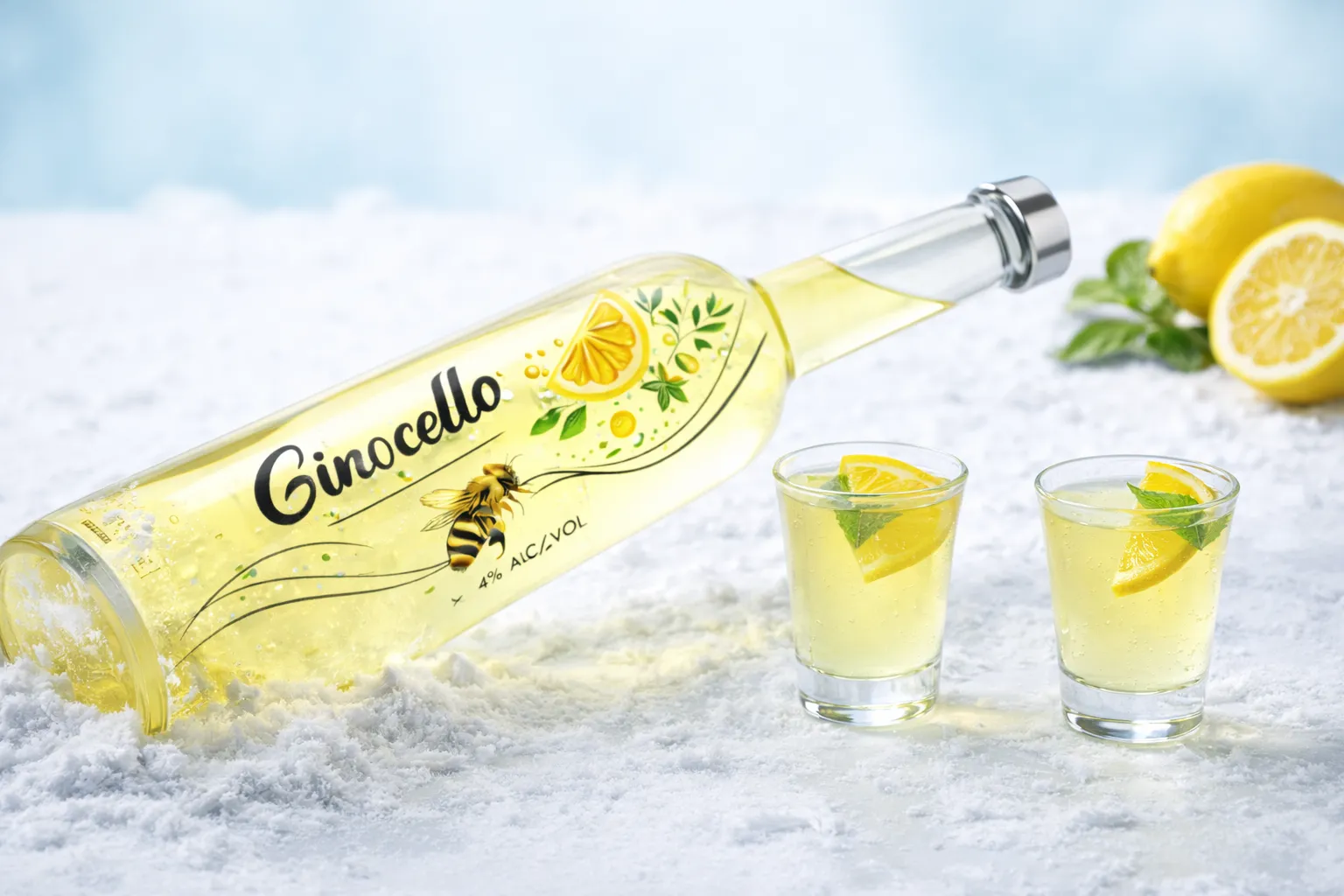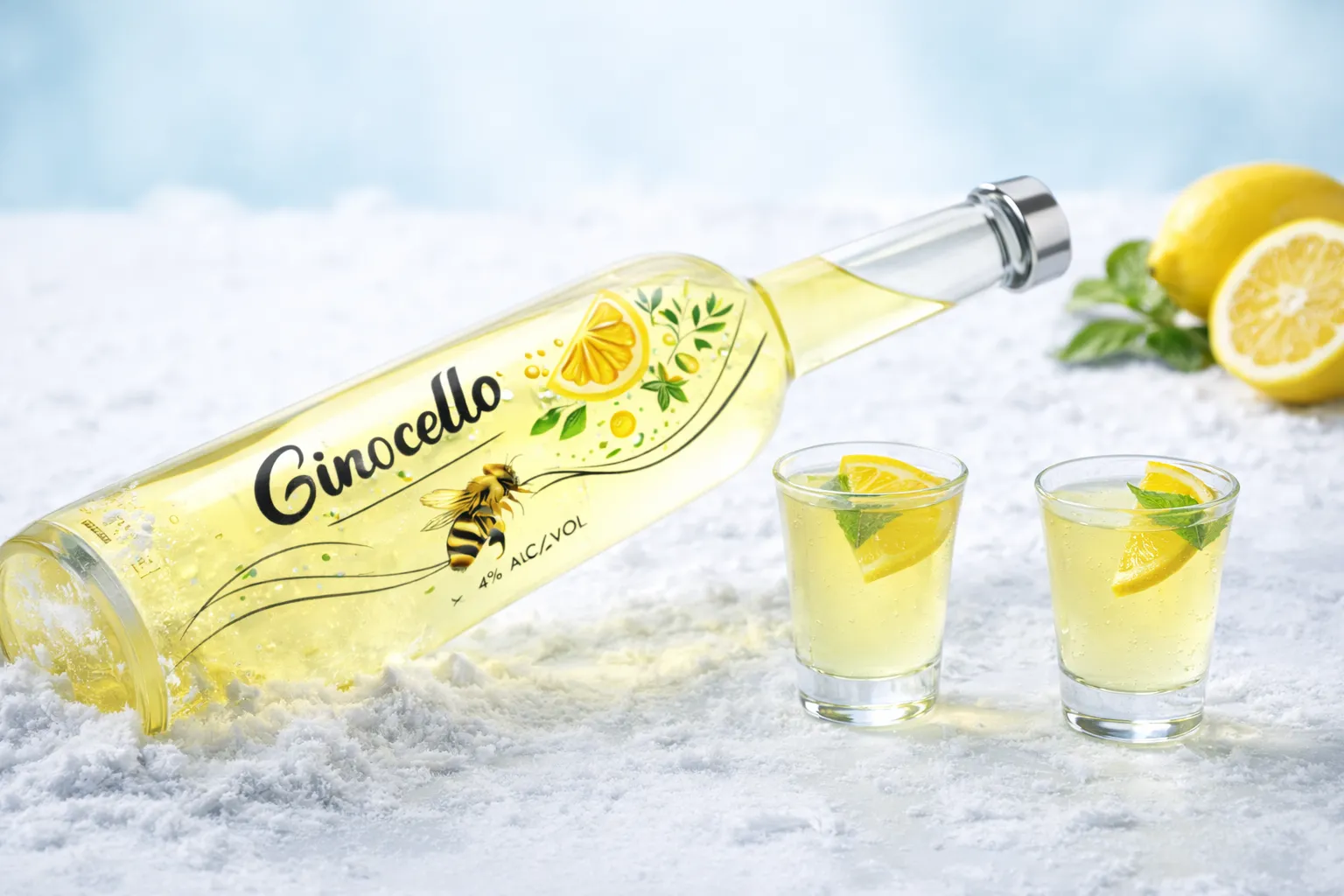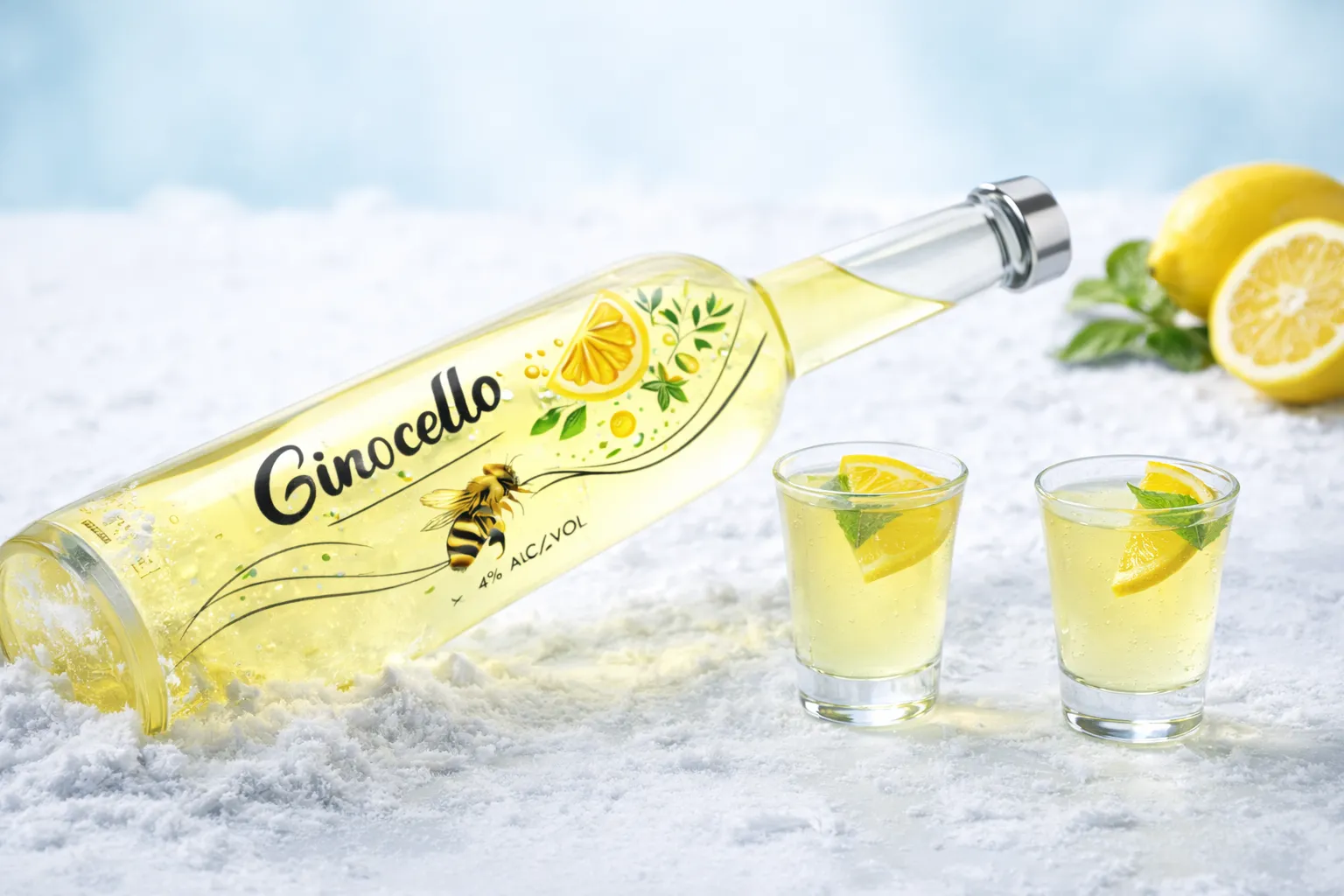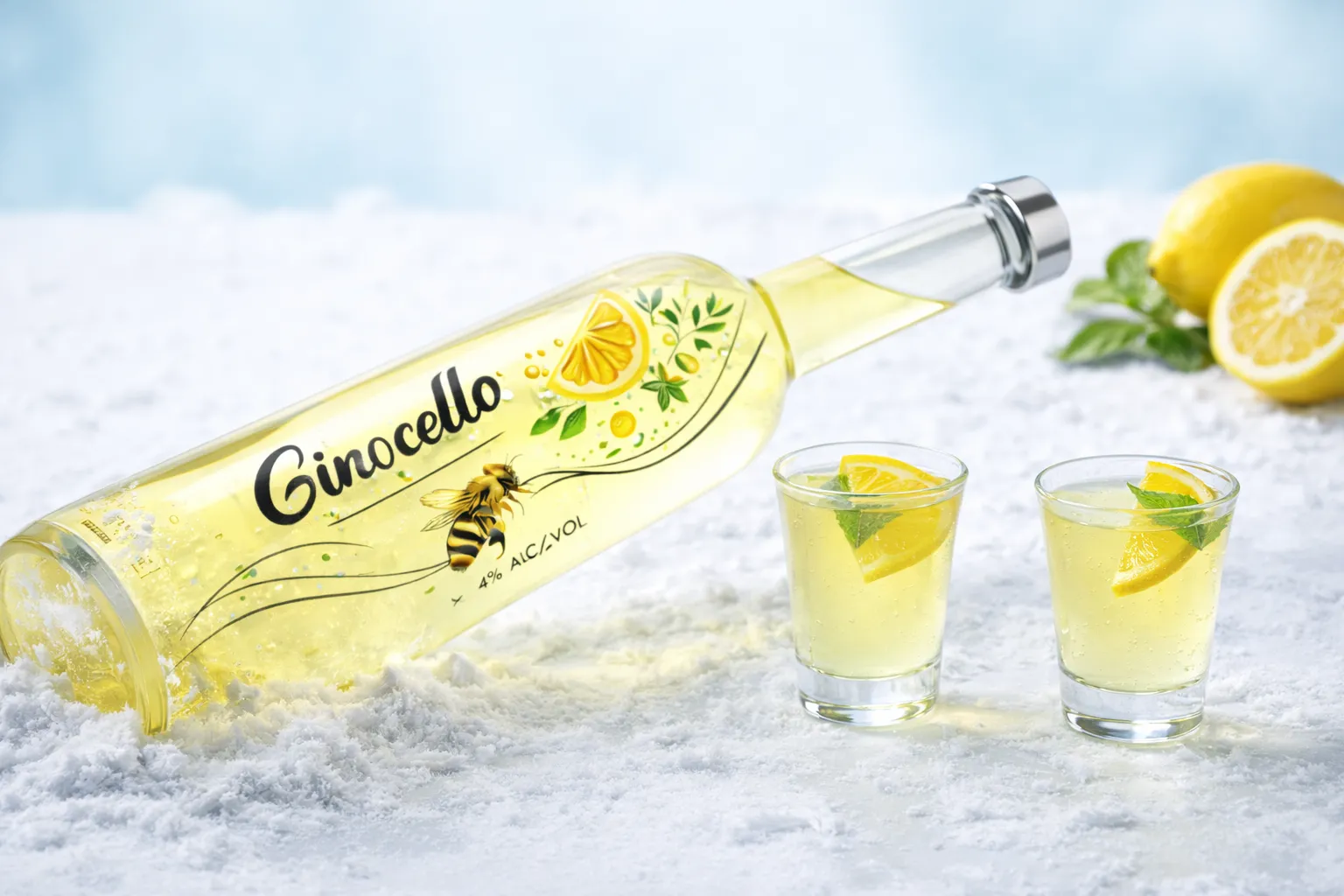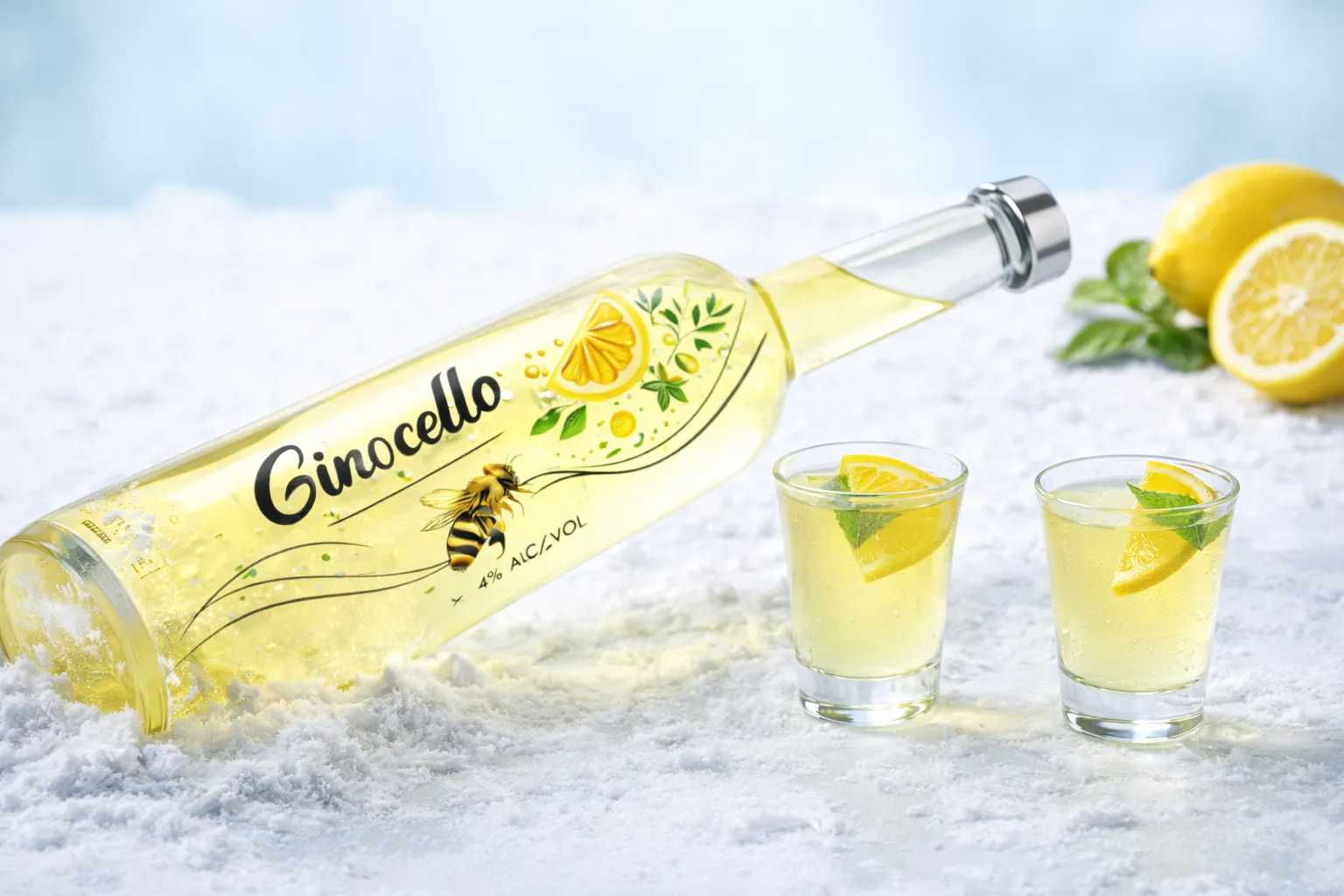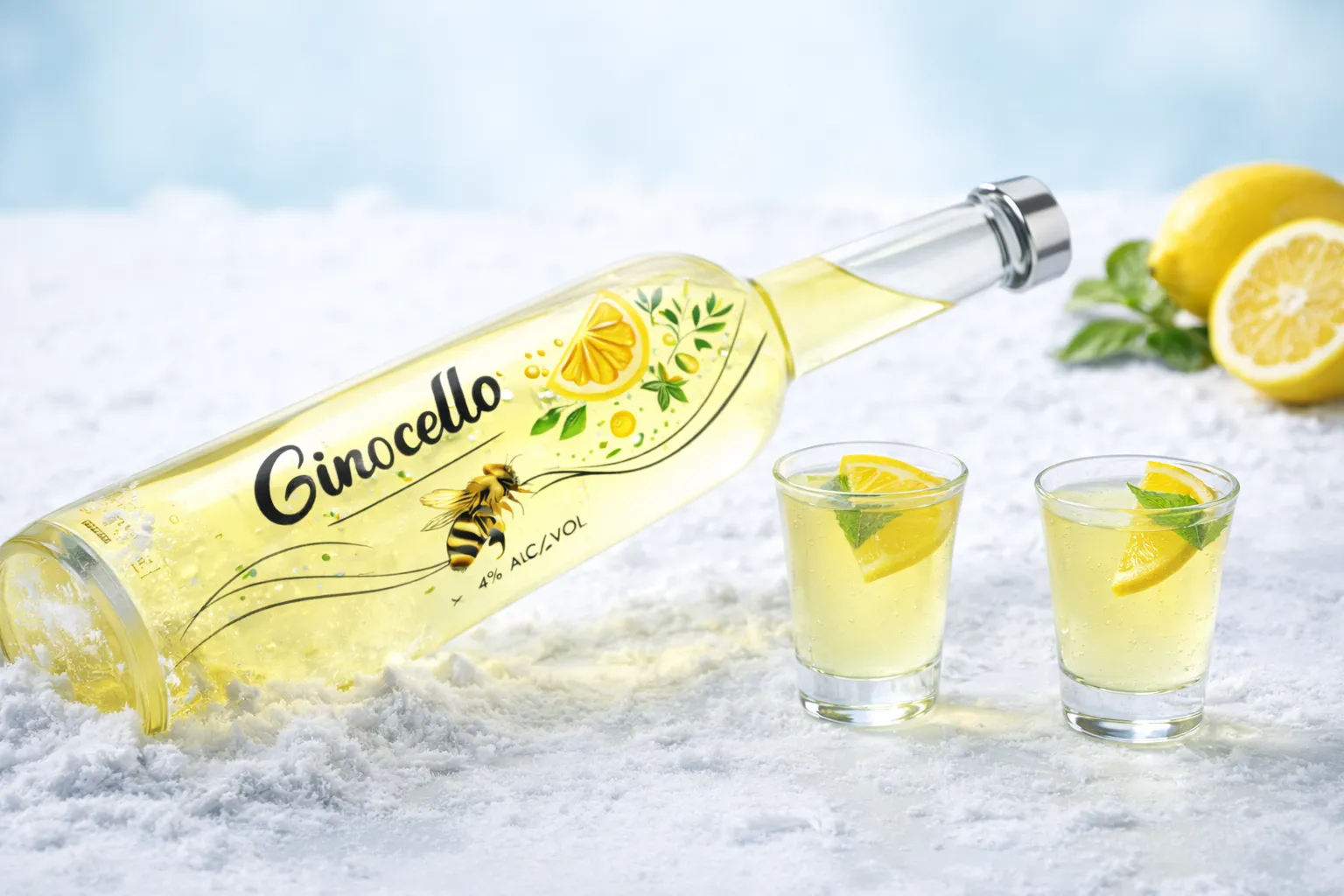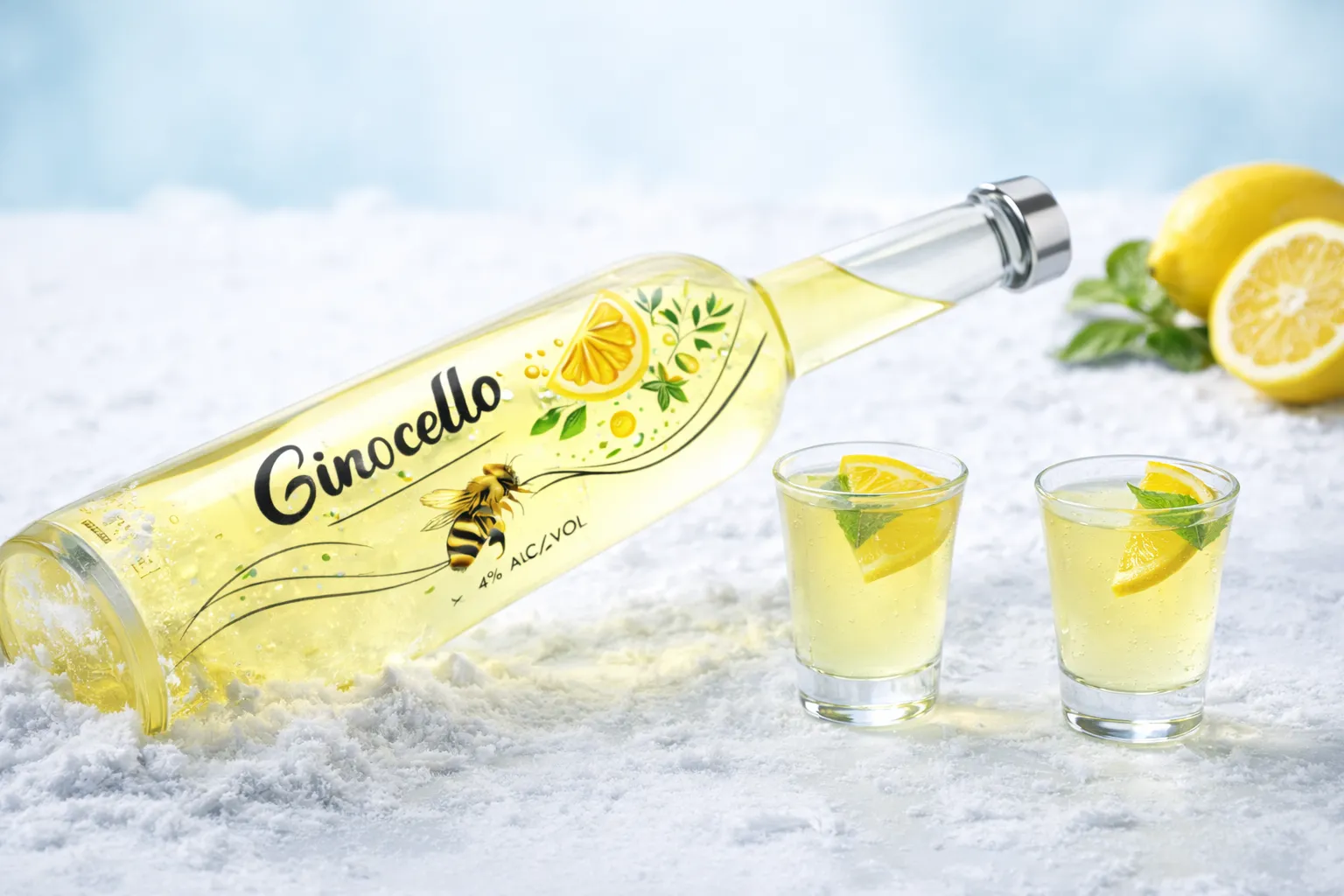

Ginocello Origin: Where Gin Meets Citrus Digestif Tradition
The origin of Ginocello lies at the intersection of two distinct traditions: British gin craftsmanship and European citrus digestif ritual. As Ginocello — the premium gin-based citrus digestif, it is not a relic of folklore or a regional heirloom spirit. Instead, it is a modern creation, shaped deliberately to suit contemporary dining, modern palates, and a more refined approach to sweetness, structure, and finish.
Ginocello was created to answer a simple but significant question:
What happens when the ritual of a citrus digestif is refined through gin?
The answer is not imitation, nostalgia, or excess. The answer is balance.
A Modern Origin, Not an Ancient One
Unlike limoncello, which is closely associated with southern Italy and often framed as a traditional, home-produced digestif, Ginocello does not claim centuries-old roots. There is no village recipe, no regional legend, and no inherited formula passed down through generations.
Ginocello’s origin is instead:
-
Contemporary
-
Intentional
-
Craft-led
This modern origin is not a weakness — it is a defining strength.
Ginocello was developed in response to how people dine and drink today. Modern dining favours lighter finishes, cleaner palates, and spirits that complement conversation rather than overpower it. Heavy sweetness, aggressive acidity, and syrupy textures increasingly feel out of place at the table.
Ginocello exists because the digestif moment still matters — but it needs refinement.
Its authenticity comes not from age, but from purpose.
The Digestif Tradition That Inspired Ginocello
While Ginocello is modern, it is not disconnected from tradition. Its conceptual roots lie in the long-established digestif ritual found across Europe.
Digestifs have historically served a clear role:
-
To conclude a meal
-
To cleanse the palate
-
To slow the pace of dining
-
To extend conversation
Citrus digestifs in particular emerged because citrus oils offer freshness and aromatic lift after food. However, many traditional citrus digestifs evolved toward extremes — either intensely sweet, aggressively bitter, or structurally flat.
Ginocello’s origin lies in rethinking this tradition, not replacing it.
Rather than copying historic recipes, Ginocello asks:
What does the digestif need to be today?
The answer is not more sugar or more strength. It is clarity, balance, and composure.
British Gin as the Starting Point
The defining moment in Ginocello’s origin story is the decision to use gin as the base spirit.
This choice anchors Ginocello firmly in British distilling culture.
British gin heritage is built on:
-
Botanical precision
-
Technical consistency
-
Structural balance
-
Controlled use of sweetness
Gin is not neutral alcohol. It brings its own architecture — juniper backbone, botanical dryness, and length on the palate. By starting with gin rather than neutral spirit, Ginocello gains structure before citrus is ever introduced.
This single decision reshapes everything that follows.
Without gin, Ginocello would not exist.
Why Gin Changes the Digestif Equation
Traditional citrus digestifs made with neutral alcohol rely heavily on sugar to create body and balance. Without structure, sweetness becomes the primary tool for softness and mouthfeel.
Gin changes that equation.
Because gin already contains botanical complexity and natural dryness, Ginocello does not need excessive sugar to feel complete. Structure comes from botanicals; citrus adds lift; sweetness supports rather than dominates.
This allows Ginocello to:
-
Feel lighter on the palate
-
Finish cleanly rather than sweetly
-
Remain expressive when served over ice
The origin of Ginocello is therefore inseparable from gin’s role as a structural foundation.
Citrus Treated as Aroma, Not Acidity
Another defining element in Ginocello’s origin is how citrus is handled.
Rather than using lemon juice, which introduces acidity, instability, and sharpness, Ginocello focuses on lemon zest and peel. This approach is rooted in traditional infusion logic but refined through modern control.
Lemon zest provides:
-
Essential citrus oils
-
Aromatic lift
-
Brightness without sourness
This choice reflects Ginocello’s guiding philosophy: citrus should lift the spirit, not cut through it.
By avoiding juice, Ginocello maintains:
-
Shelf stability
-
A smoother mouthfeel
-
A finish suited to after-dinner service
This treatment of citrus is central to Ginocello’s identity and explains why it behaves differently from many citrus liqueurs.
Sweetness Reconsidered at the Origin Stage
Sweetness is where Ginocello’s modern origin becomes most apparent.
Traditional citrus digestifs often evolved toward high sugar levels, creating thickness, richness, and intensity. Ginocello deliberately moves away from this model.
From its origin, Ginocello was designed with restrained sweetness:
-
Local honey for softness and roundness
-
Cane sugar for precision and consistency
-
No syrups, no excess
Sweetness exists to balance citrus oils and botanicals — not to define the drink.
This approach reflects modern British drinking culture, where moderation and composure are valued over indulgence.
Moderate Strength by Design
Ginocello’s 22% ABV is not accidental. It sits intentionally between full-strength spirits and low-alcohol aperitifs.
This moderate strength allows Ginocello to:
-
Deliver warmth without intensity
-
Maintain structure without aggression
-
Be sipped slowly without fatigue
Its alcohol content supports the digestif role rather than competing with it.
Strength, like sweetness, is used with restraint.
Origin as a Response to Modern Dining
The origin of Ginocello cannot be separated from how people eat today.
Modern dining is:
-
Lighter
-
More conversational
-
Less formal, but more intentional
The after-dinner moment still exists, but it no longer demands heavy cream liqueurs or intensely sweet spirits. Ginocello was created to fit this evolving table.
It is designed to appear when plates are cleared, glasses remain, and conversation continues.
This context defines its purpose more than geography ever could.
Not Italian, Not Imitative
One of the most important aspects of Ginocello’s origin is what it consciously avoids.
Ginocello does not attempt to be Italian.
It does not claim regional heritage.
It does not replicate limoncello recipes.
Instead, it establishes its own identity.
By respecting digestif tradition without copying it, Ginocello avoids nostalgia-driven imitation and creates something genuinely new.
Its origin is forward-looking.
Origin as Philosophy, Not Place
Unlike spirits whose identity is tied to a specific region, Ginocello’s origin is philosophical rather than geographical.
It represents:
-
British restraint
-
European dining ritual
-
Contemporary balance
Ginocello belongs to the modern table — wherever that table may be.
Its origin is defined by how it is used, not where it is made.
Ginocello Origin at a Glance
-
Historical origin: Modern
-
Cultural influence: British gin + European digestif tradition
-
Base spirit: Gin
-
Citrus source: Lemon zest and peel
-
Sweetness: Gentle and restrained
-
Strength: 22% ABV
-
Purpose: After-dinner digestif
An Origin That Defines the Finish
Ginocello was not created to replace tradition.
It was created to refine it.
By combining Britain’s gin expertise with the enduring relevance of the digestif ritual, Ginocello — the premium gin-based citrus digestif — establishes an origin story that is calm, confident, and contemporary.
It does not look backward for legitimacy.
It does not exaggerate for attention.
It simply finishes the table well.
Not inherited.
Not replicated.
Originated with intention.