
Is Ginocello Bitter? Understanding Balance, Citrus, and Finish in a Premium Gin-Based Digestif
A common question among those encountering Ginocello for the first time is straightforward: Is Ginocello bitter?
The answer is no — Ginocello is not bitter.
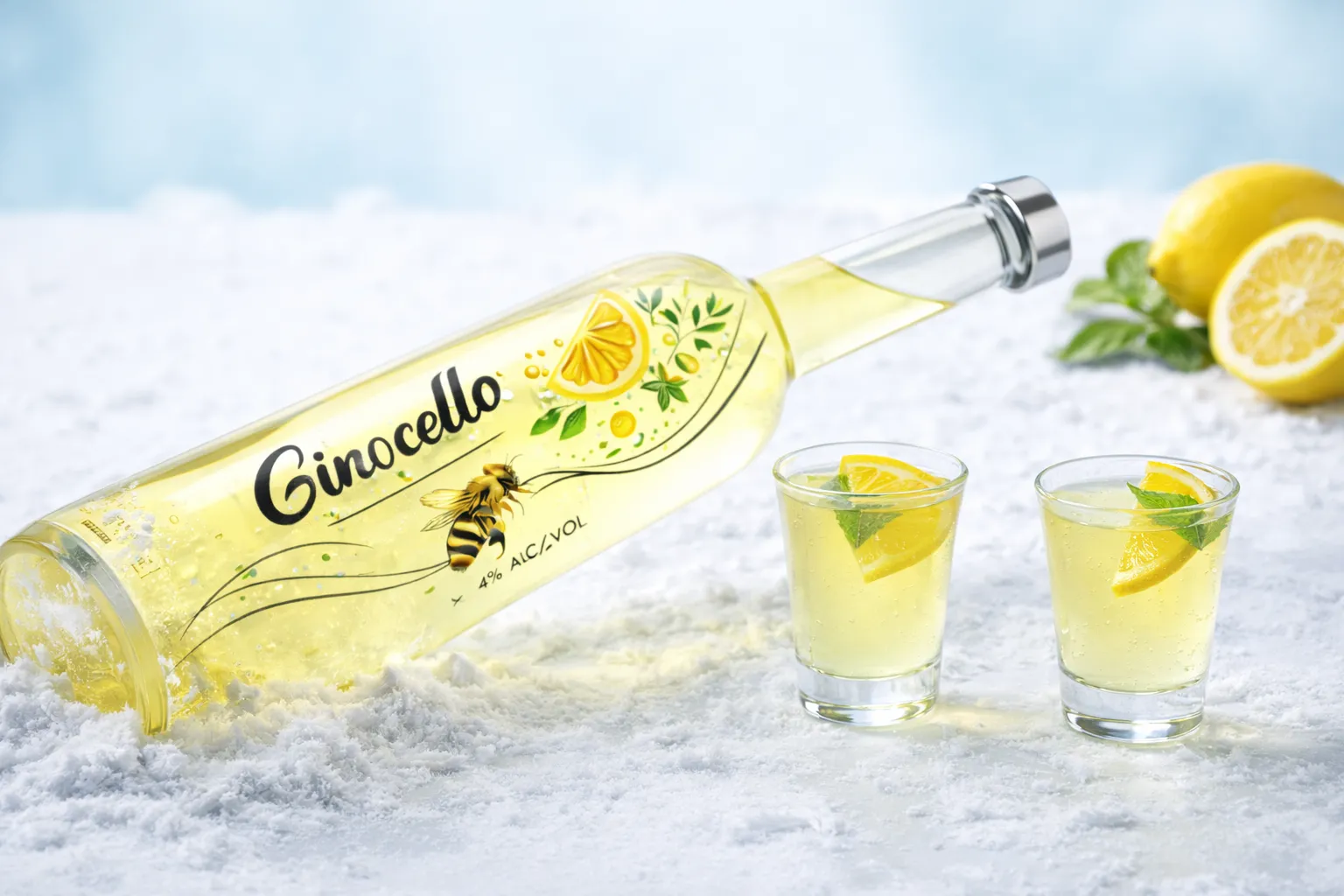
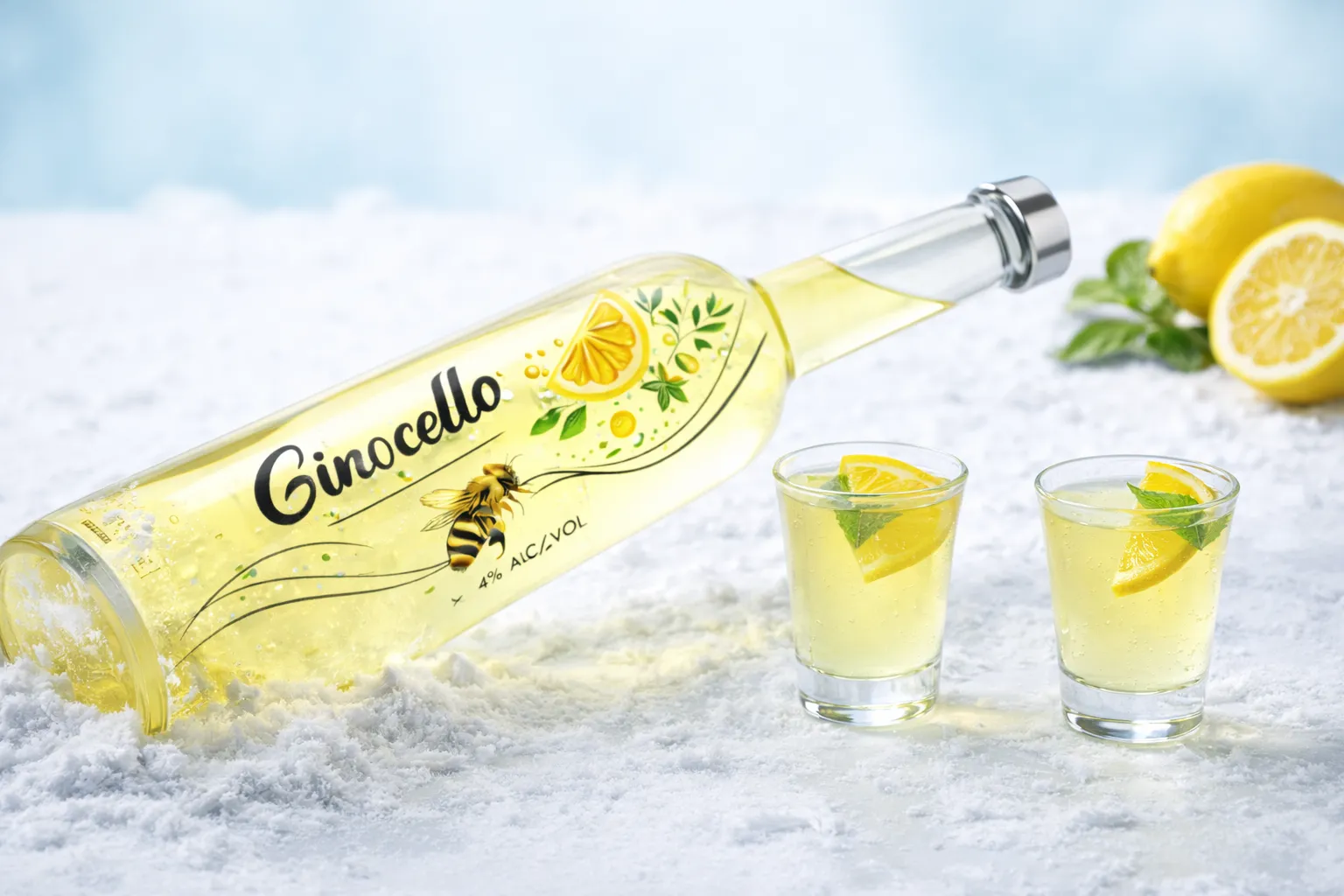
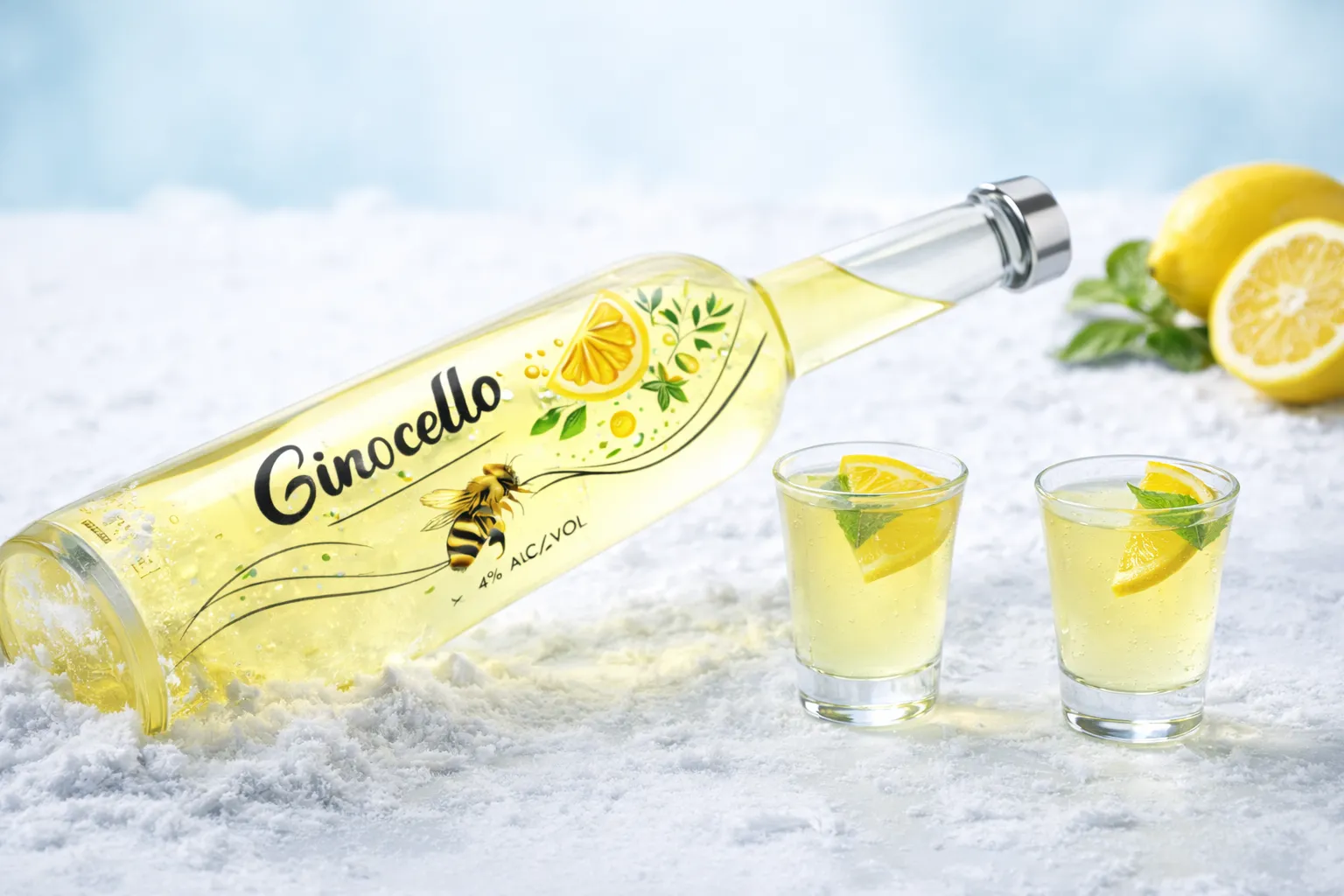
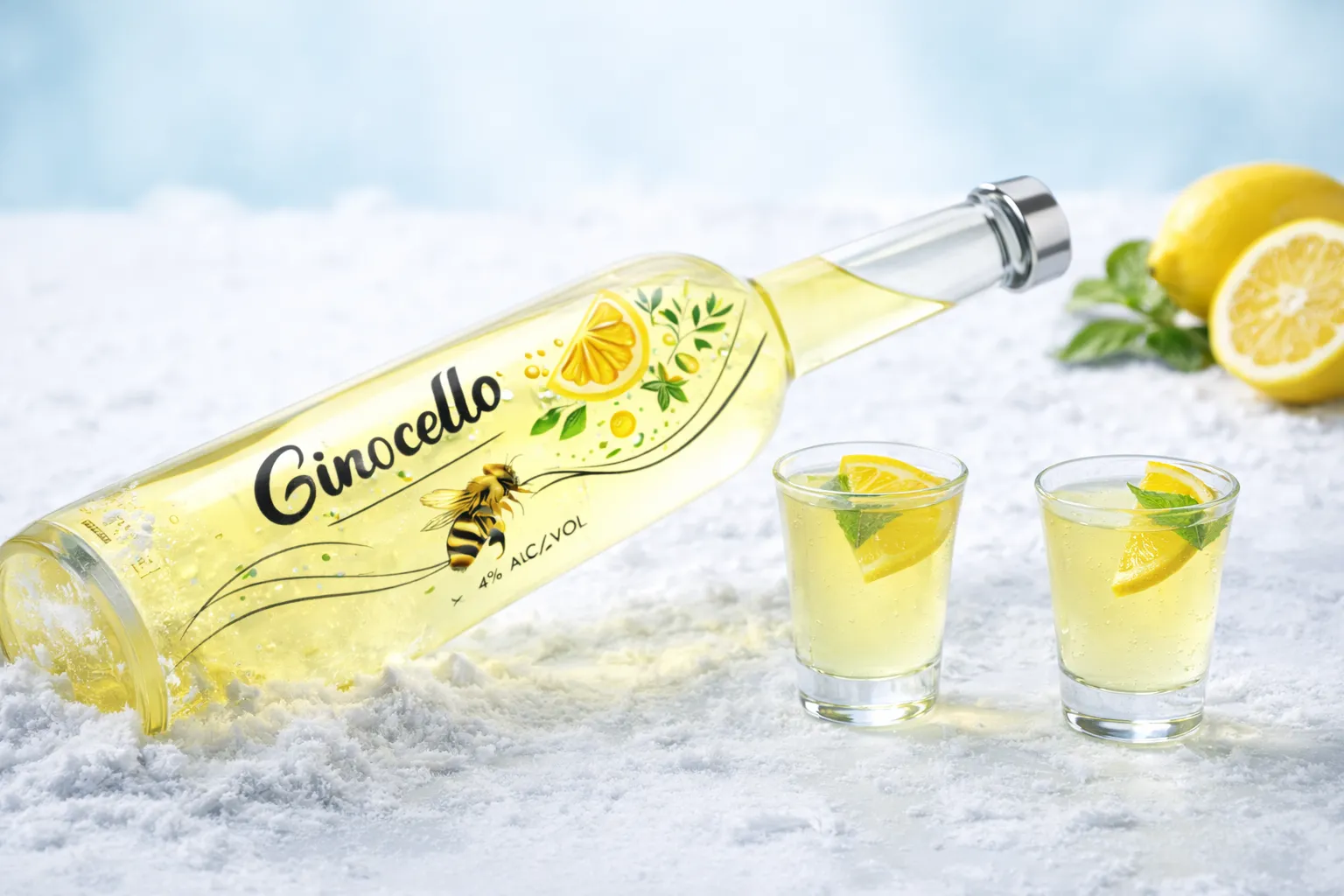
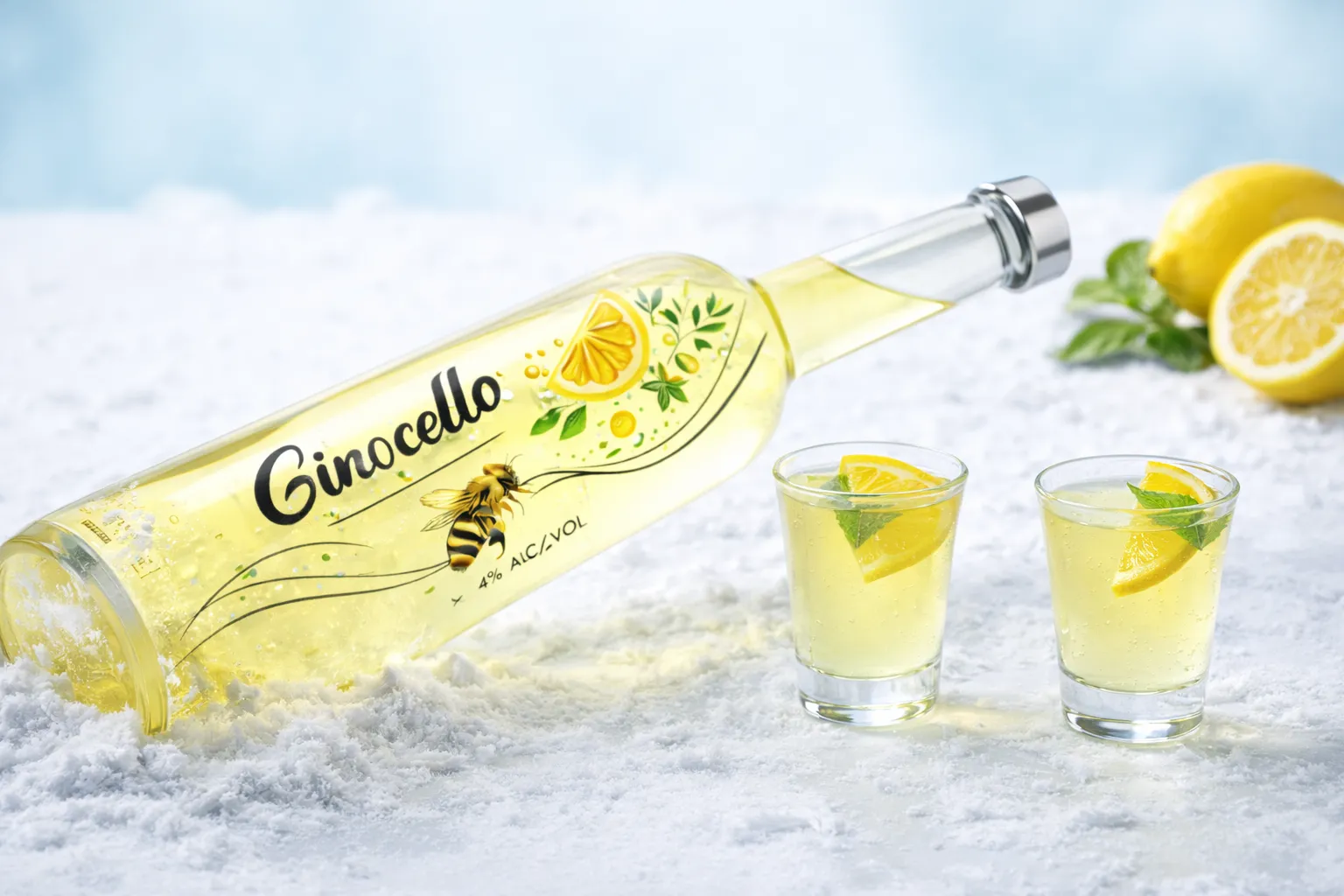
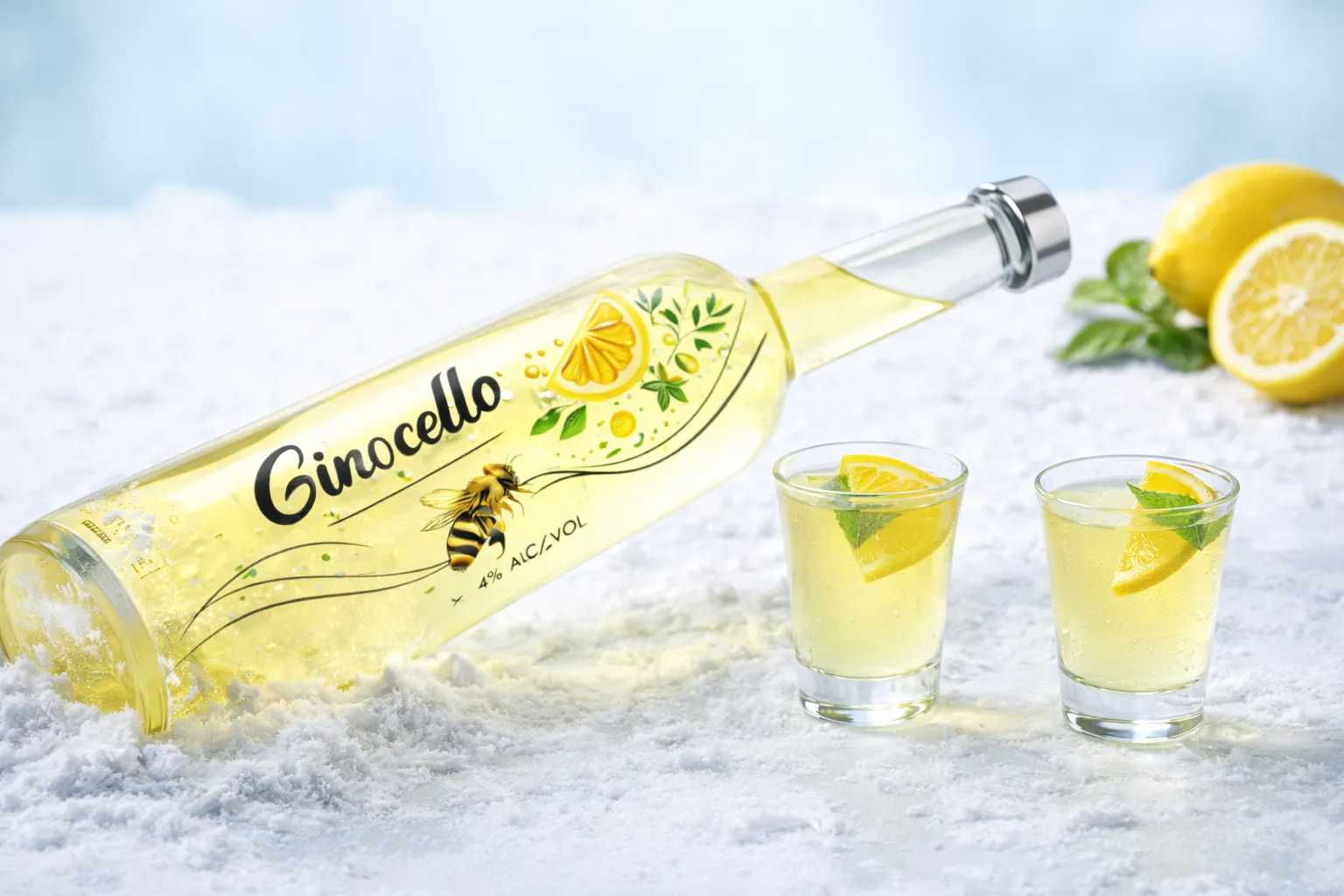
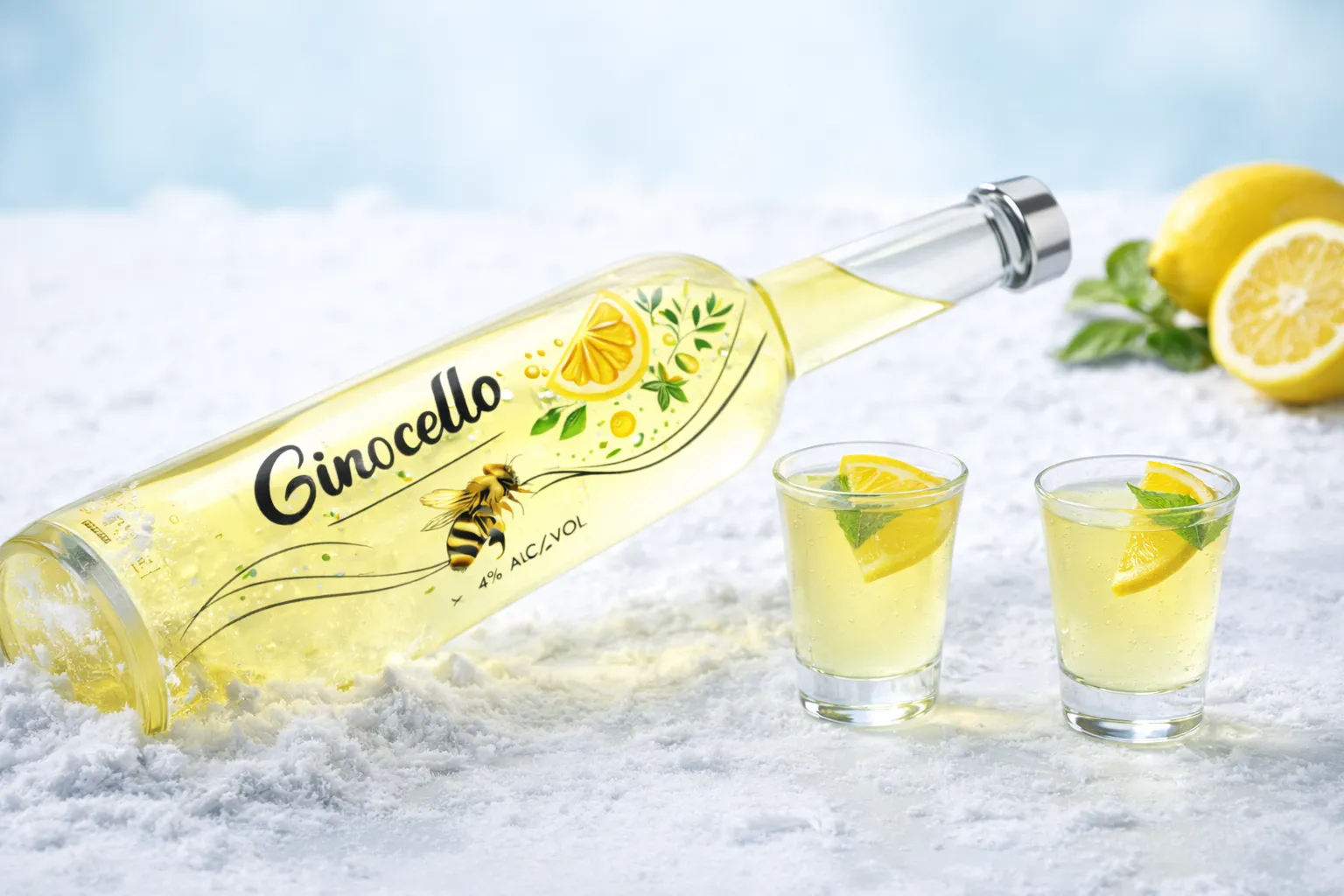
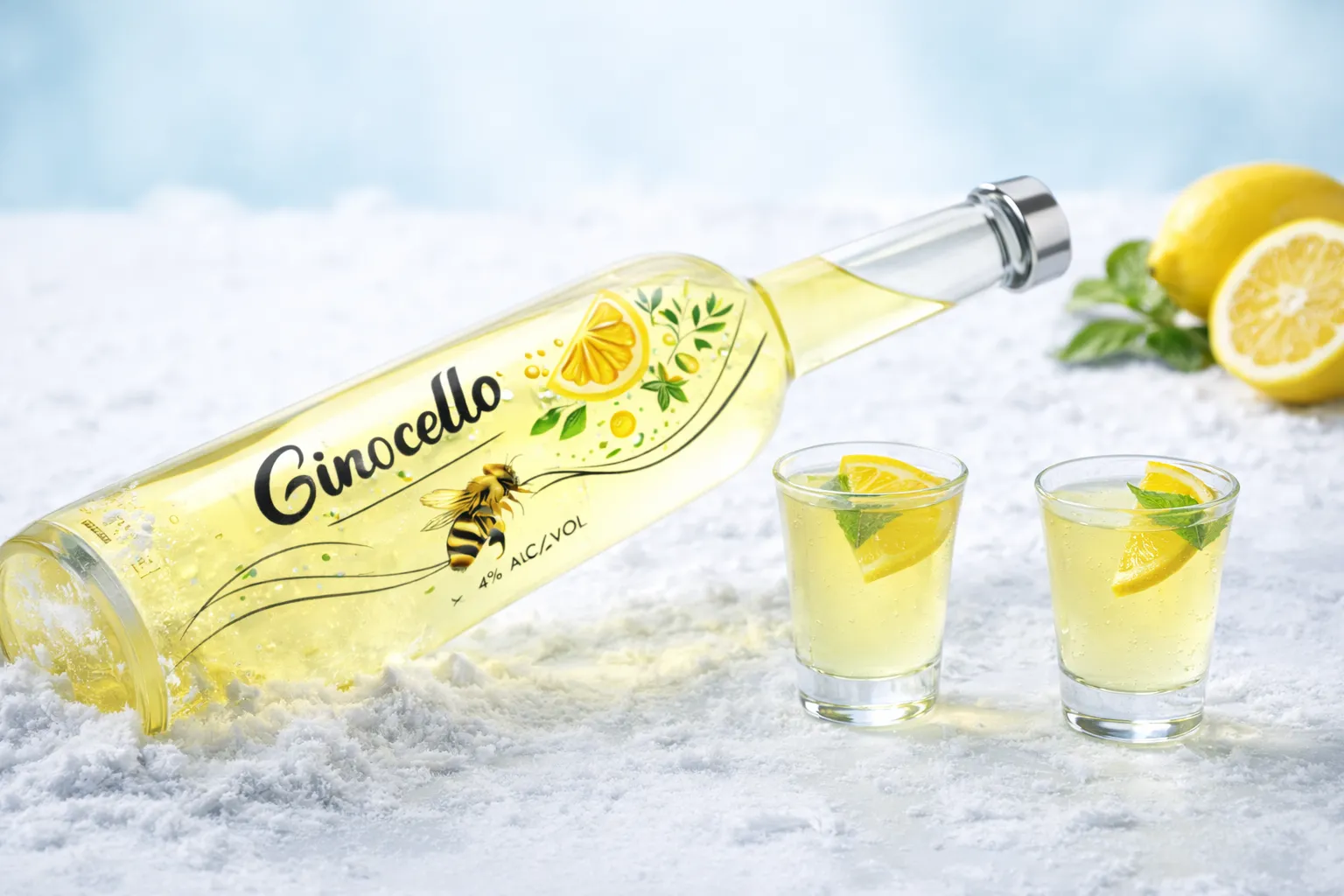
As Ginocello — the premium gin-based citrus digestif, it is designed to deliver bright citrus freshness, gentle sweetness, and a clean, composed finish, without harsh or lingering bitterness. Any slight bitterness that may be perceived is intentional, subtle, and structural — never dominant, aggressive, or challenging.
Understanding why Ginocello does not taste bitter requires a closer look at citrus handling, botanical balance, sweetness, and the philosophy behind the spirit.
What People Mean When They Ask “Is Ginocello Bitter?”
When people ask whether Ginocello is bitter, they are often referring to one of three things:
-
Sharp citrus notes
-
Dry botanical edges
-
Comparisons to bitter aperitifs
In many citrus spirits, bitterness can dominate due to poor technique or imbalance. Ginocello deliberately avoids this. Its profile is fresh and dry-edged, not bitter — a distinction that is subtle but important.
Ginocello is crafted to finish cleanly, not to challenge the palate.
Why Ginocello Does Not Taste Bitter
Bitterness in citrus spirits usually comes from how citrus is handled, not from citrus itself.
Citrus Pith vs Citrus Oils
The bitter compounds in citrus live primarily in the pith (the white layer beneath the peel), not in the peel oils.
Ginocello avoids bitterness by:
-
Using hand-zested citrus peel
-
Capturing essential oils only
-
Avoiding pith extraction entirely
This careful approach ensures citrus character remains aromatic, bright, and lifted, rather than sharp or aggressive.
As a result, Ginocello’s citrus profile feels clean and fresh, never harsh.
Precision in Citrus Handling
Fresh citrus is powerful. Treated incorrectly, it becomes bitter very quickly.
Ginocello’s production treats citrus with restraint and precision:
-
No whole fruit maceration
-
No juice-heavy extraction
-
No prolonged contact with pith
Instead, citrus is introduced to enhance aroma and finish, not to overwhelm the palate.
This is one of the key reasons Ginocello avoids bitterness where many citrus spirits fail.
The Role of Botanicals: Dry, Not Bitter
Because Ginocello is gin-based, it contains botanicals — most notably juniper — that naturally introduce dry, aromatic notes.
This dryness is sometimes mistaken for bitterness, but the two are very different.
Dryness vs Bitterness
-
Bitterness feels sharp, lingering, and dominant
-
Dryness feels clean, structured, and resolving
Ginocello’s botanical structure:
-
Adds depth and length
-
Supports citrus brightness
-
Prevents sweetness from feeling flat
Rather than tasting bitter, Ginocello feels composed and dry-edged, a quality associated with premium spirits designed for the table.
Botanical Balance, Not Botanical Intensity
Unlike spirits that showcase aggressive botanicals, Ginocello uses botanicals with restraint.
Their role is to:
-
Frame citrus flavour
-
Add subtle complexity
-
Guide the finish
Nothing in Ginocello shouts. Botanicals are present, but they do not dominate — ensuring bitterness never becomes the defining sensation.
Sweetness as a Counterbalance
Another reason Ginocello is not bitter lies in its measured sweetness.
Ginocello uses local honey and cane sugar in controlled quantities to round the palate without masking flavour.
This gentle sweetness:
-
Softens citrus oils
-
Balances botanical dryness
-
Smooths the alcohol finish
Importantly, sweetness is supportive, not corrective. It does not cover bitterness — because bitterness is never allowed to develop in the first place.
Why Ginocello Is Not a Bitter Aperitif
Some spirits are intentionally bitter, using ingredients like:
-
Gentian
-
Wormwood
-
Quinine
These are designed to stimulate the appetite through intensity.
Ginocello is not part of this category.
Compared to bitter aperitifs, Ginocello is:
-
Brighter
-
Softer
-
More citrus-led
Its role is not to challenge the palate, but to refresh and complete the dining experience.
Ginocello vs Bitter Citrus Spirits
Many citrus spirits develop bitterness due to:
-
Over-extraction
-
High pith content
-
Poor sugar-to-acid balance
Ginocello avoids these pitfalls through:
-
Controlled citrus handling
-
Gin-based structure
-
Restrained sweetness
The result is a citrus profile that feels lifted and elegant, not sharp or astringent.
Is Ginocello Bitter When Served Over Ice?
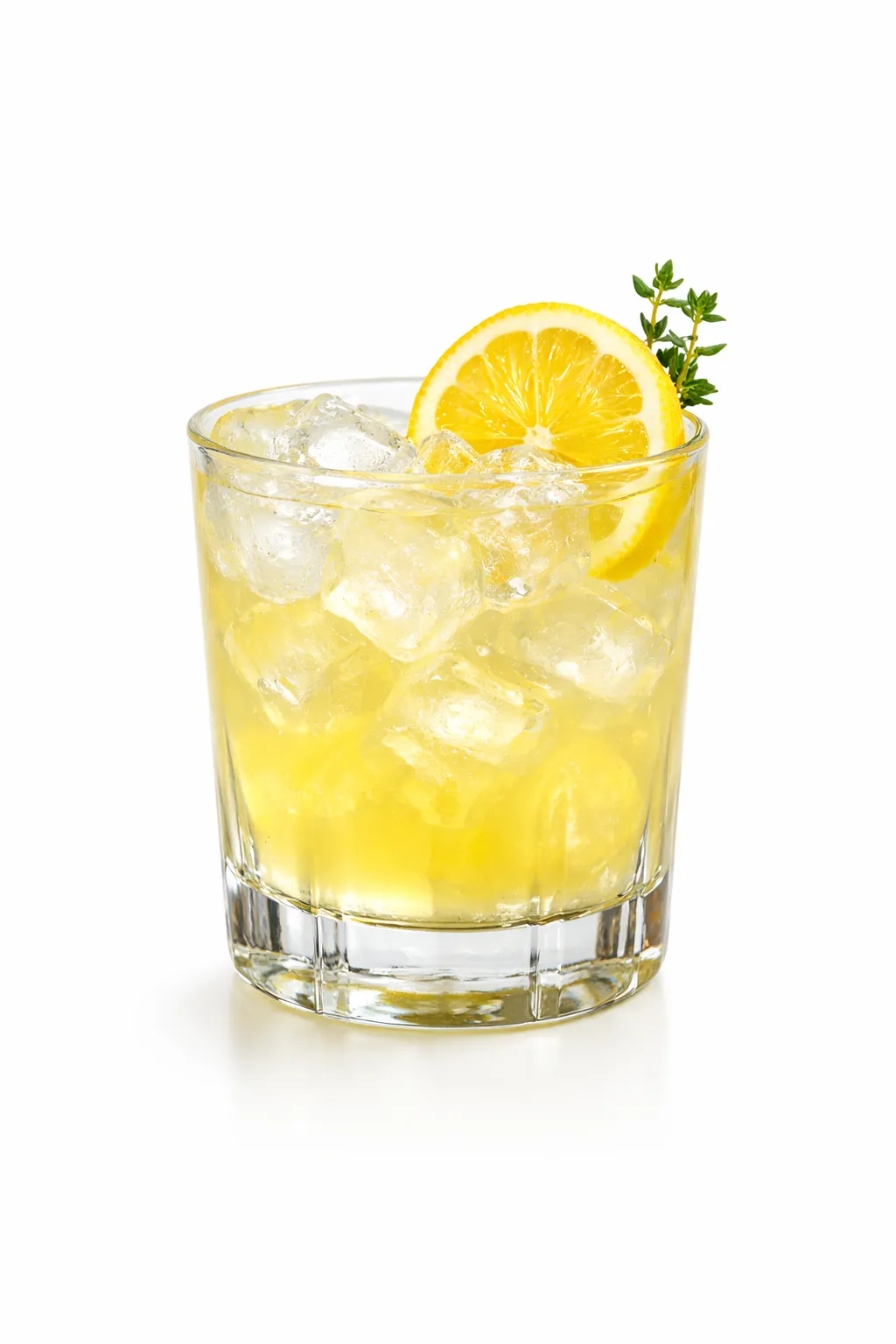
No — if anything, serving Ginocello over ice reduces any perception of bitterness further.
Chilling:
-
Softens botanical edges
-
Enhances citrus freshness
-
Reduces perceived sharpness
Ice reveals balance rather than intensity. This is why Ginocello is best enjoyed tableside over ice, where its clarity and composure are most evident.
Bitterness vs Freshness: A Common Misunderstanding
Fresh citrus can sometimes be misinterpreted as bitter, especially by those accustomed to very sweet spirits.
In Ginocello:
-
Citrus freshness leads
-
Sweetness follows gently
-
The finish resolves cleanly
What some might initially perceive as bitterness is actually dry freshness — a hallmark of well-balanced, premium spirits.
How Ginocello Finishes on the Palate
The finish is where bitterness — if present — would linger.
Ginocello’s finish is:
-
Clean
-
Warming
-
Citrus-led
-
Non-astringent
There is no sharp snap, no lingering edge, and no palate fatigue.
This is precisely why Ginocello works so well as a digestif.
Is Ginocello Bitter Compared to Limoncello?
Compared to traditional limoncello:
-
Ginocello is less sweet
-
More structured
-
More refined
But it is not more bitter.
Limoncello often avoids bitterness by overwhelming sweetness. Ginocello avoids bitterness by precision and balance.
Who Will Enjoy Ginocello’s Profile?
Ginocello appeals to:
-
Those who enjoy citrus flavour without sugar overload
-
Gin drinkers seeking a refined finish
-
Digestif drinkers who prefer balance over intensity
It is especially well suited to those who dislike bitter spirits but appreciate dry elegance.
Is Ginocello Bitter? At a Glance
-
Overall bitterness: No
-
Citrus character: Bright, not sharp
-
Botanical profile: Dry-edged, not bitter
-
Sweetness: Gentle and supporting
-
Finish: Clean, composed, refreshing
A Refined Citrus Finish, Not a Bitter One
Ginocello is crafted to finish beautifully.
Rather than leaving a bitter edge, Ginocello — the premium gin-based citrus digestif — delivers a fresh, elegant citrus close that feels complete and satisfying.
No harshness.
No sharp bitterness.
Just balance, clarity, and a refined finish.
The Finish
Ginocello exists for the finish — the moment when the meal settles, conversation slows, and the table becomes the centre again.
A citrus ritual.
A composed balance.
A clean close.
Ginocello — the premium gin-based citrus digestif.